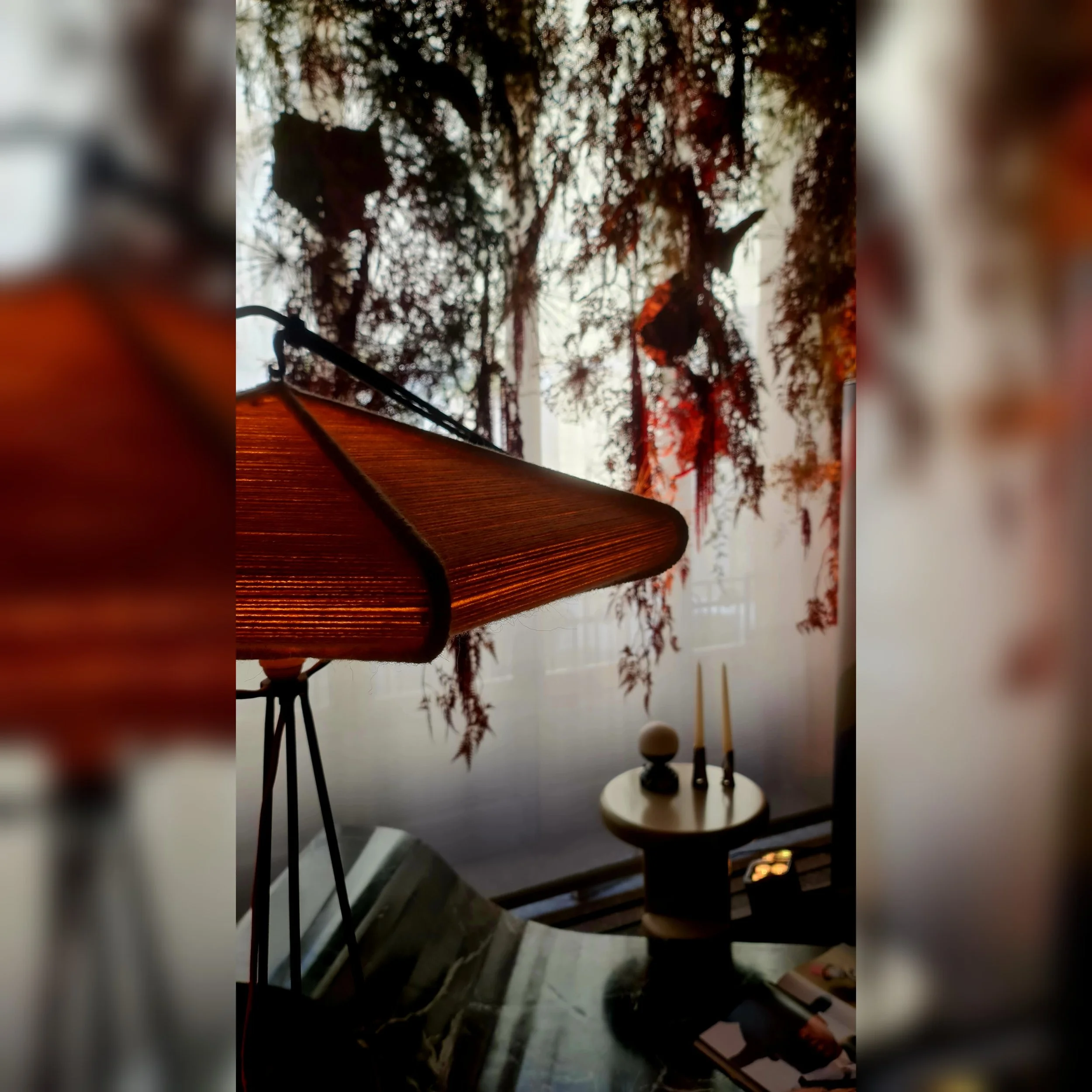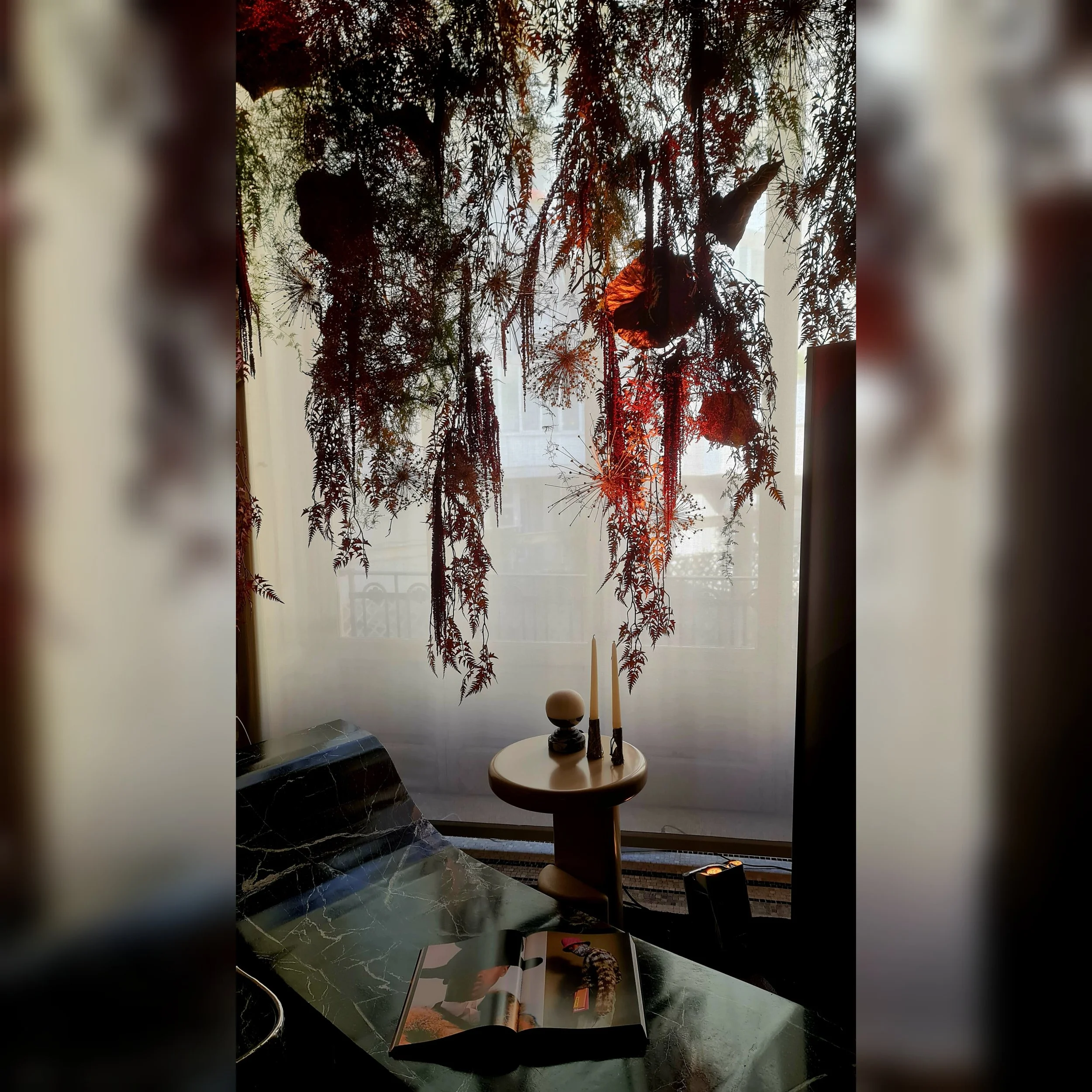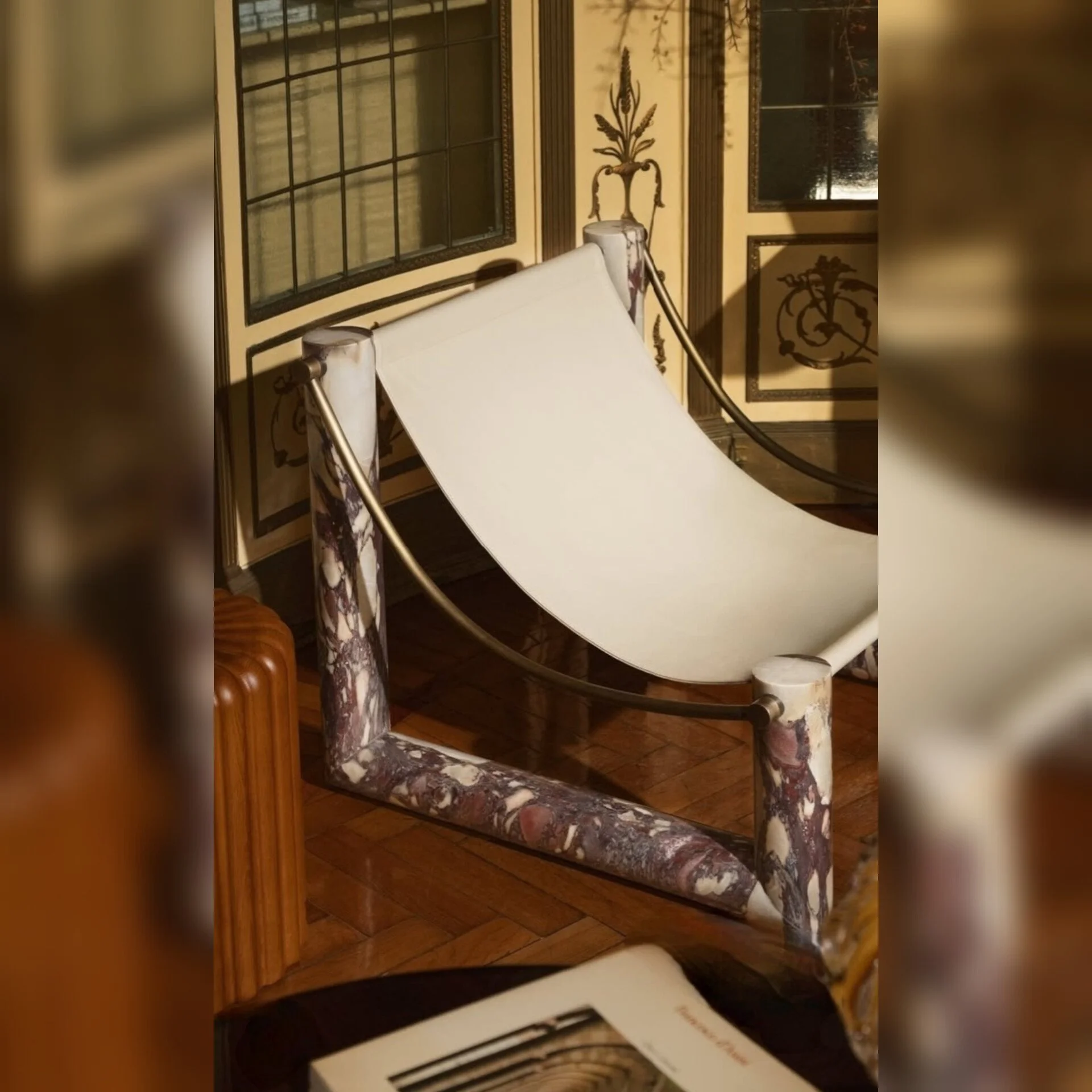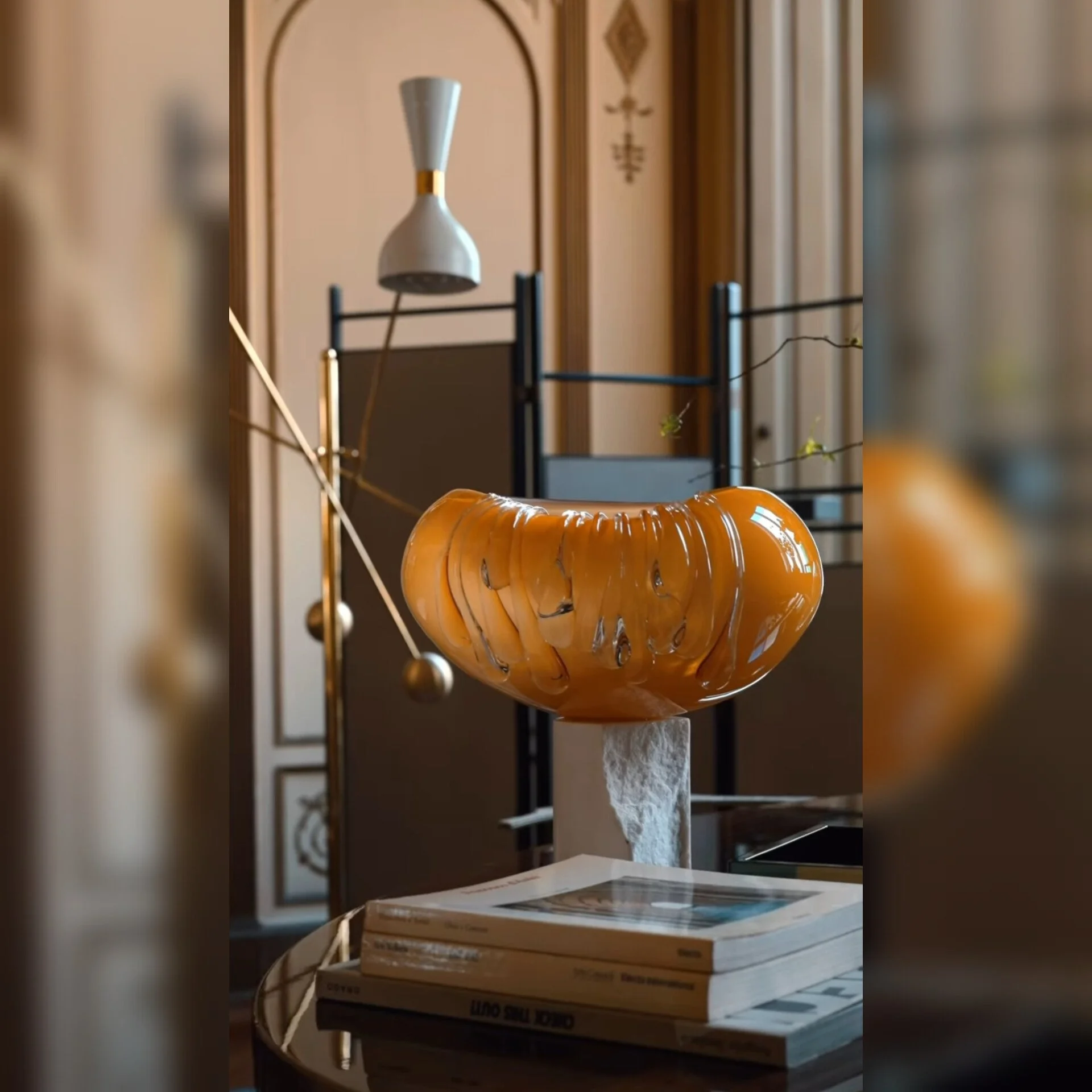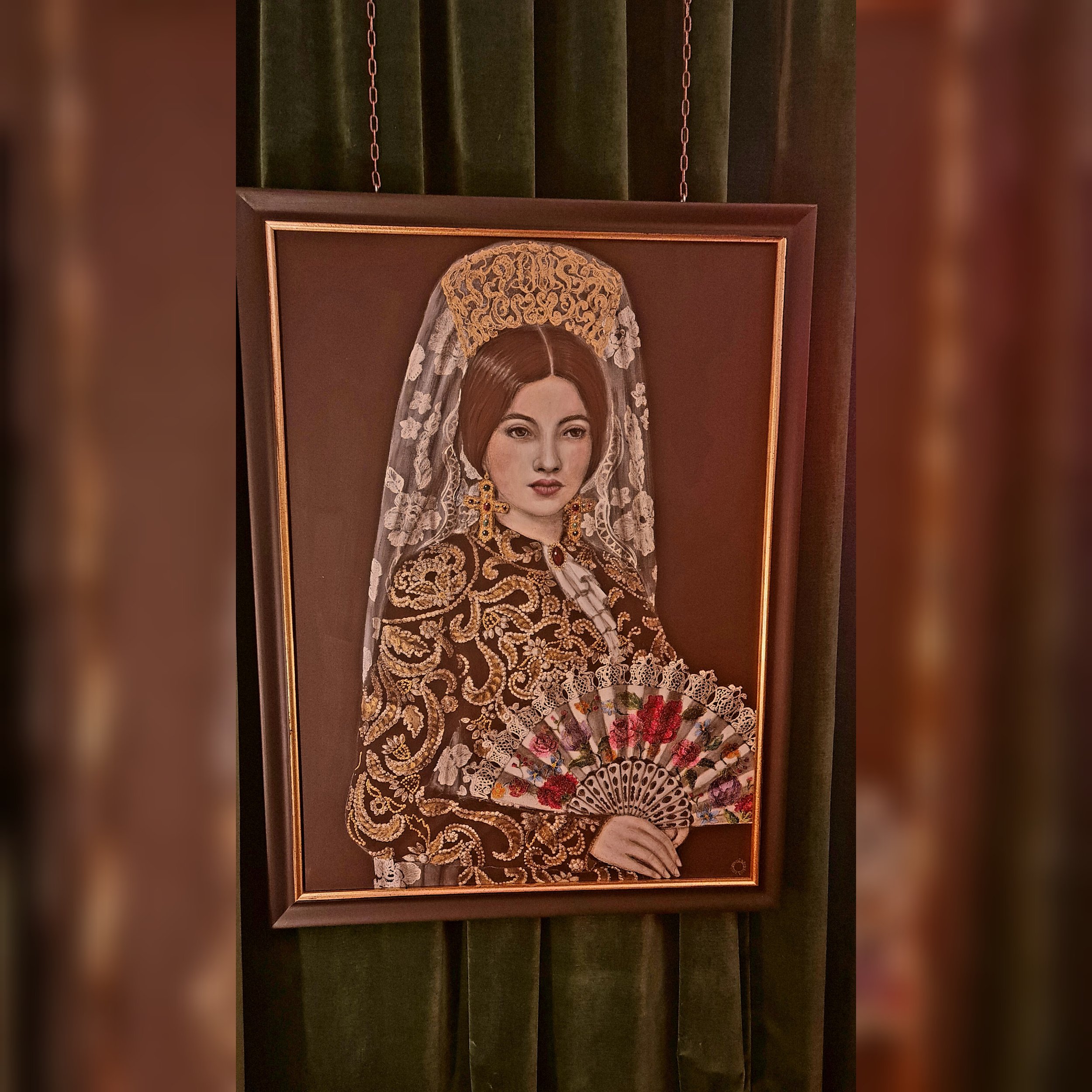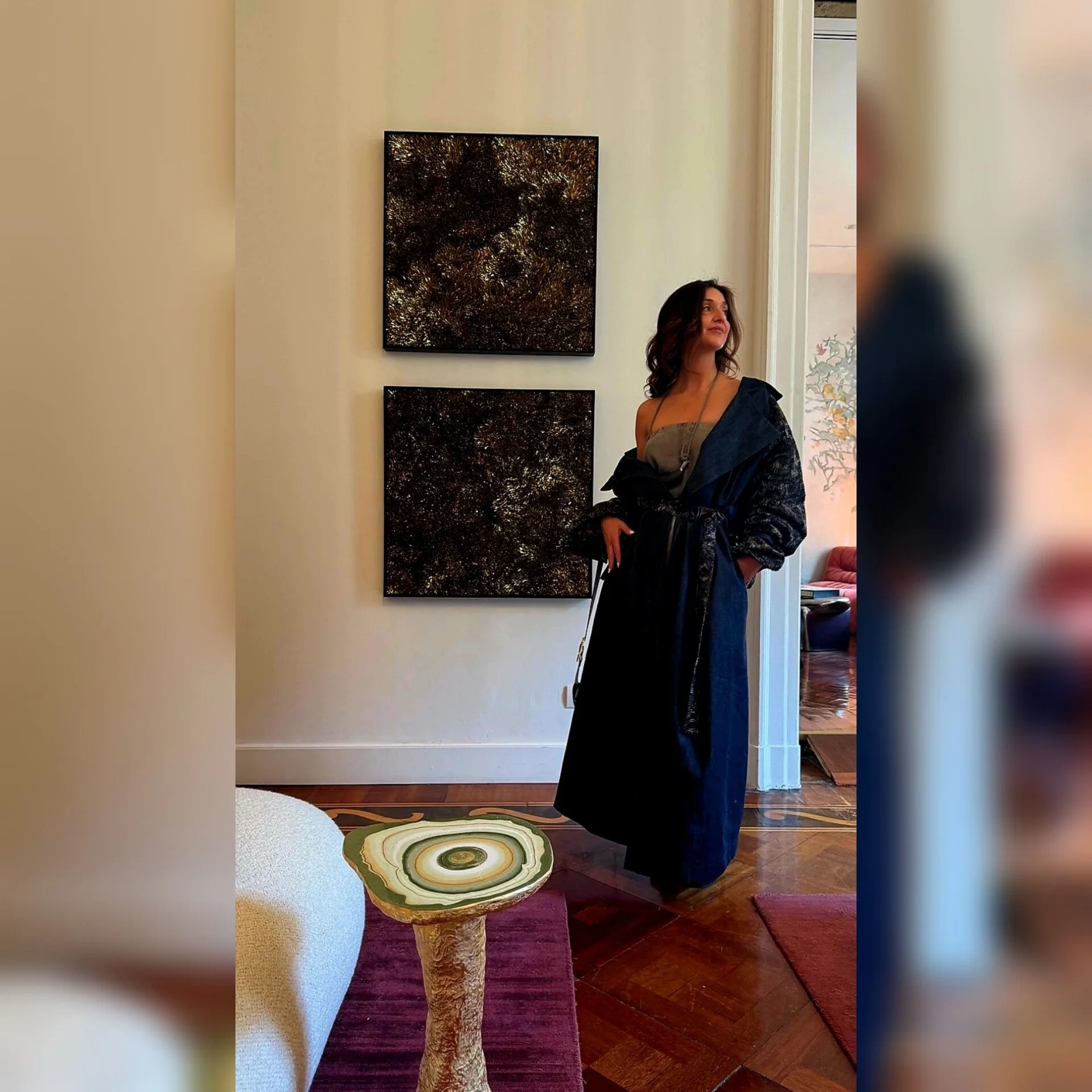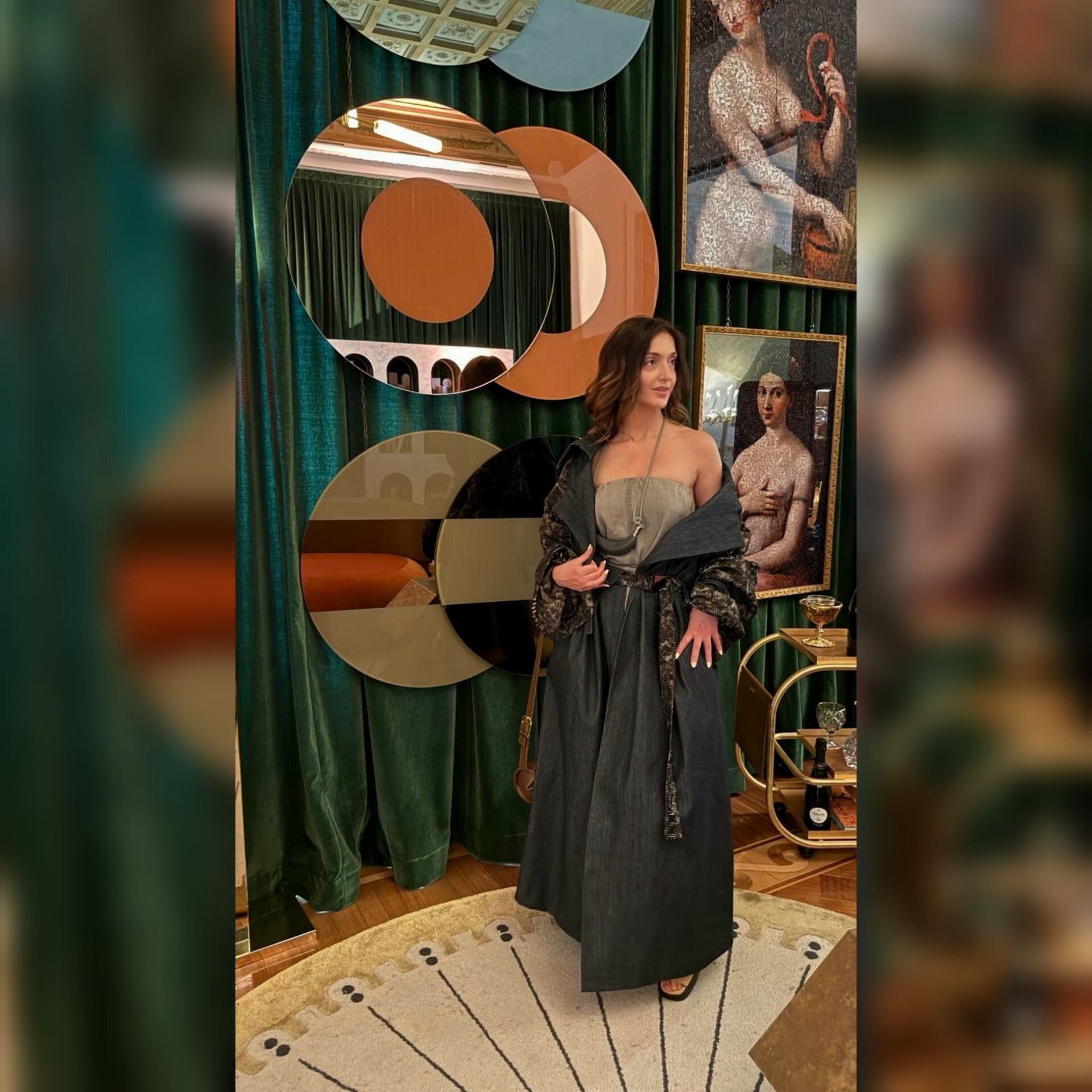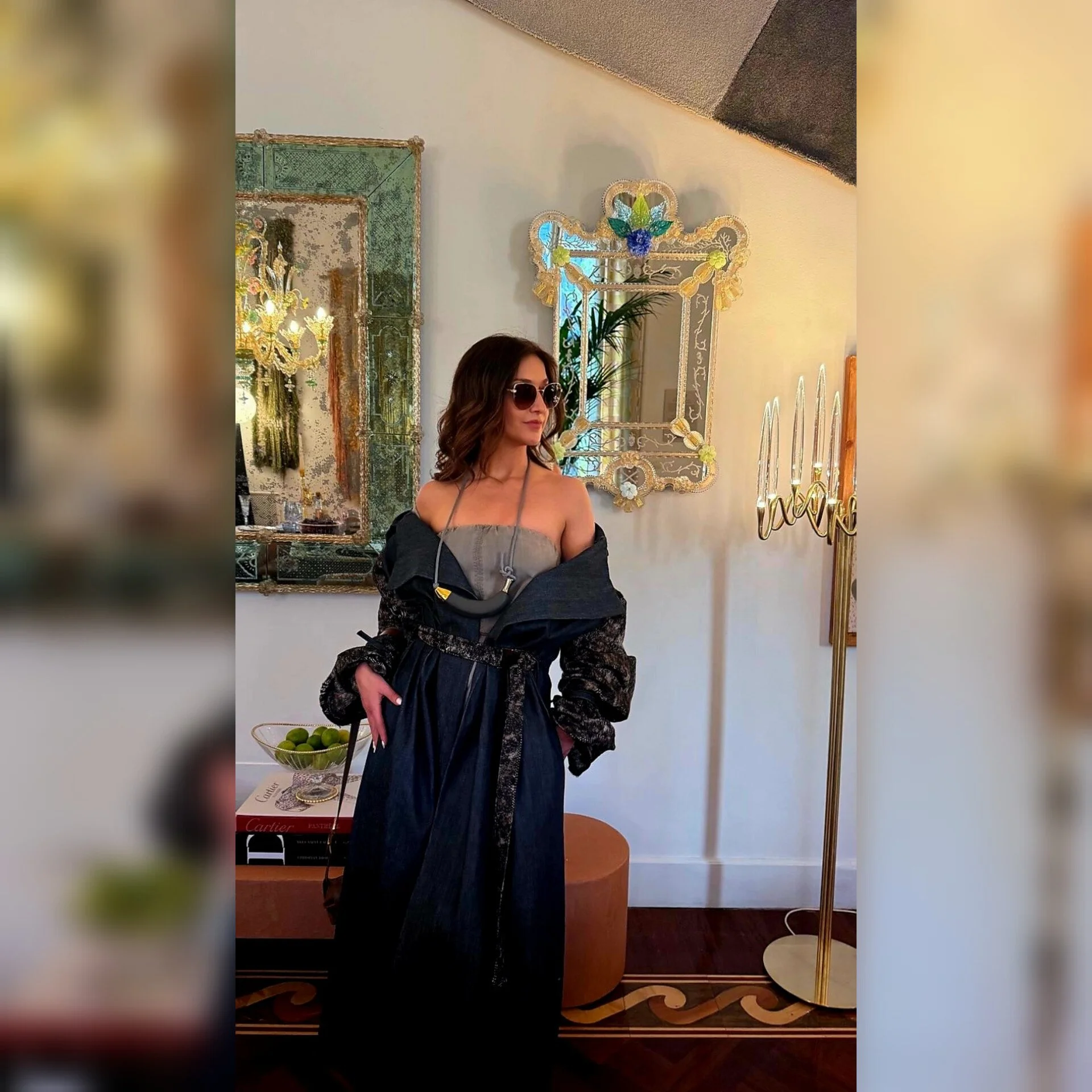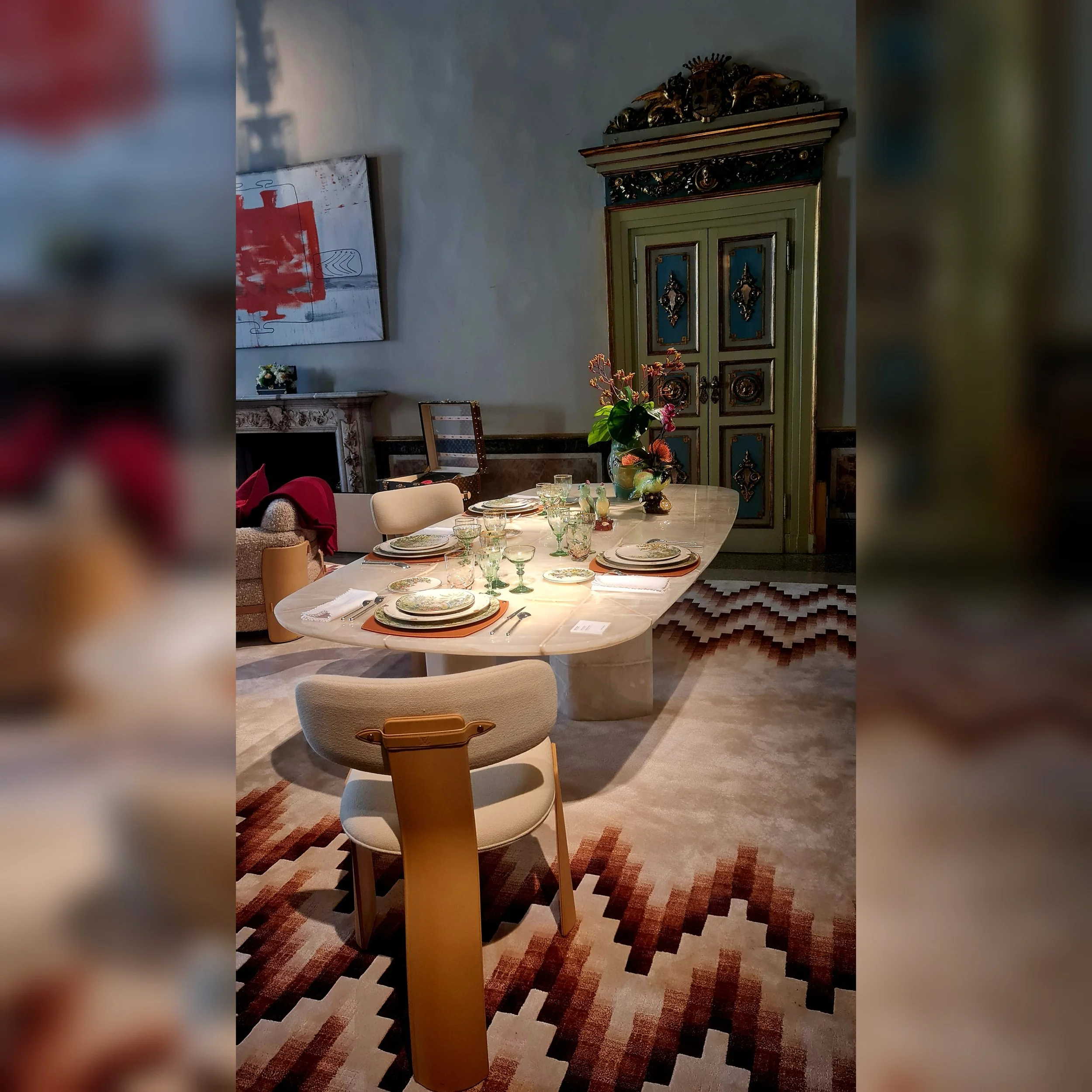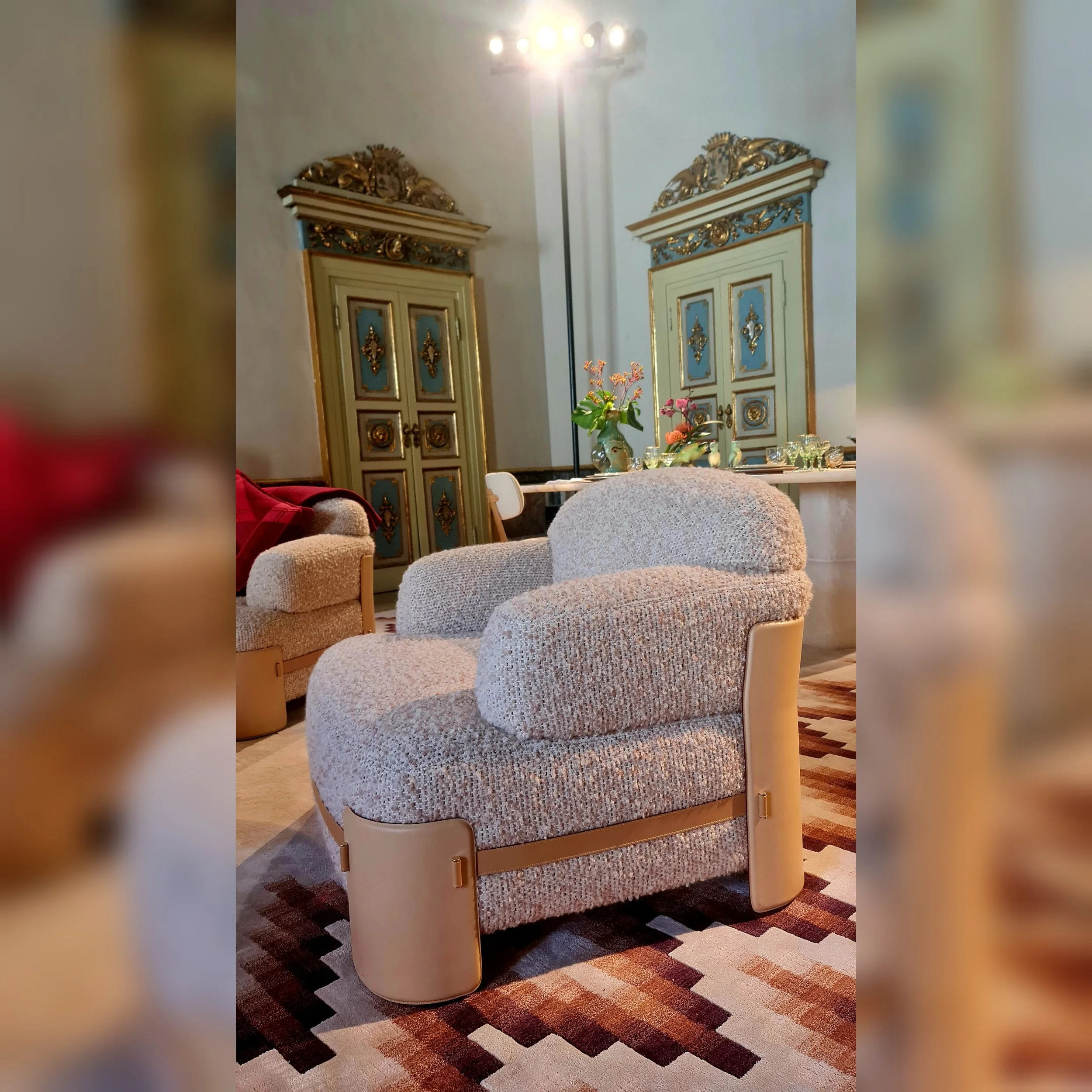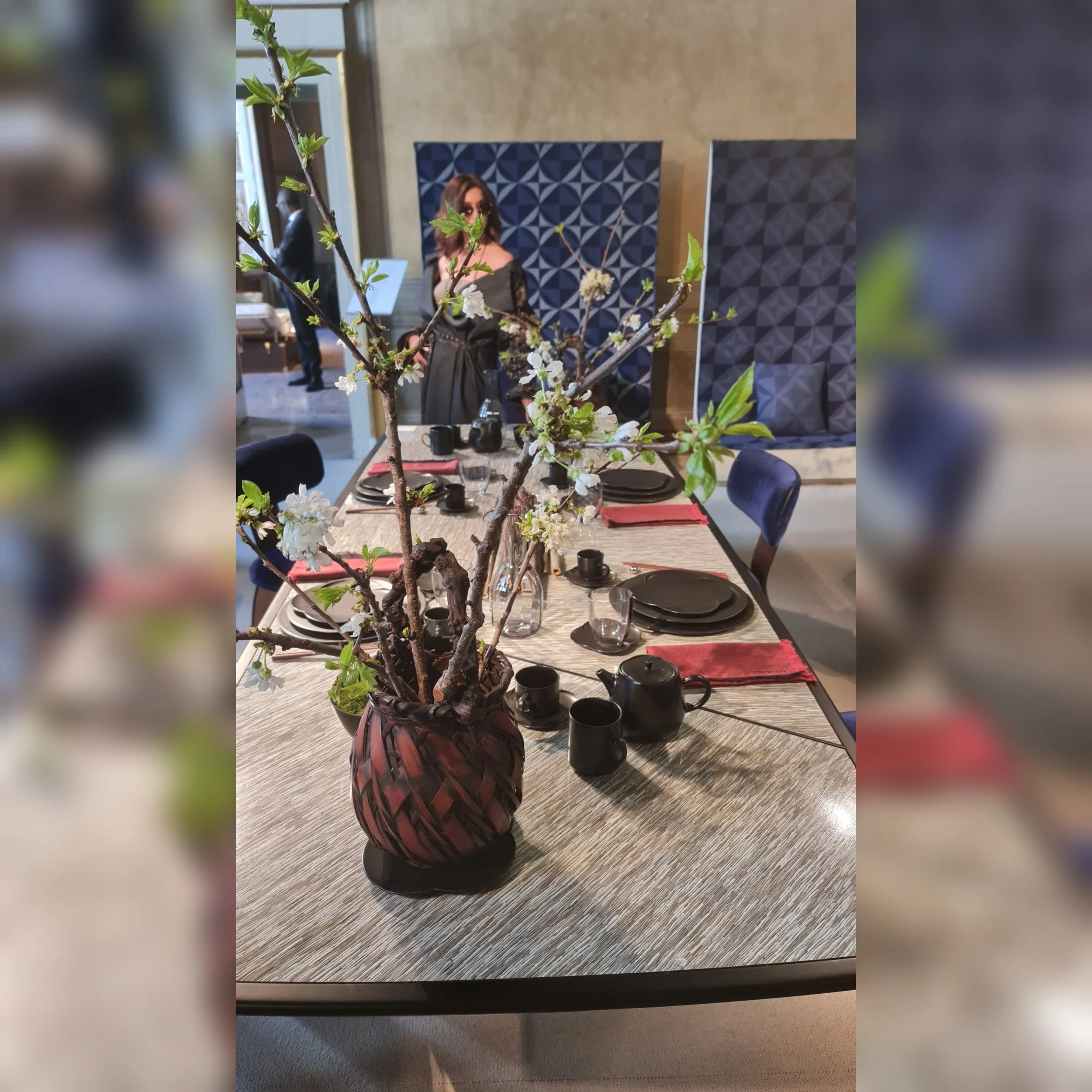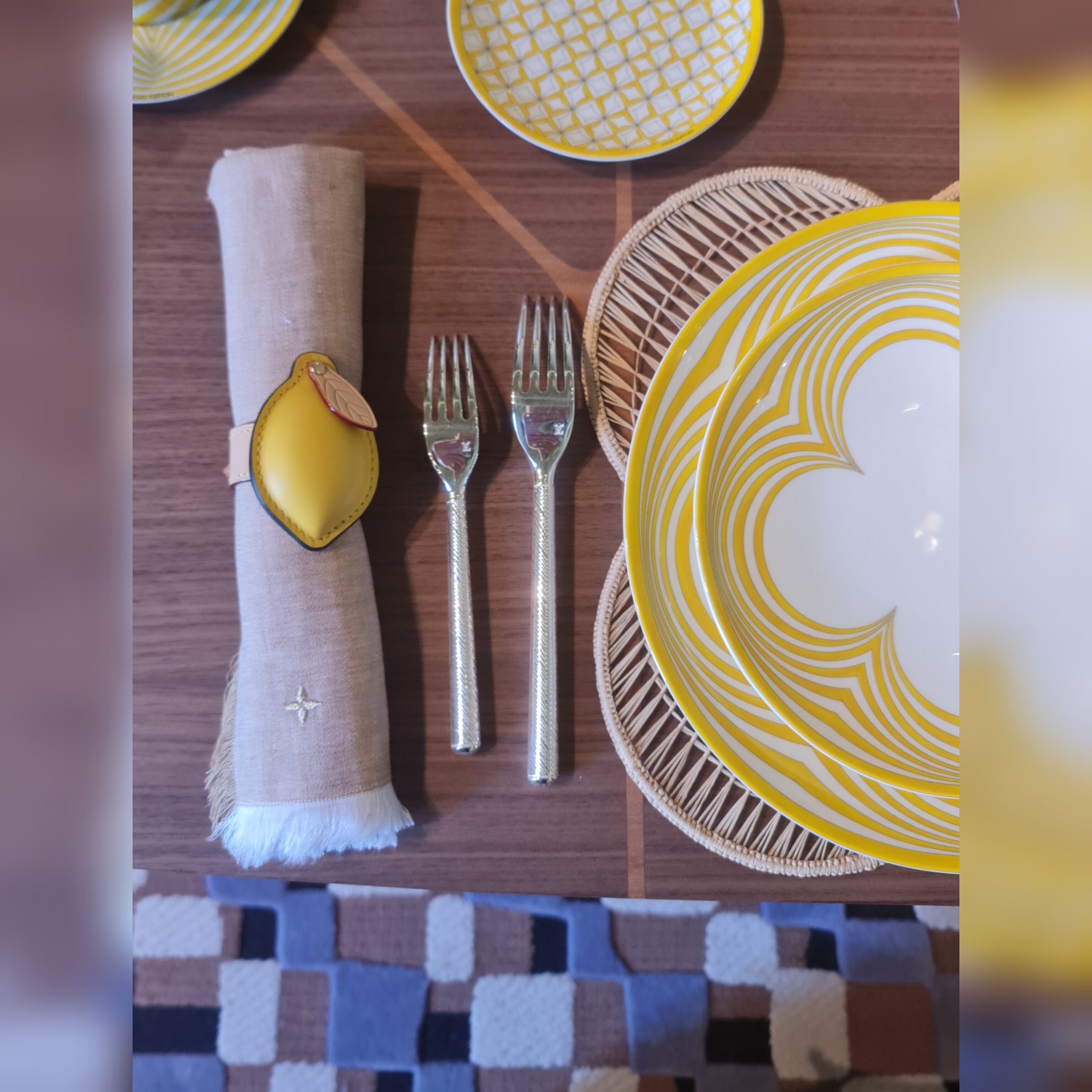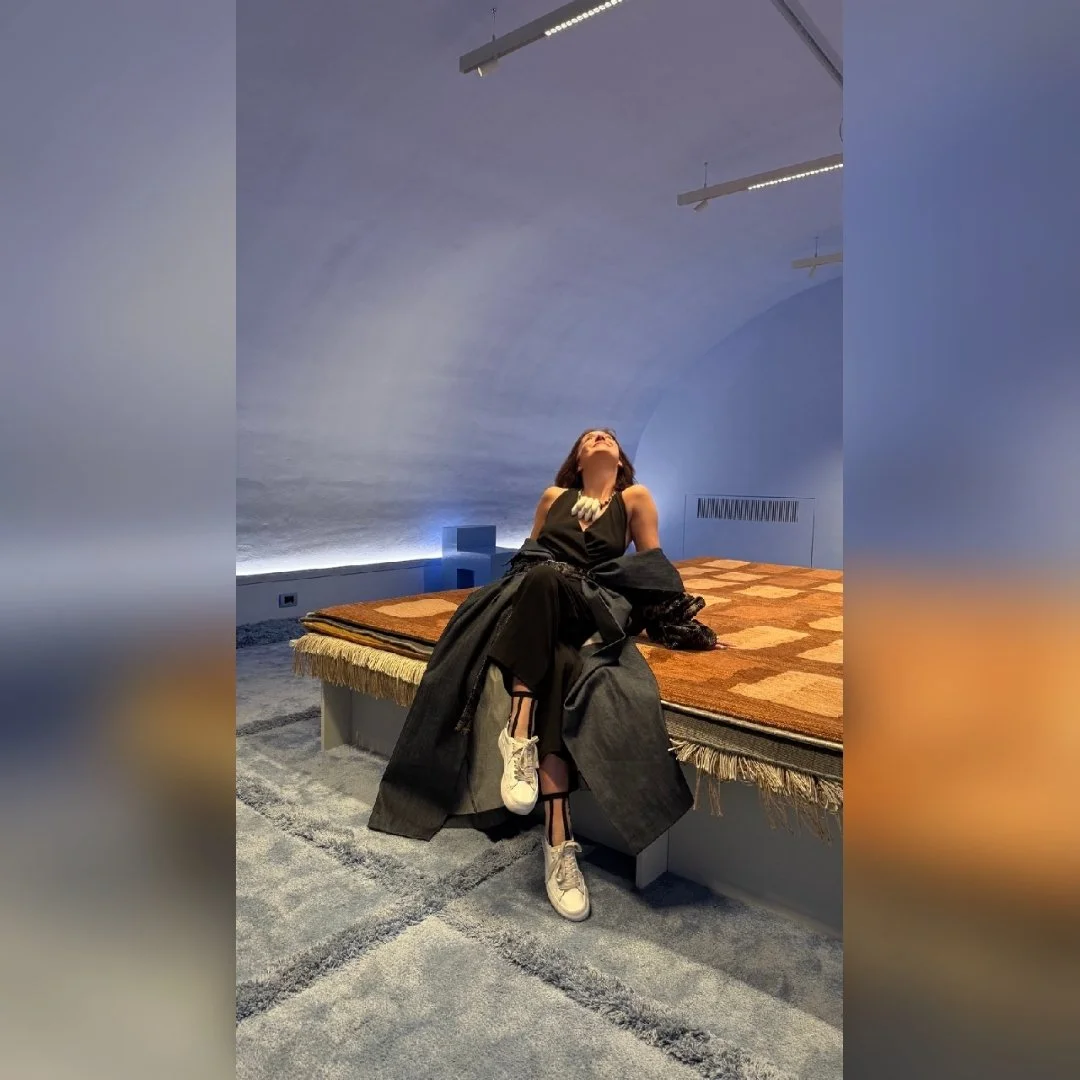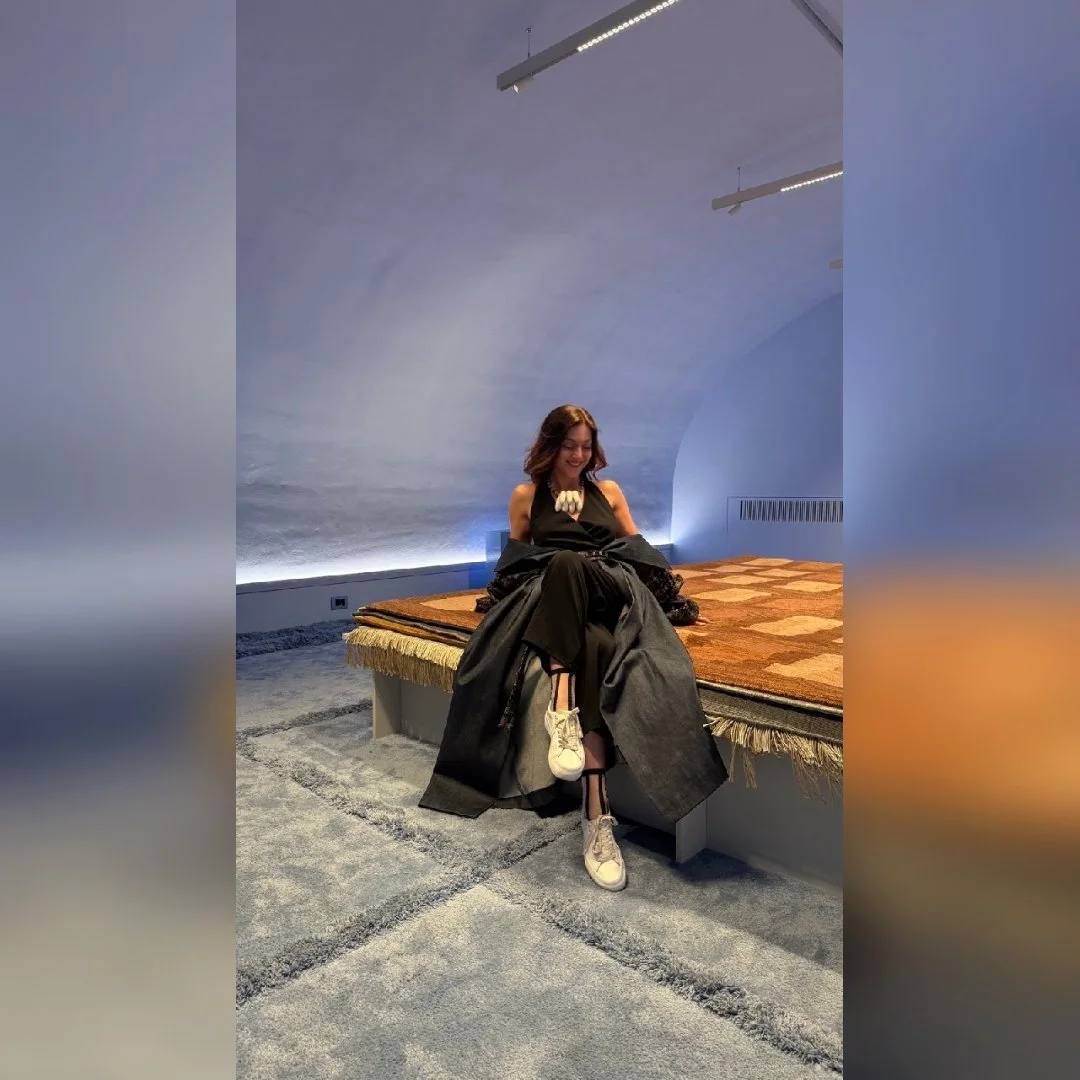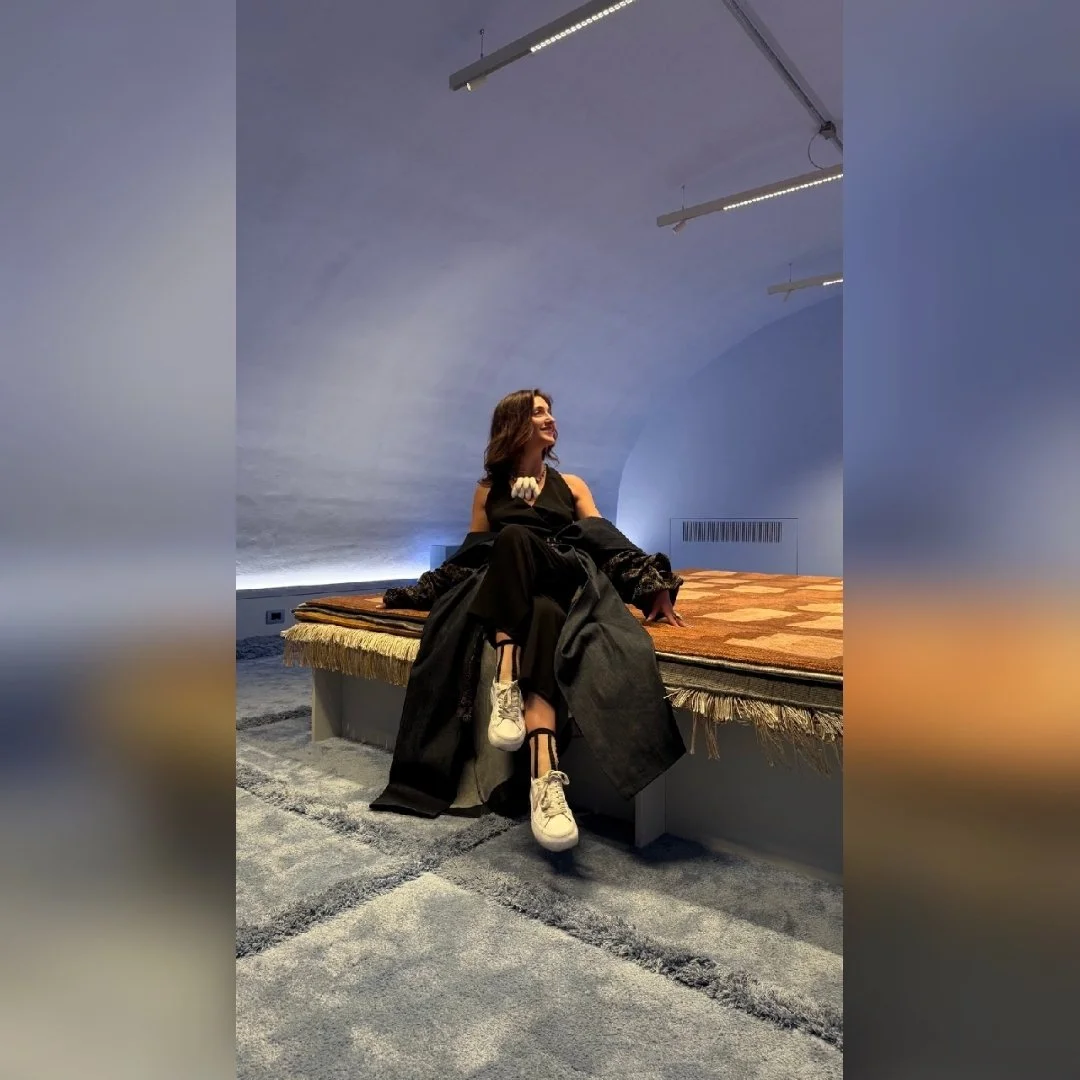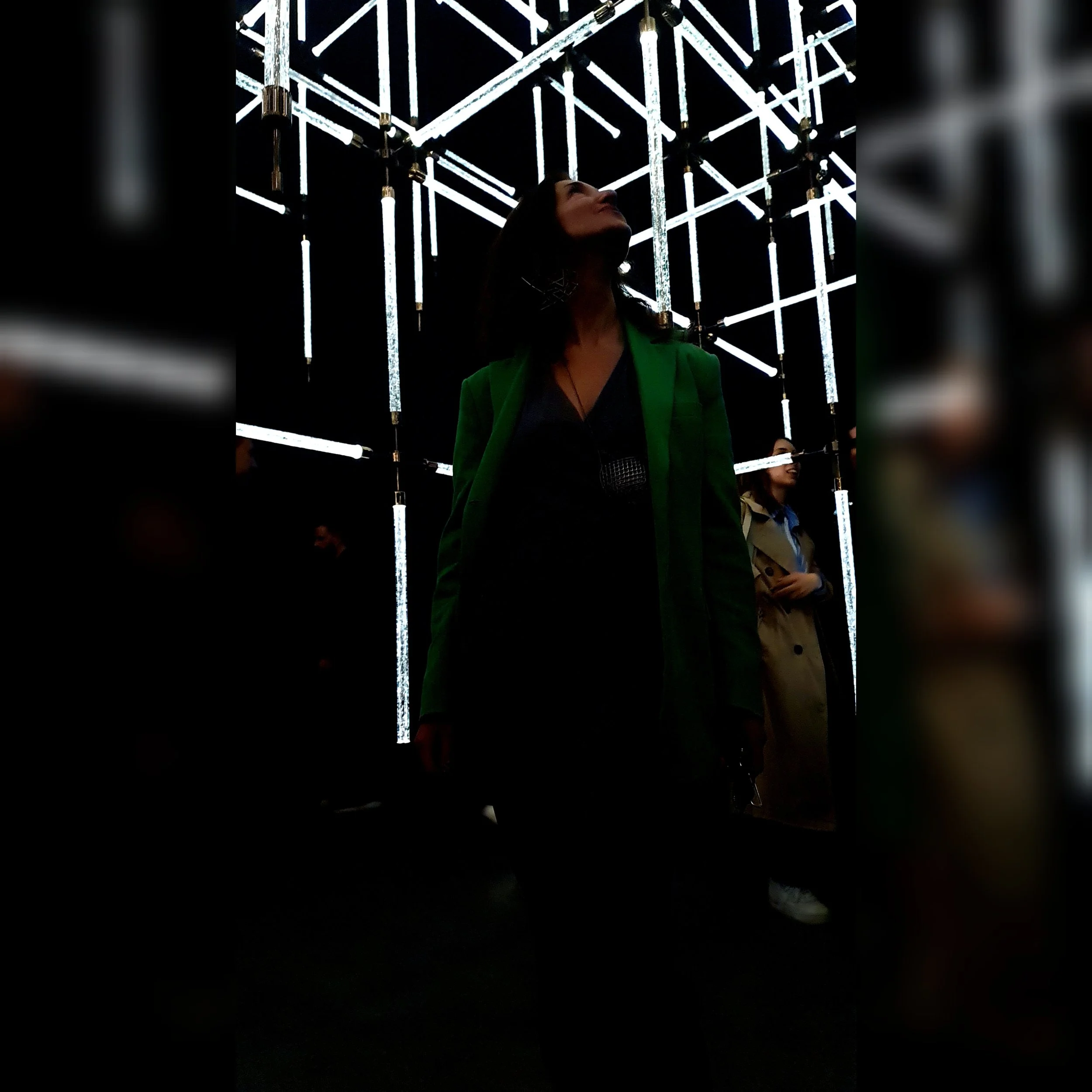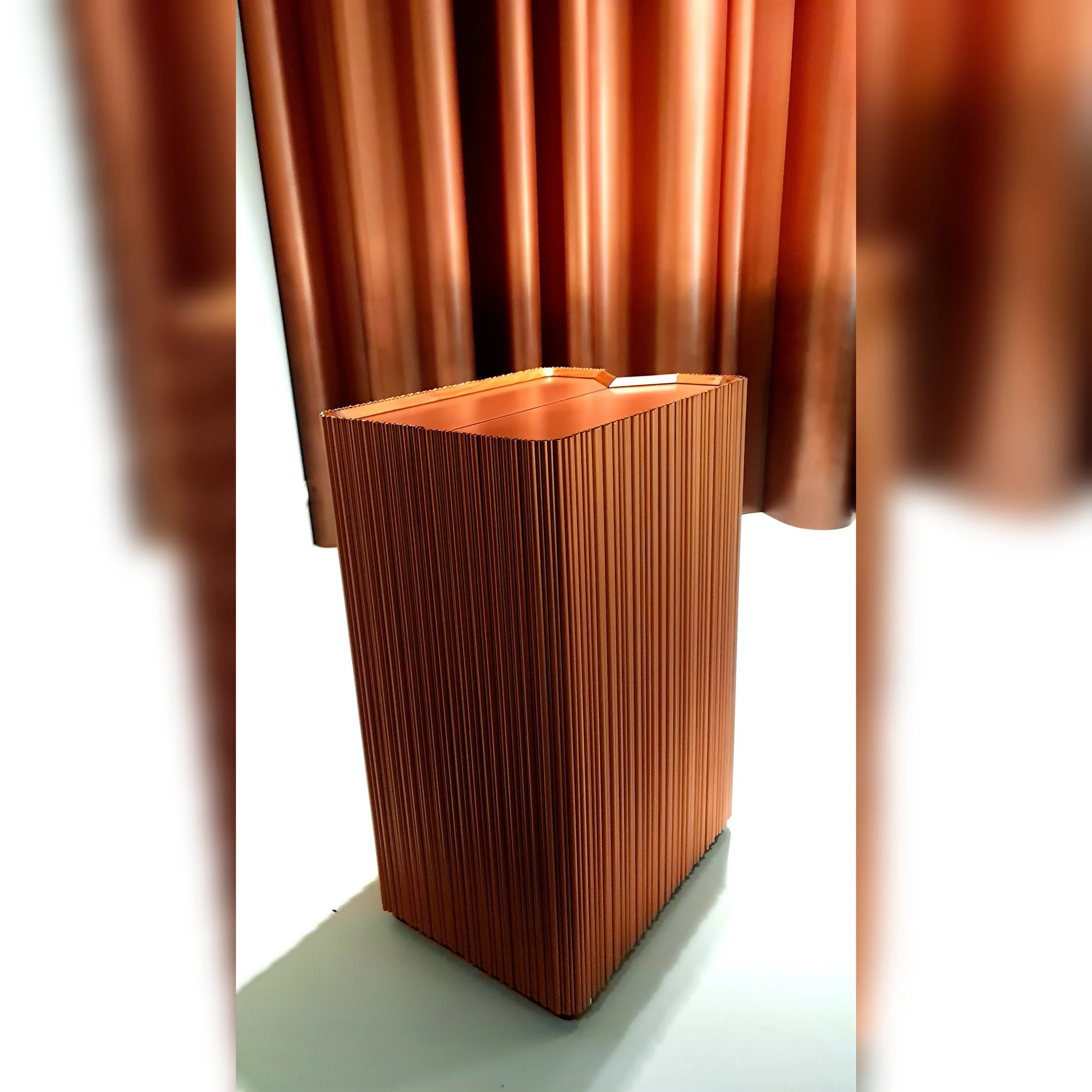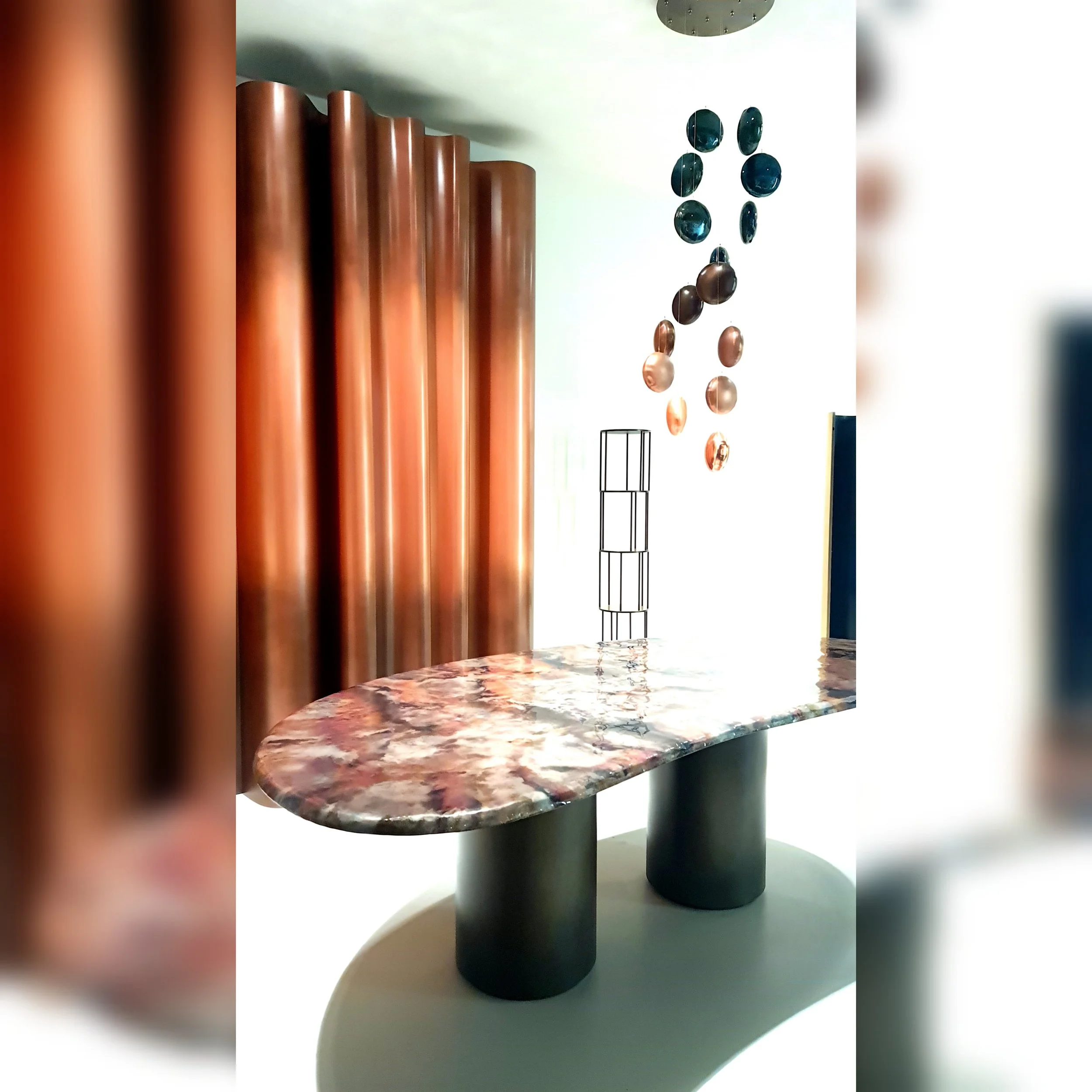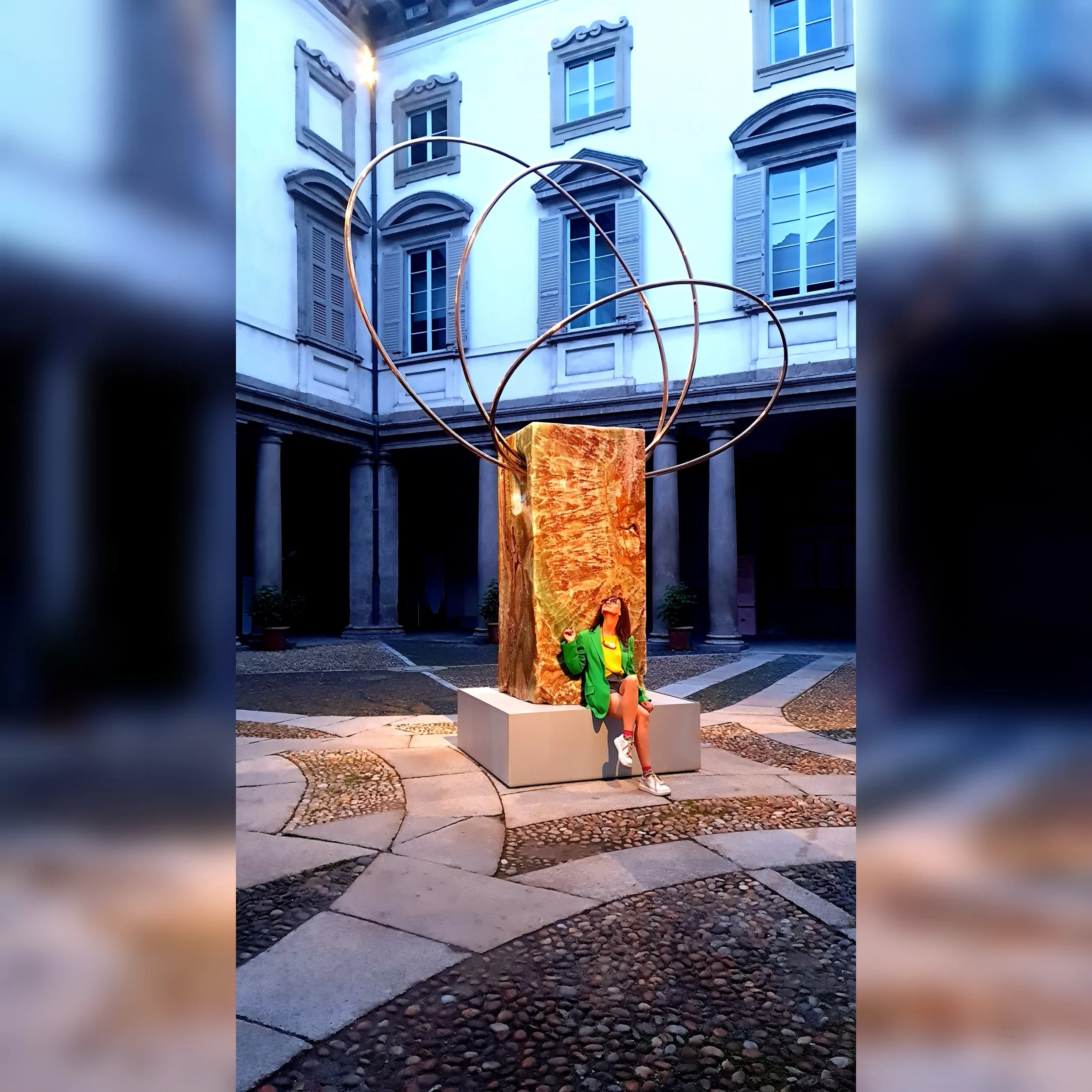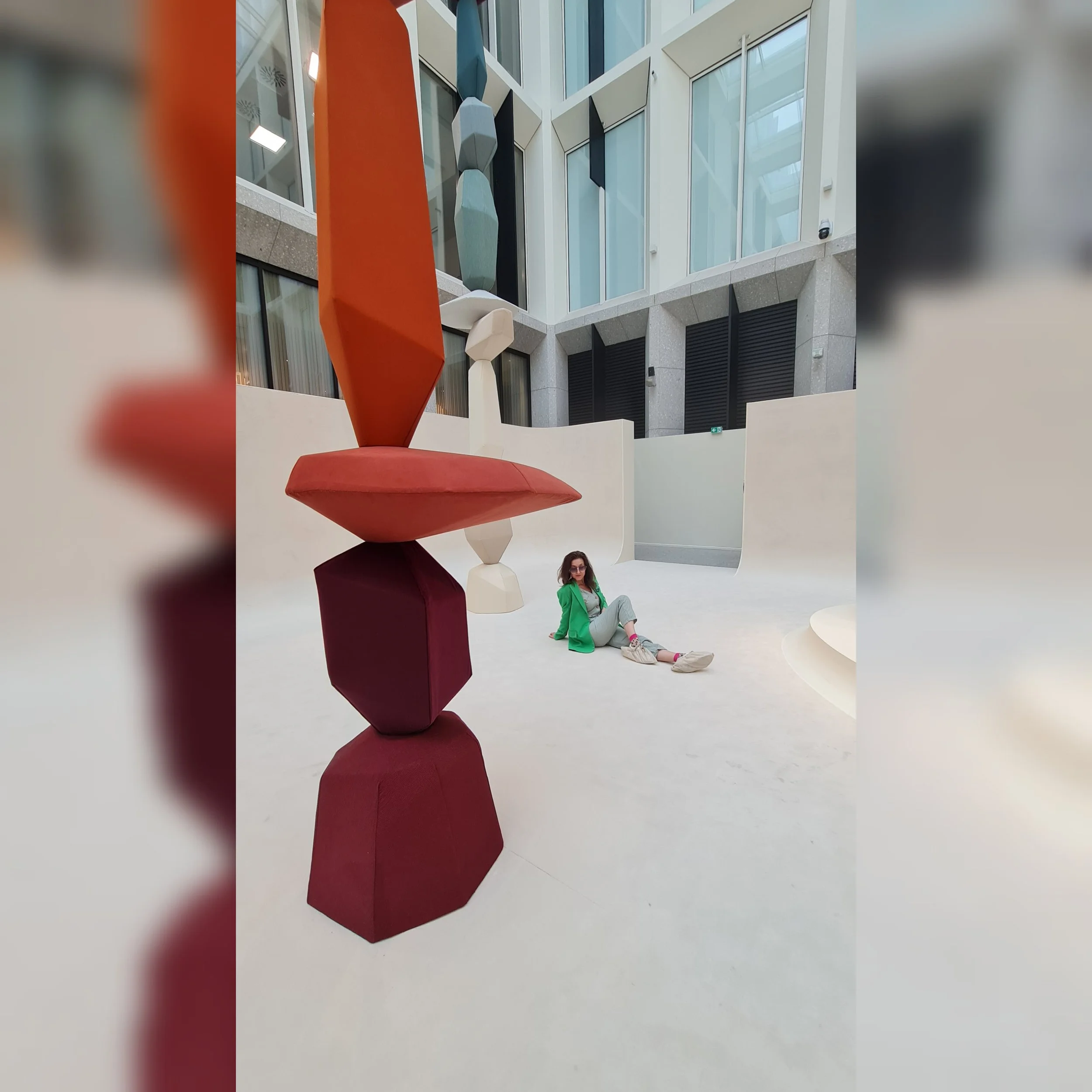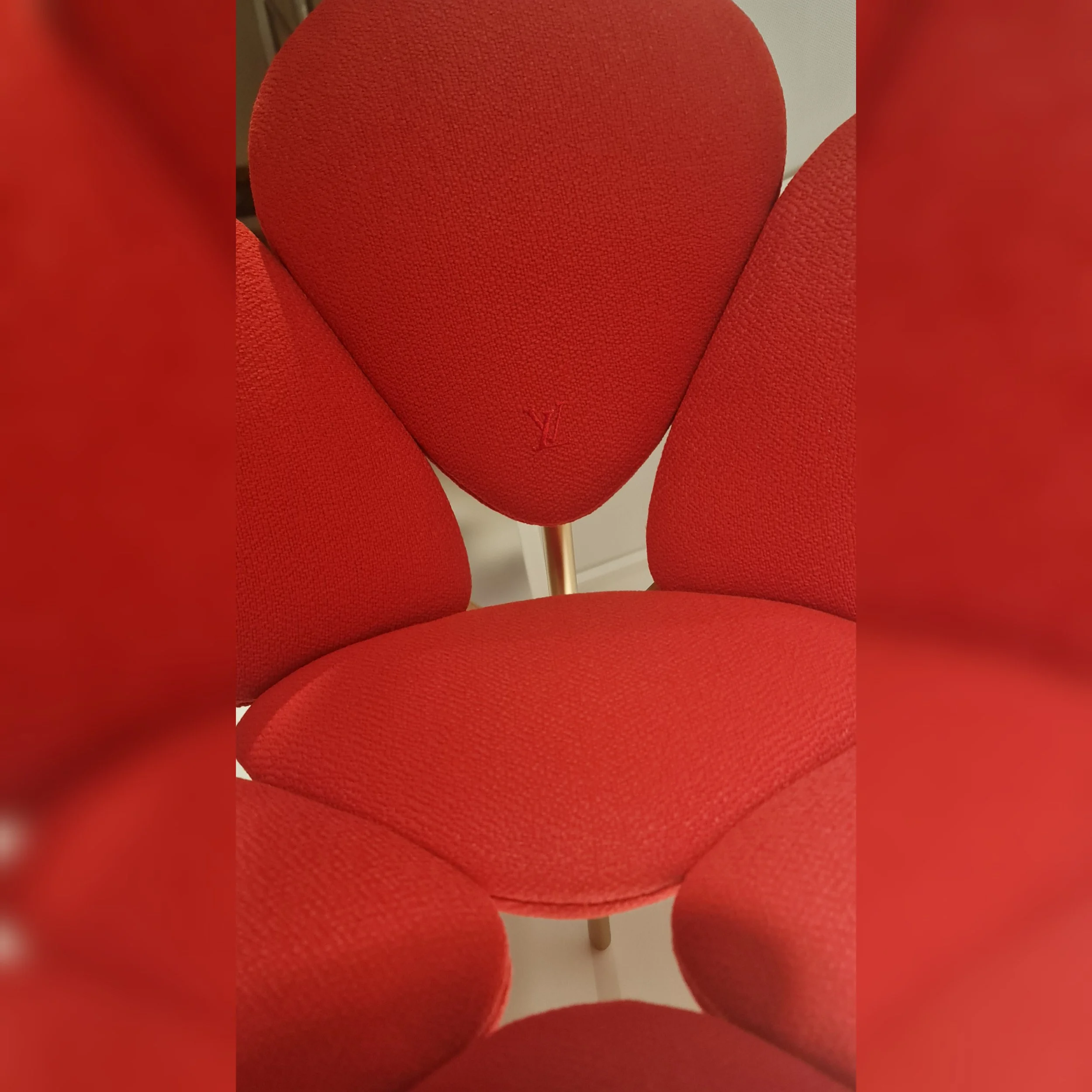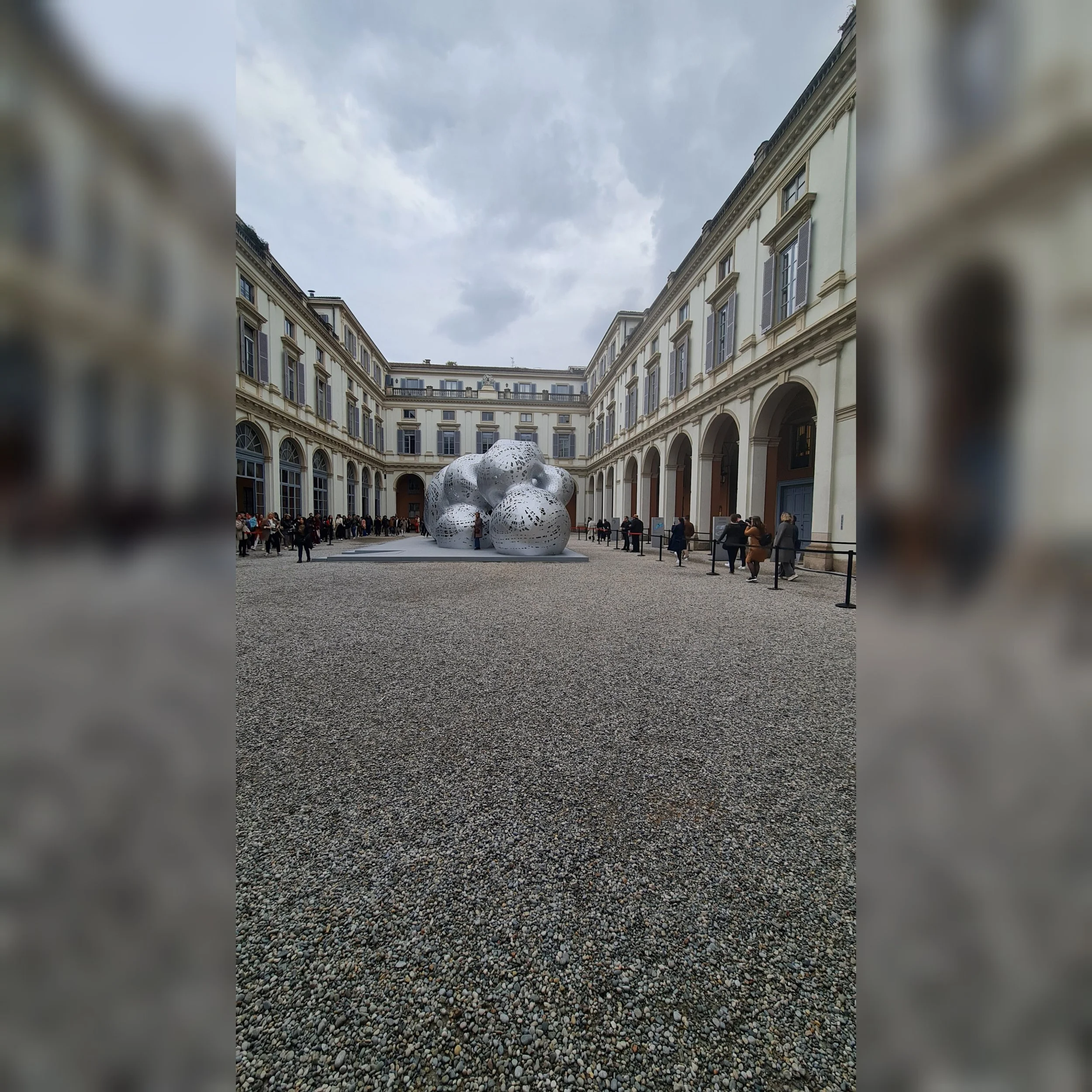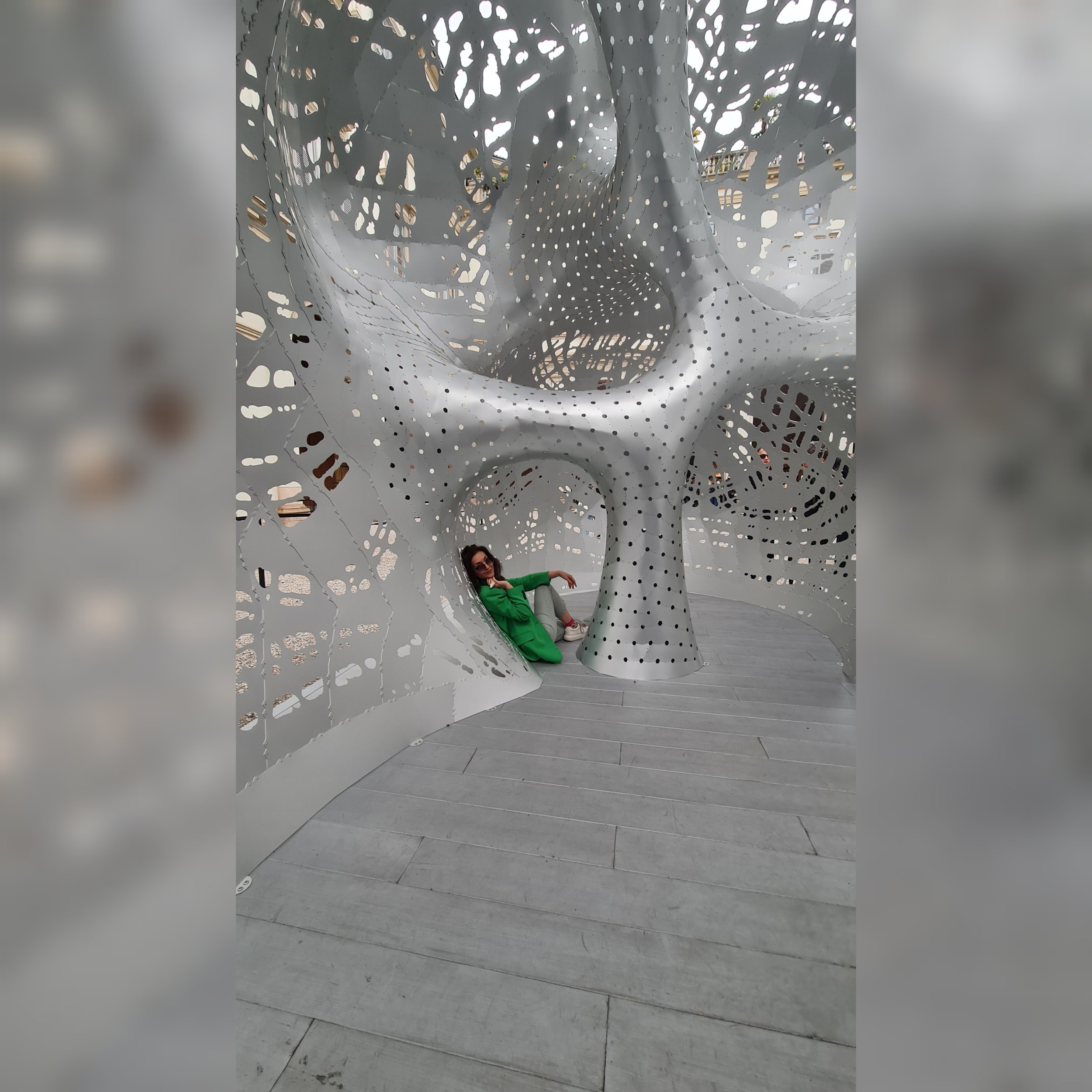
MILAN DESIGN WEEK 2025 - l'APPARTAMENTO by Artemest
Apr
8
to Apr 13

MILAN DESIGN WEEK 2025 - l'APPARTAMENTO by Artemest
  • L’Appartamento by Artemest (map)
  • Google Calendar ICS

📍 Palazzo Donizetti, Via Gaetano Donizetti 48, Milan

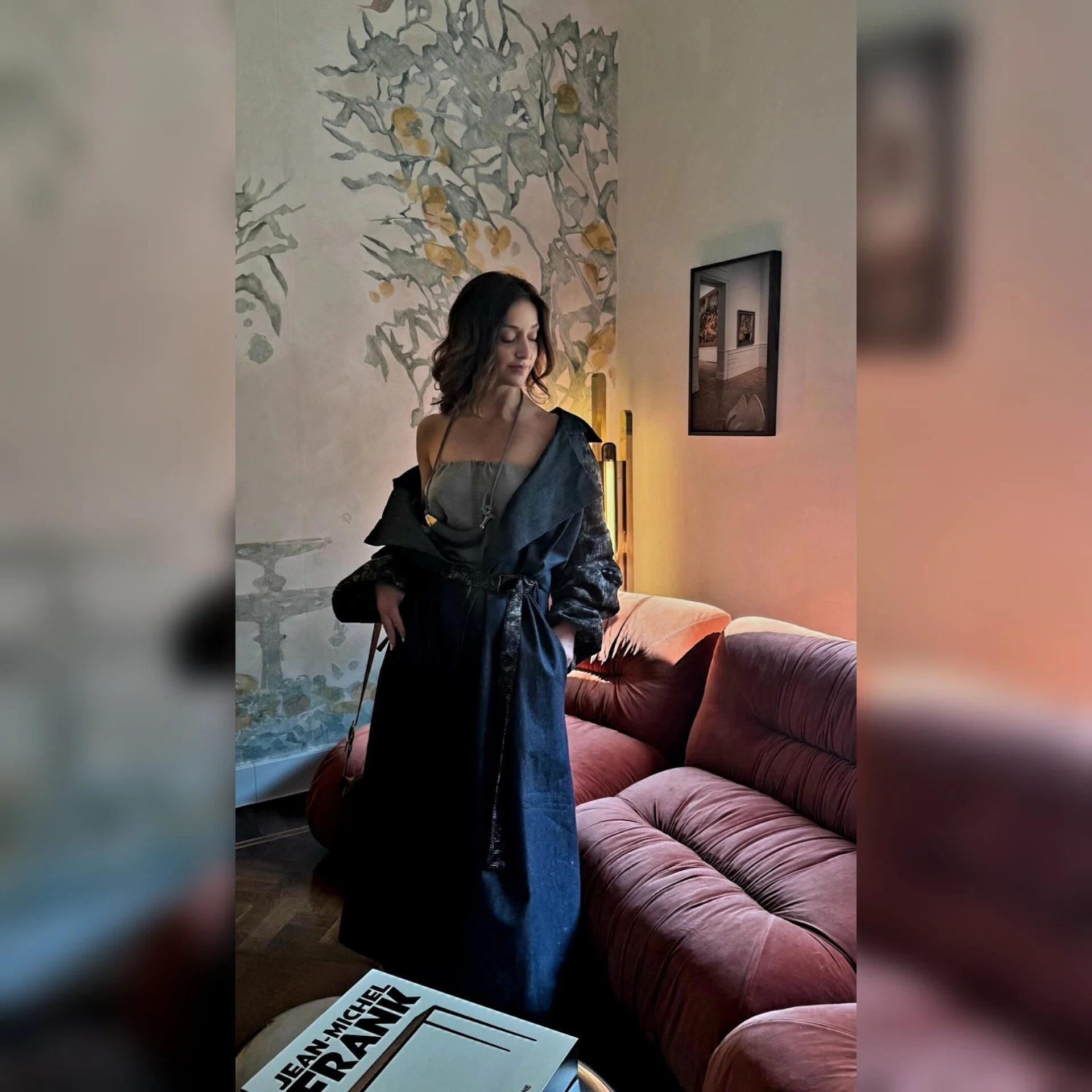
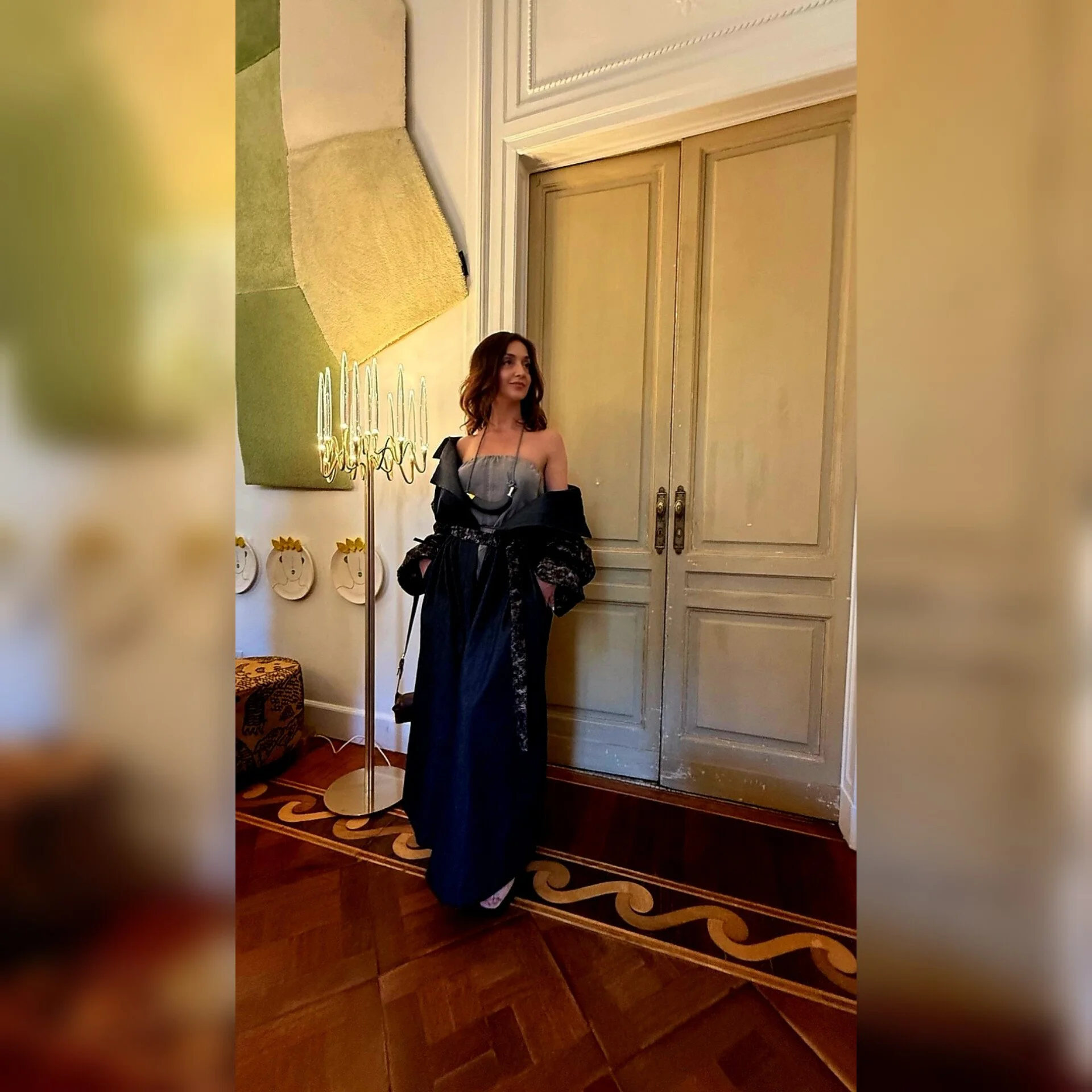
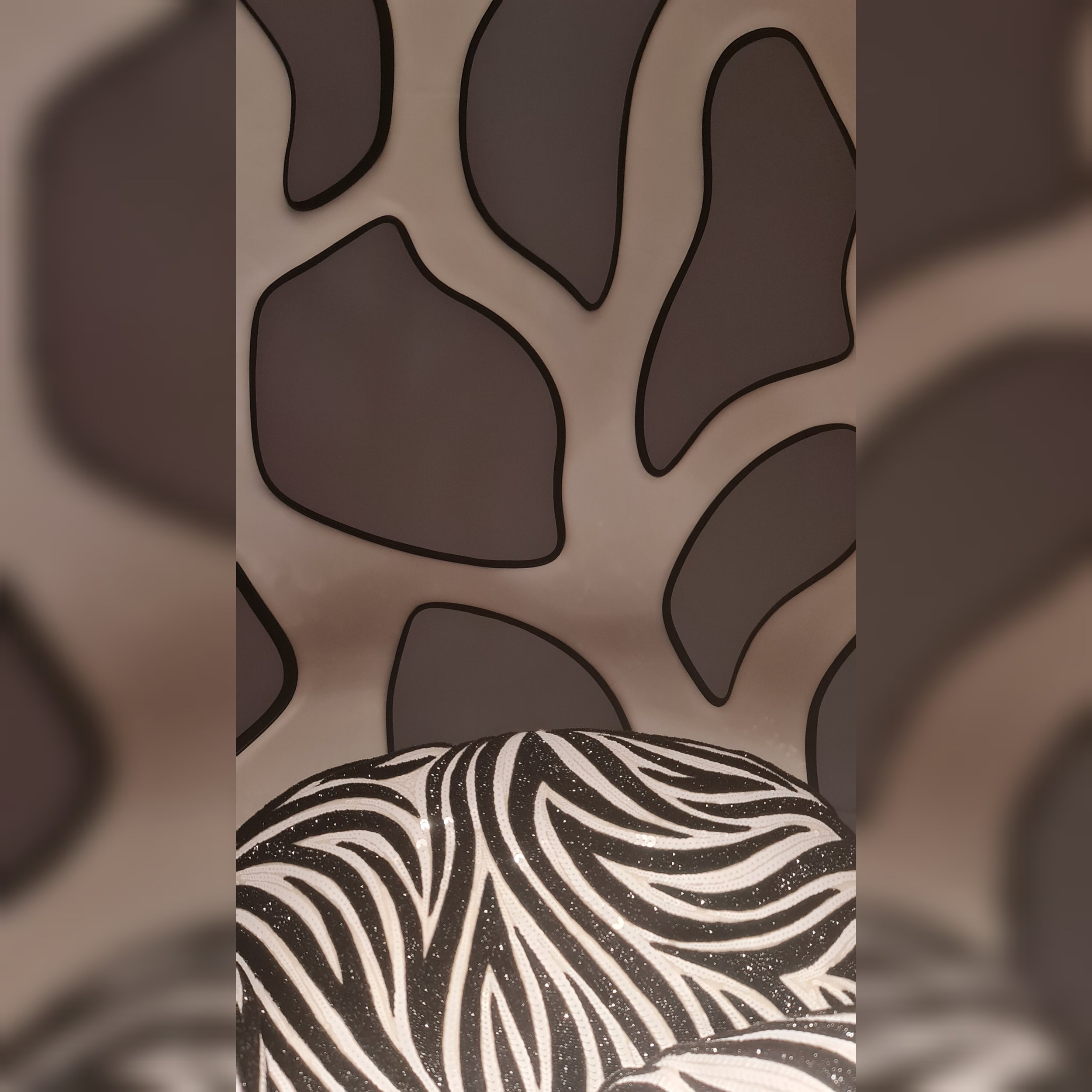
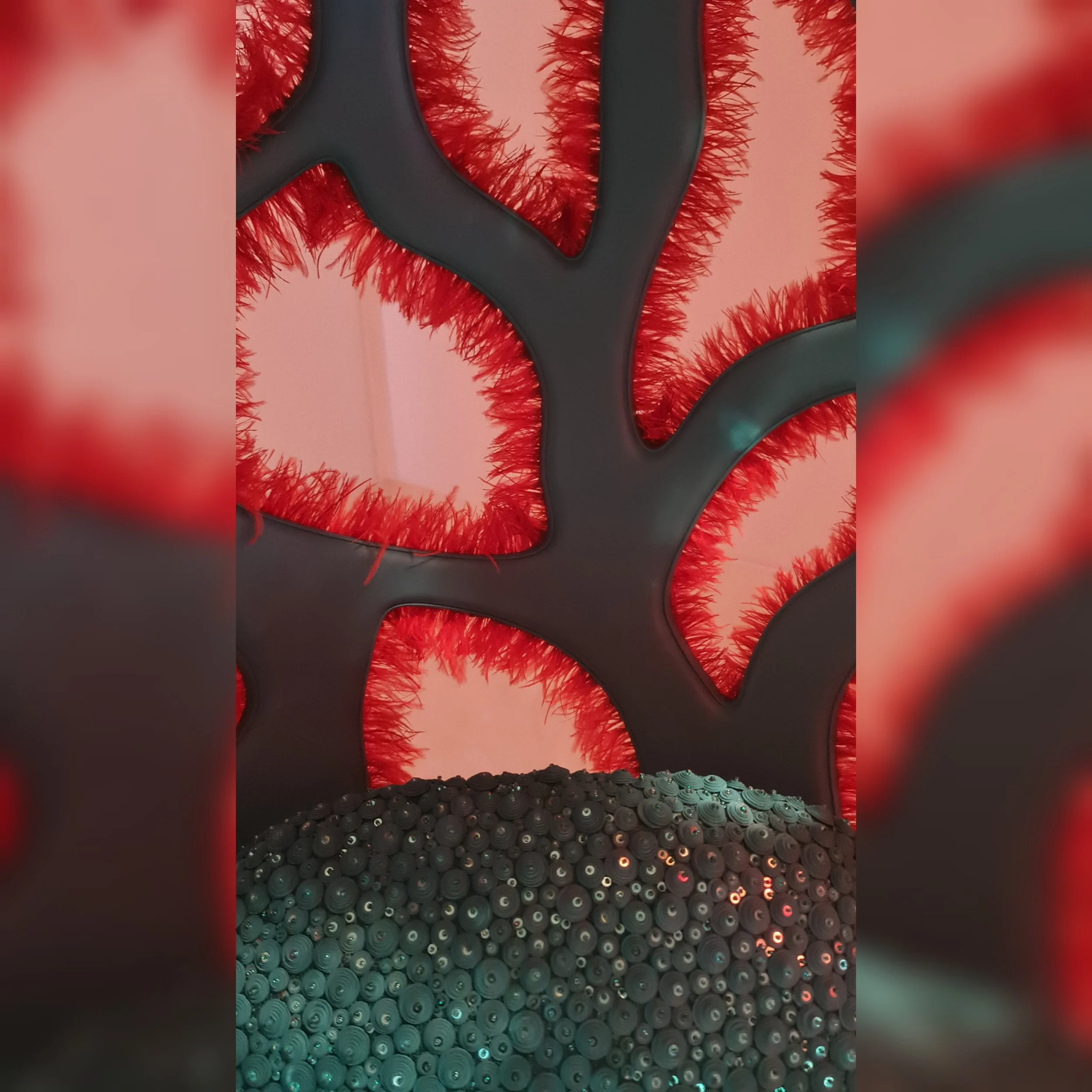
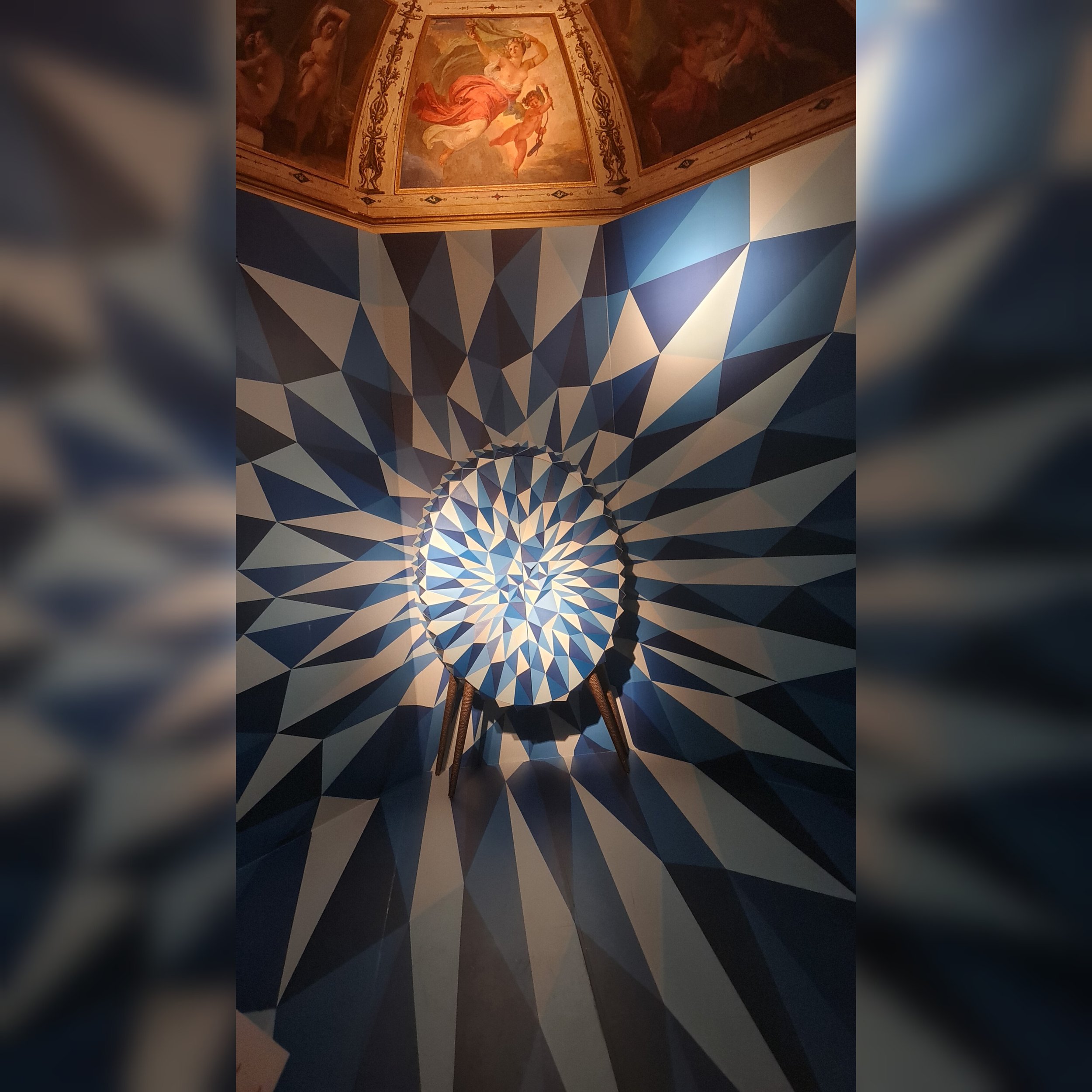
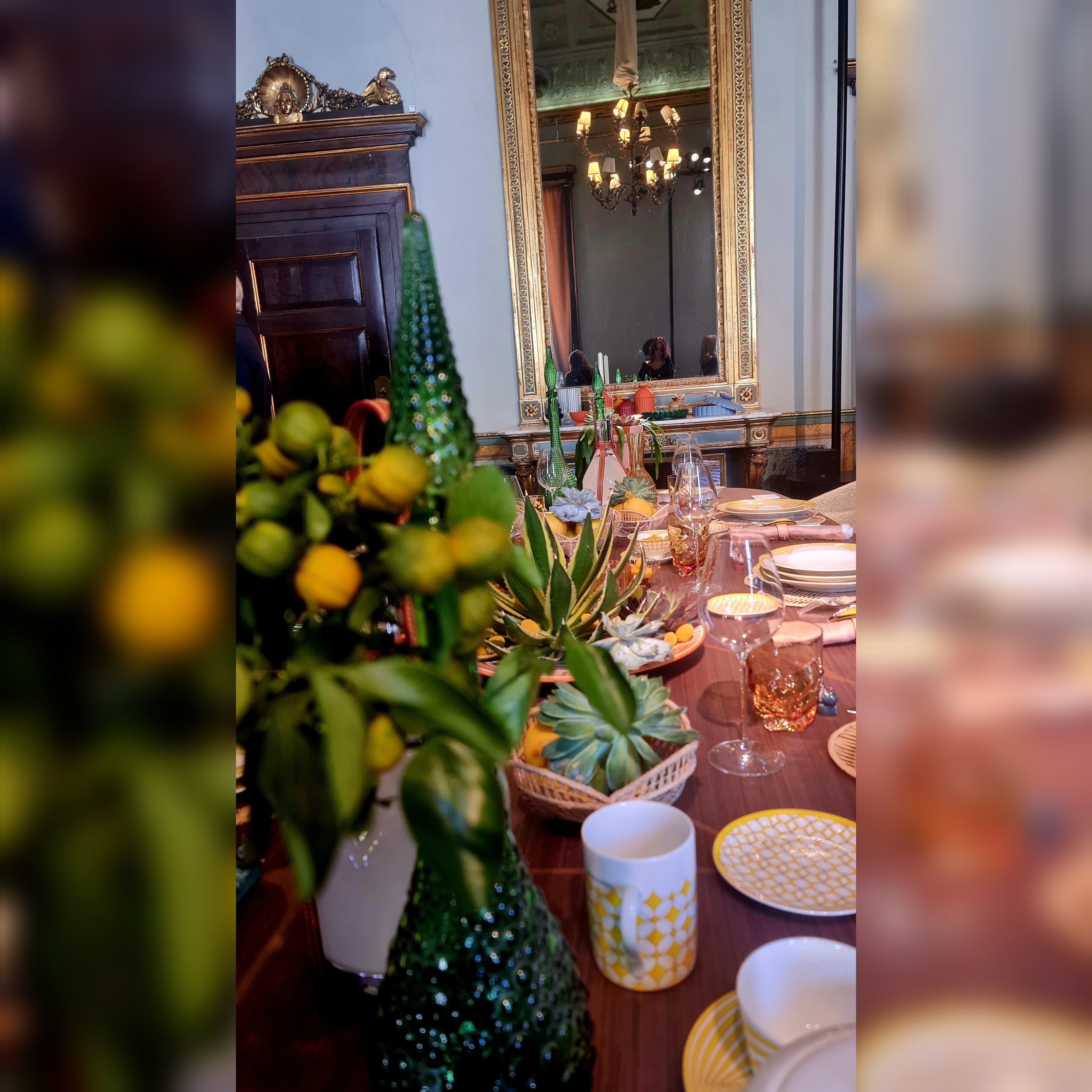
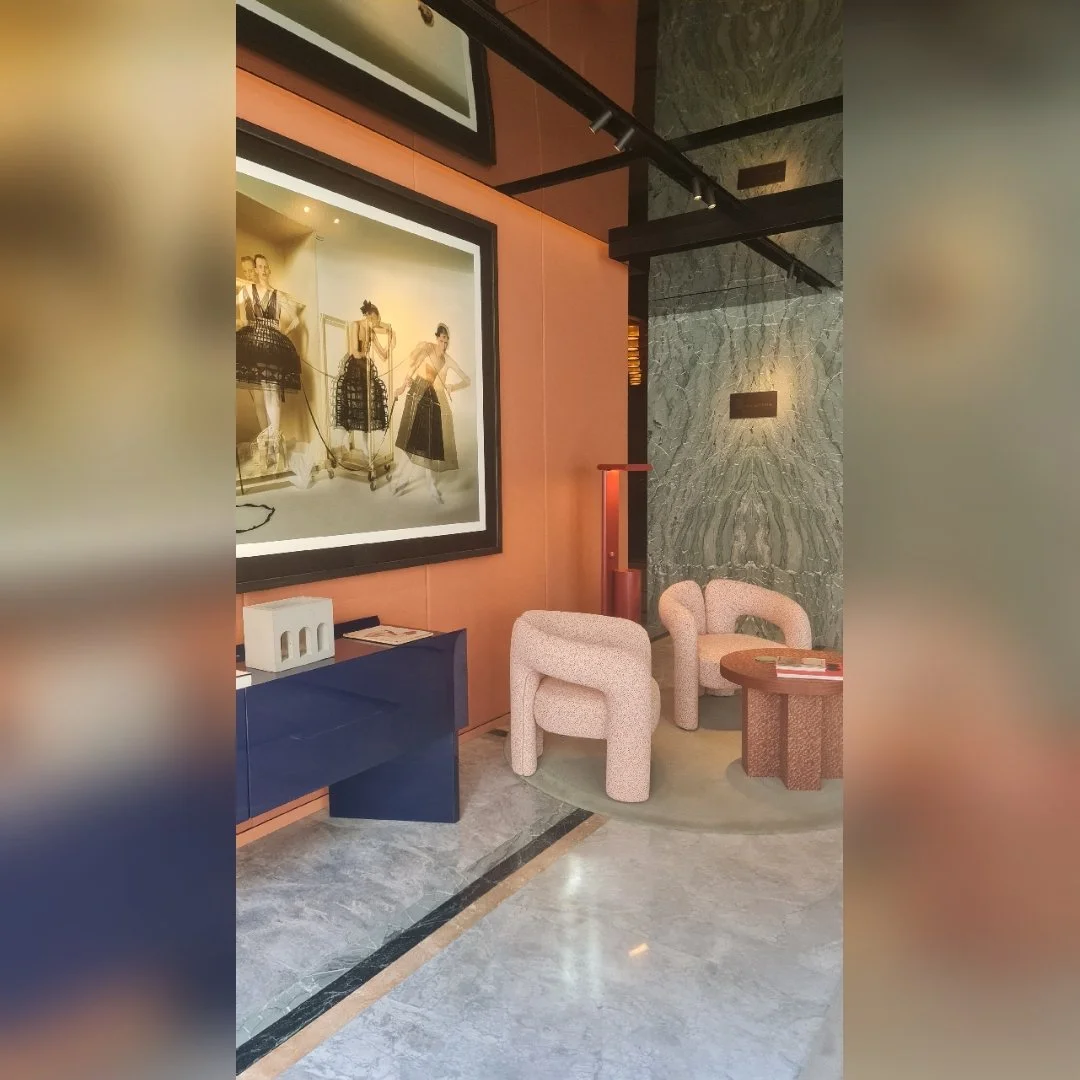
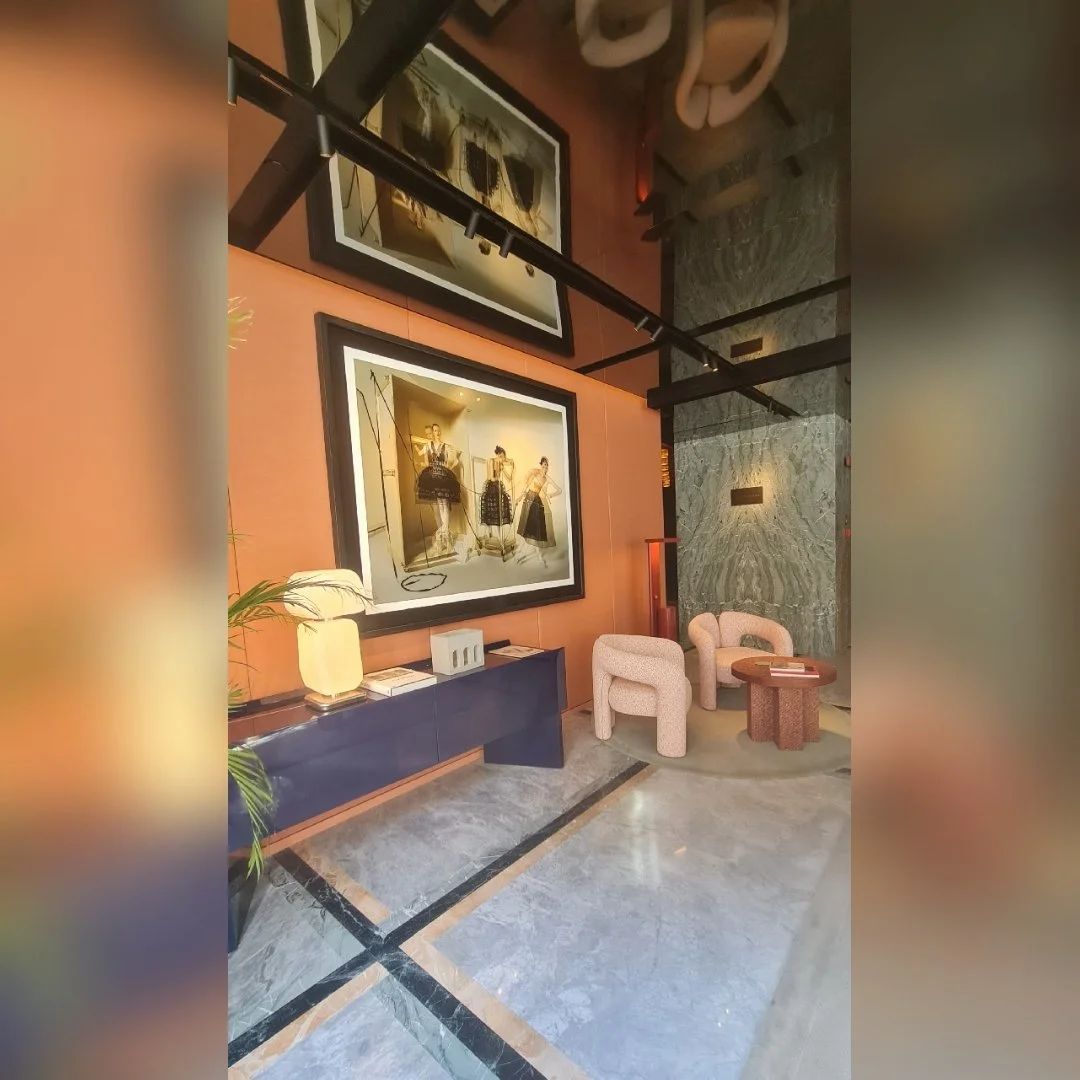
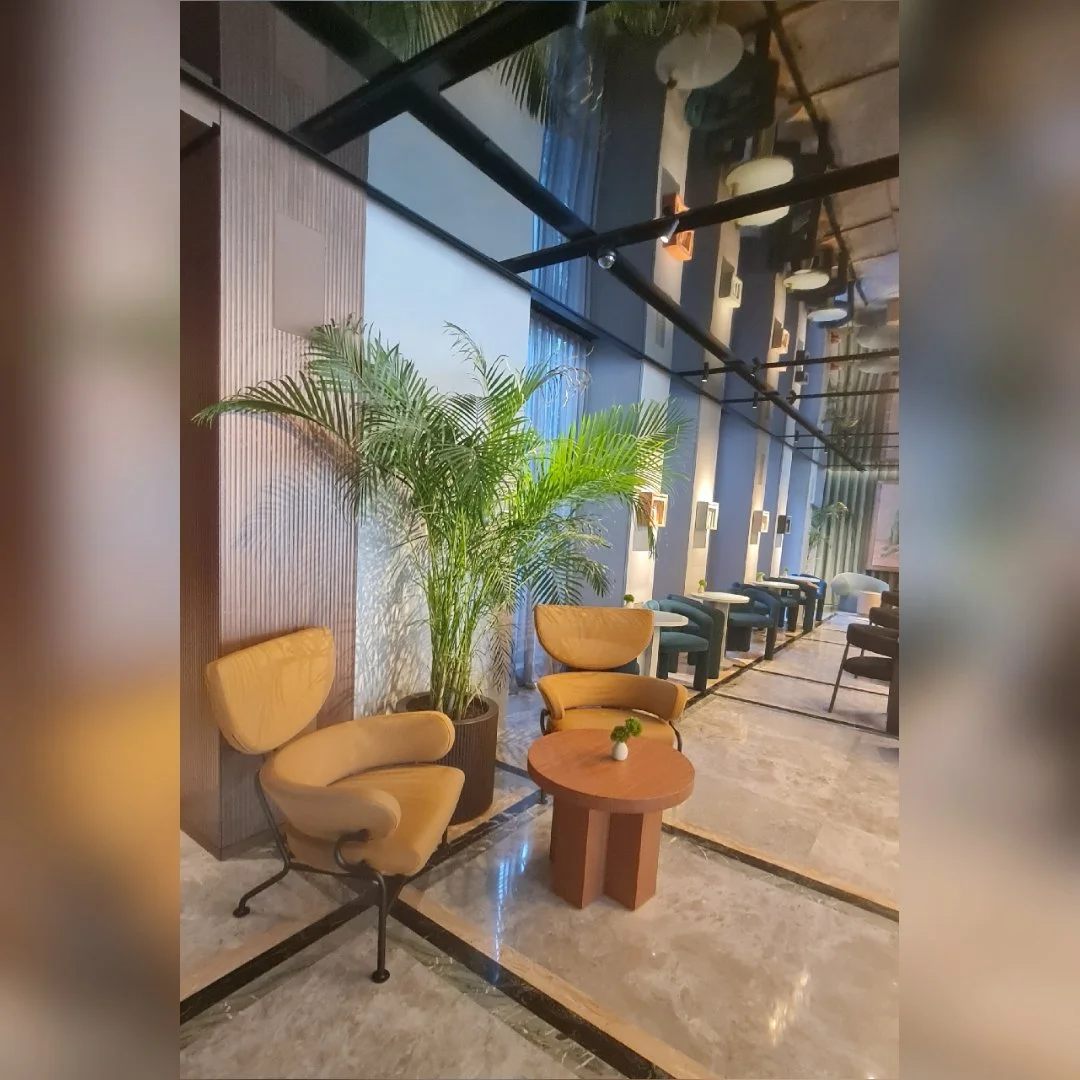
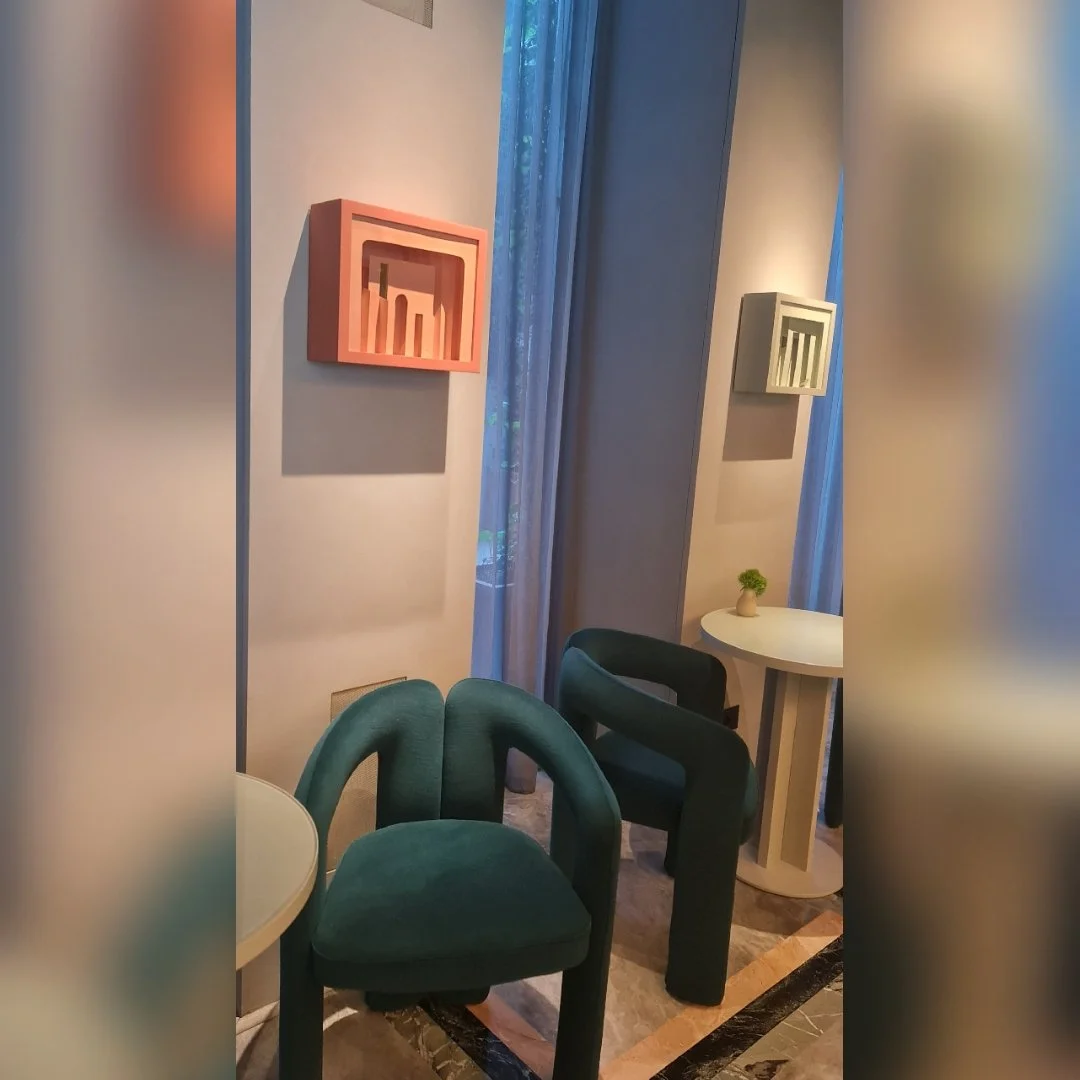
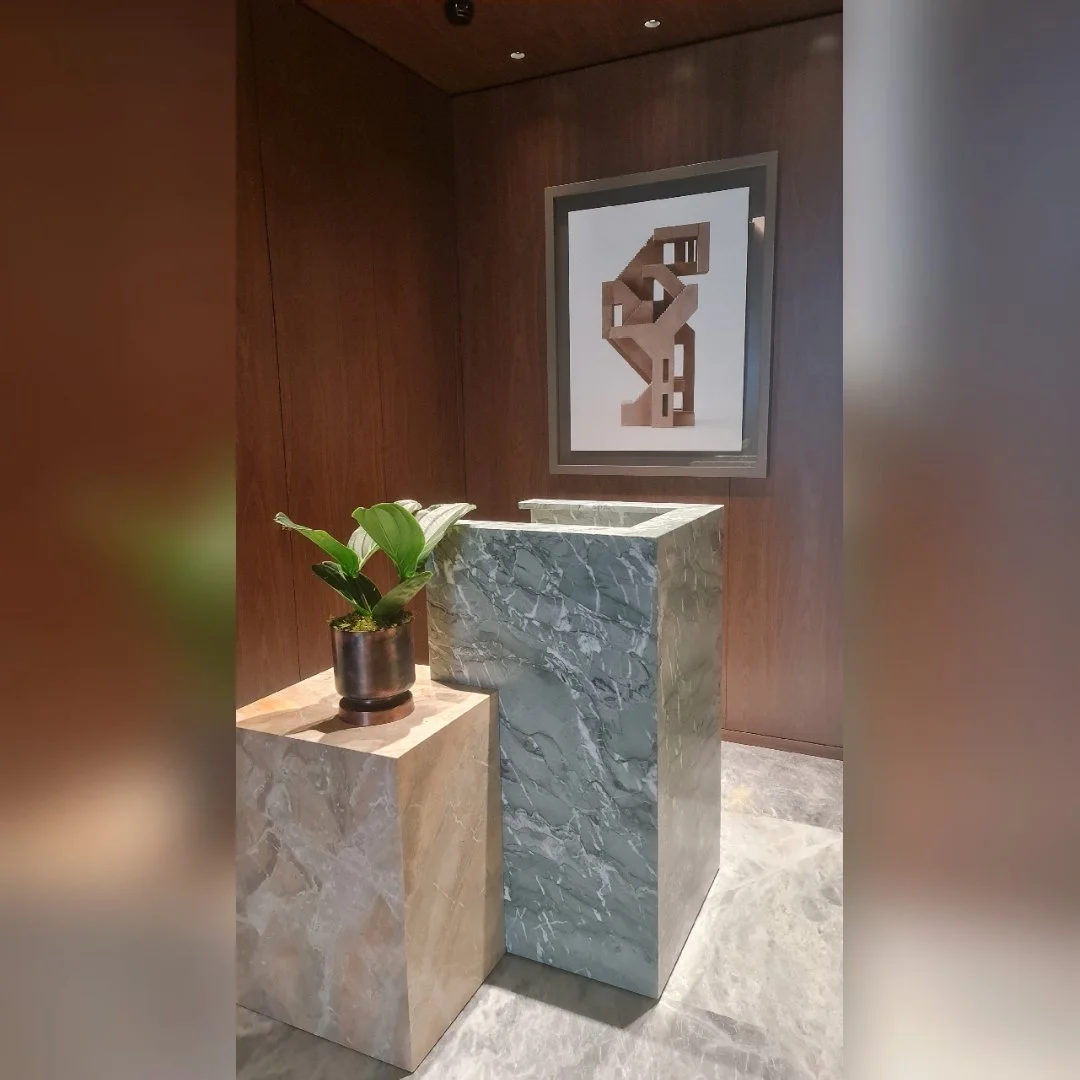
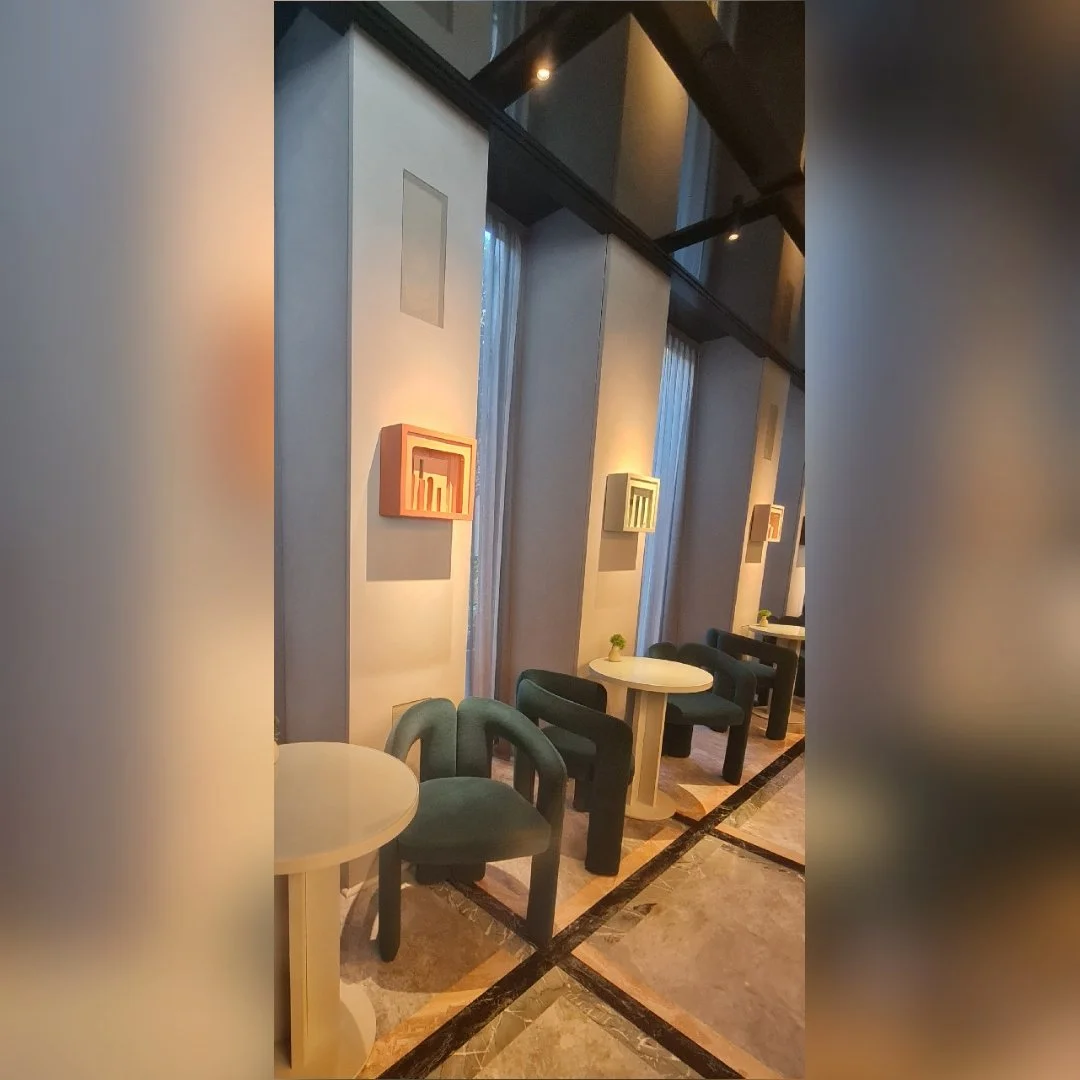
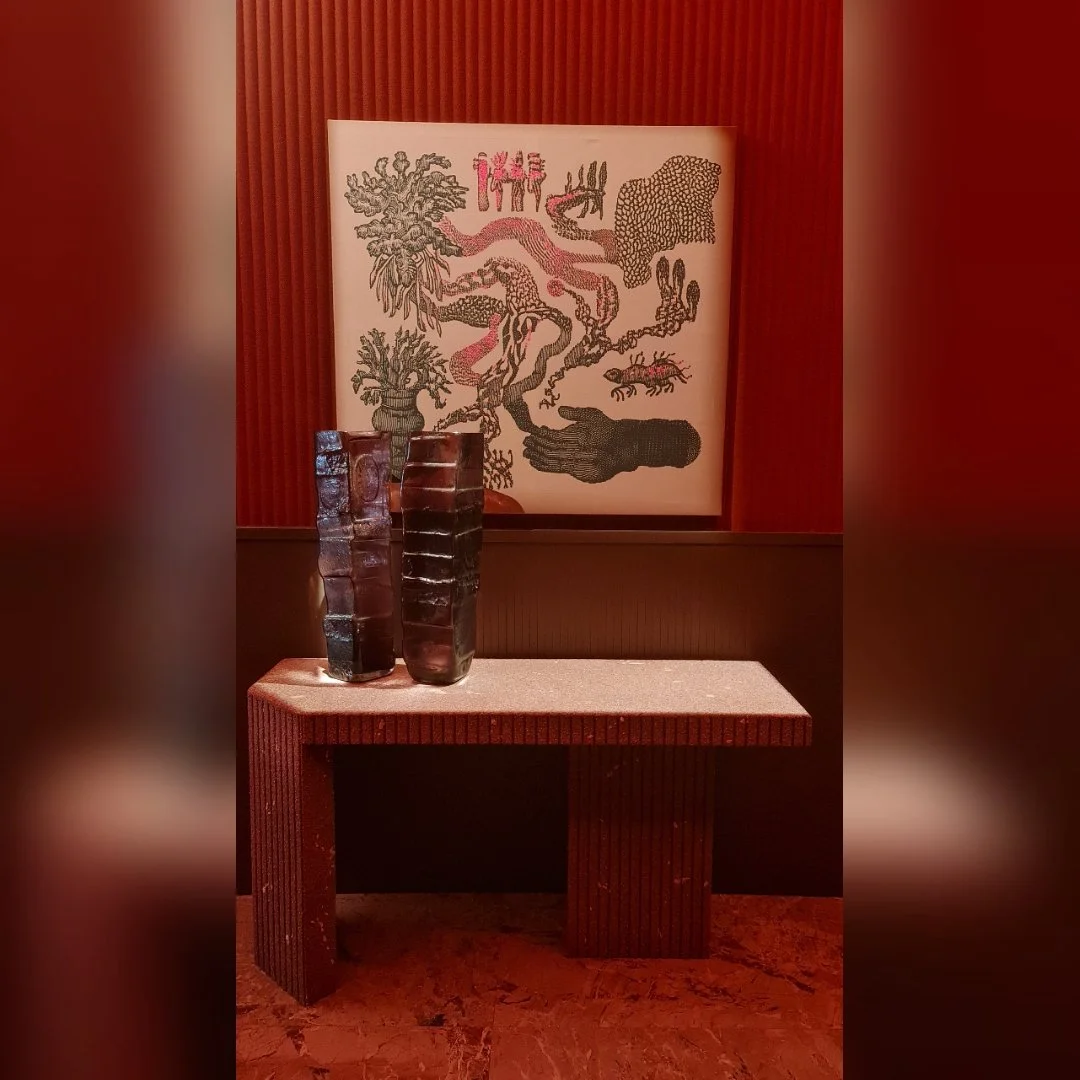
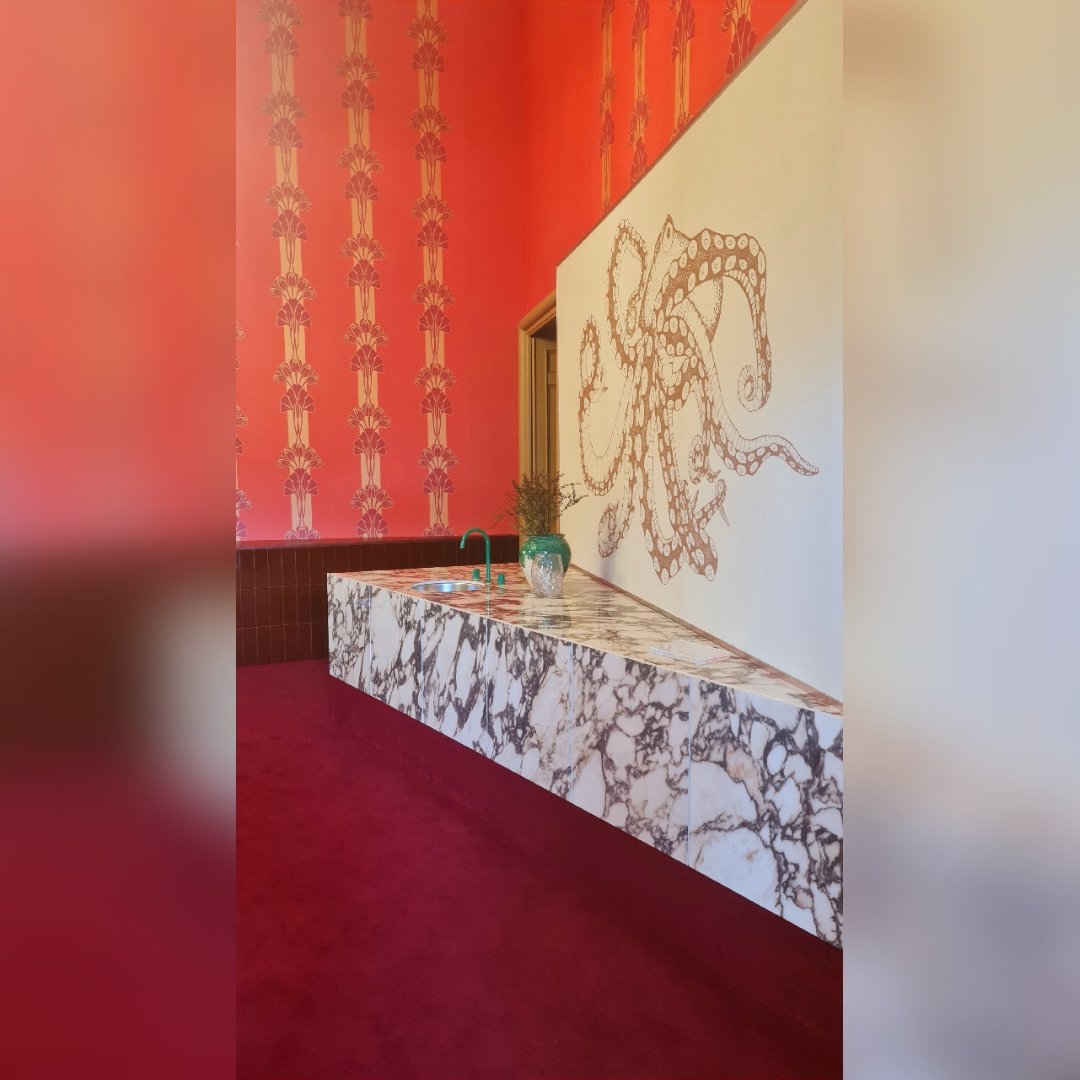
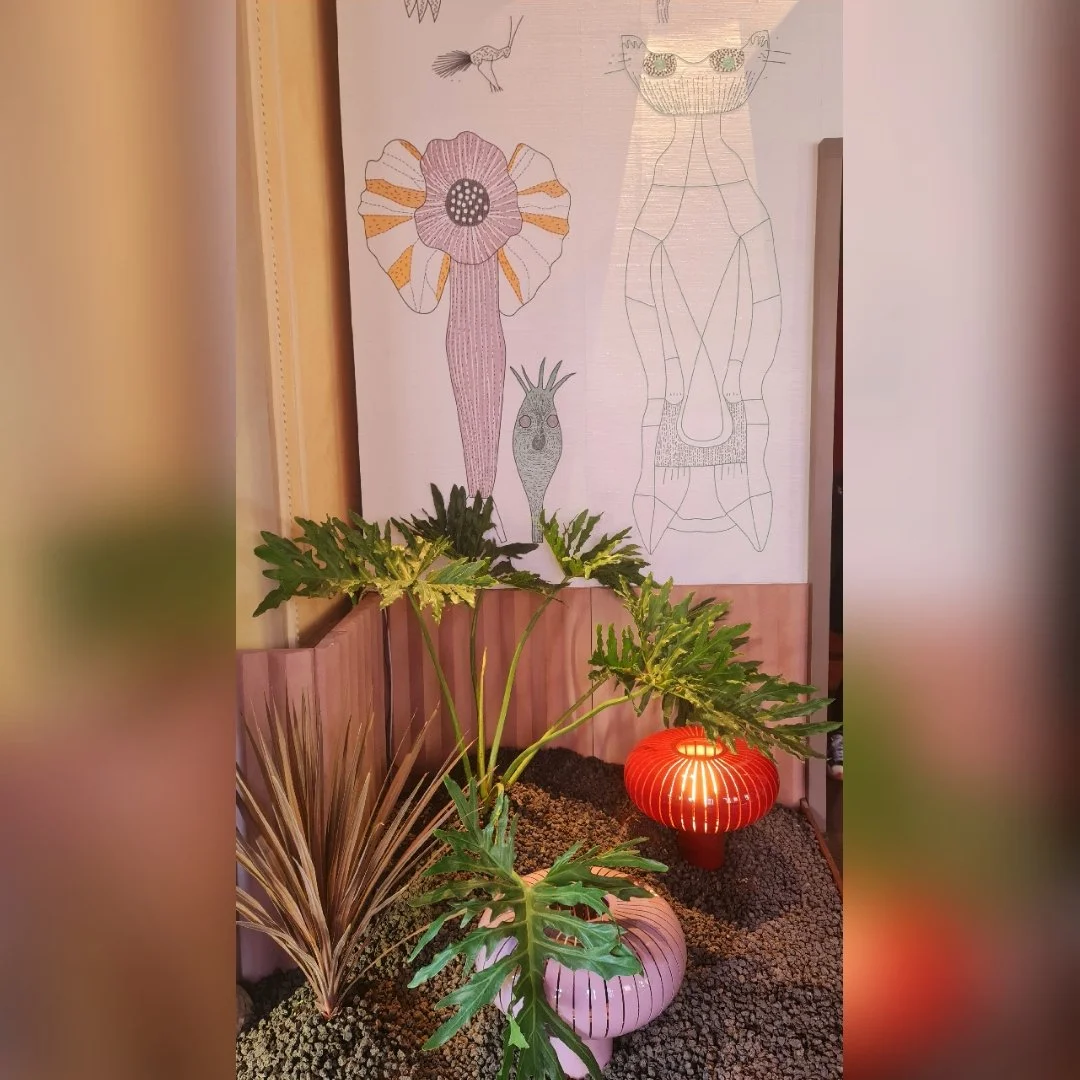
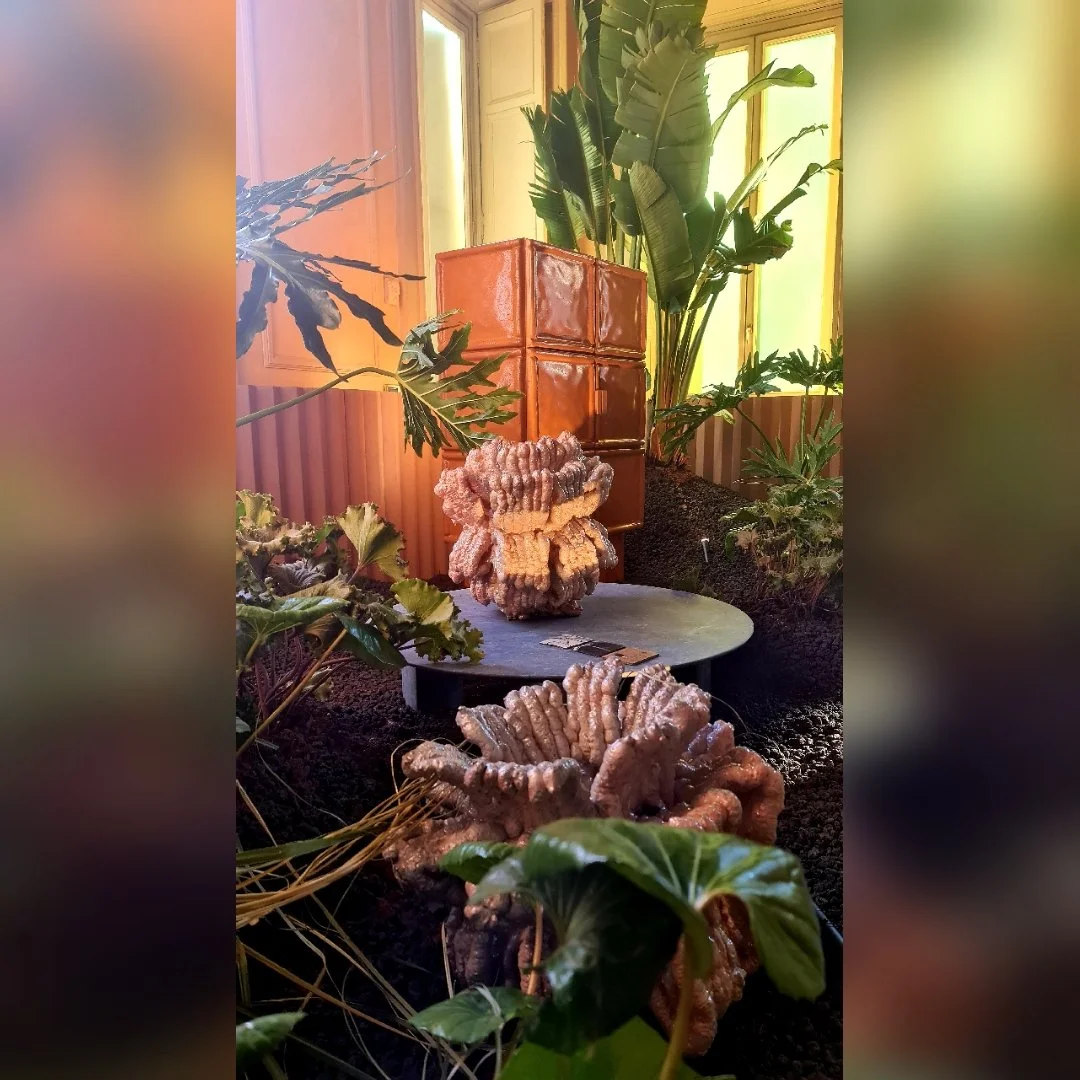
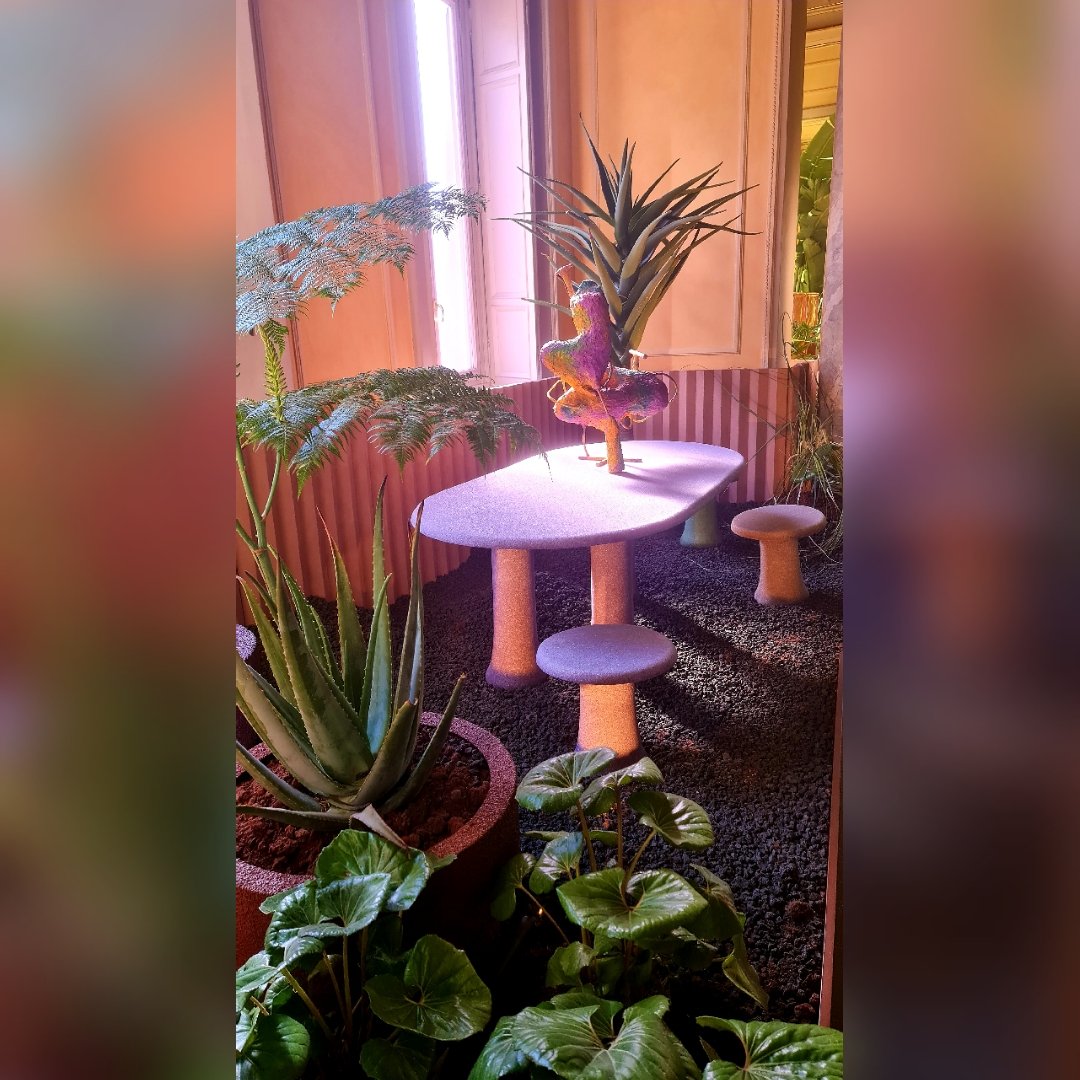
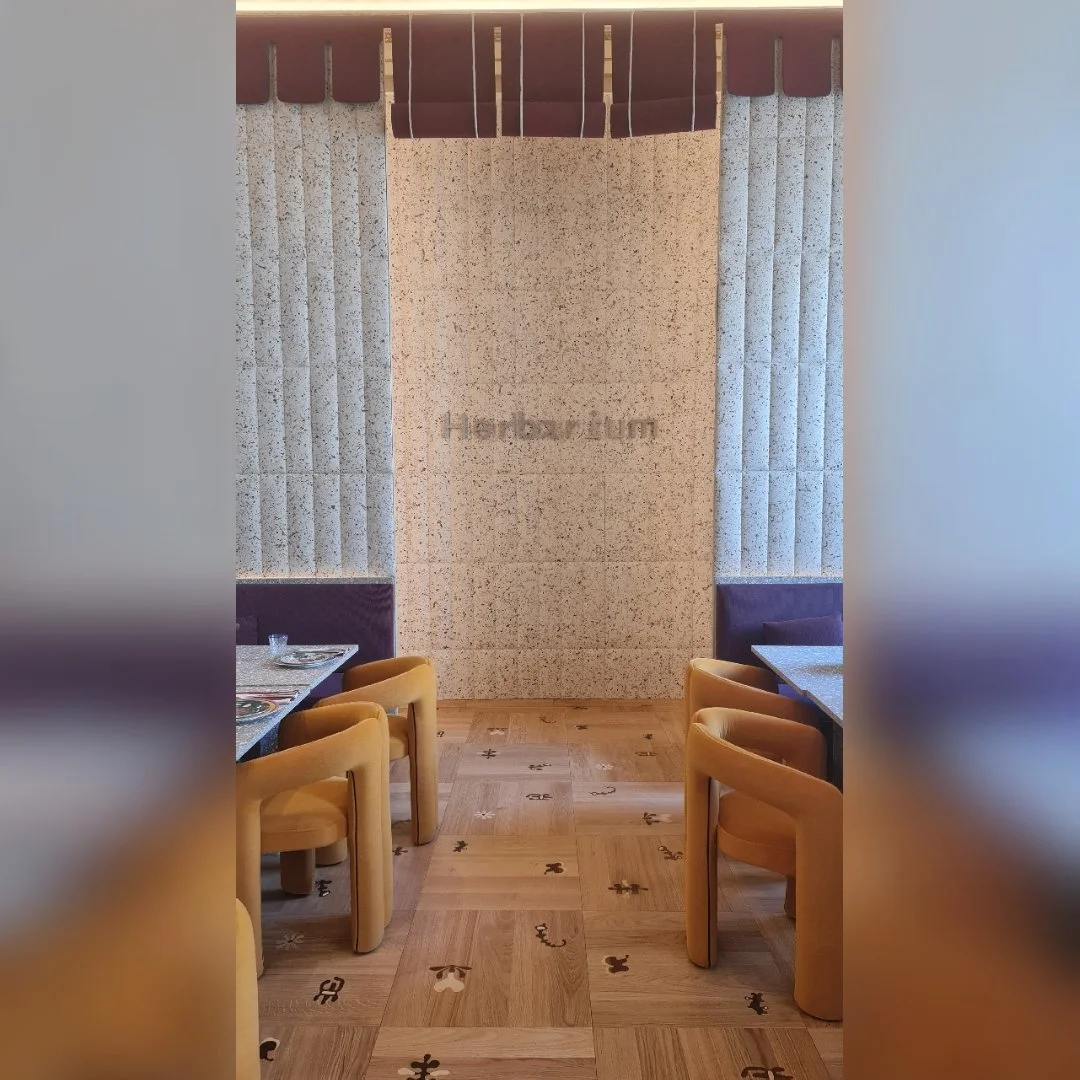
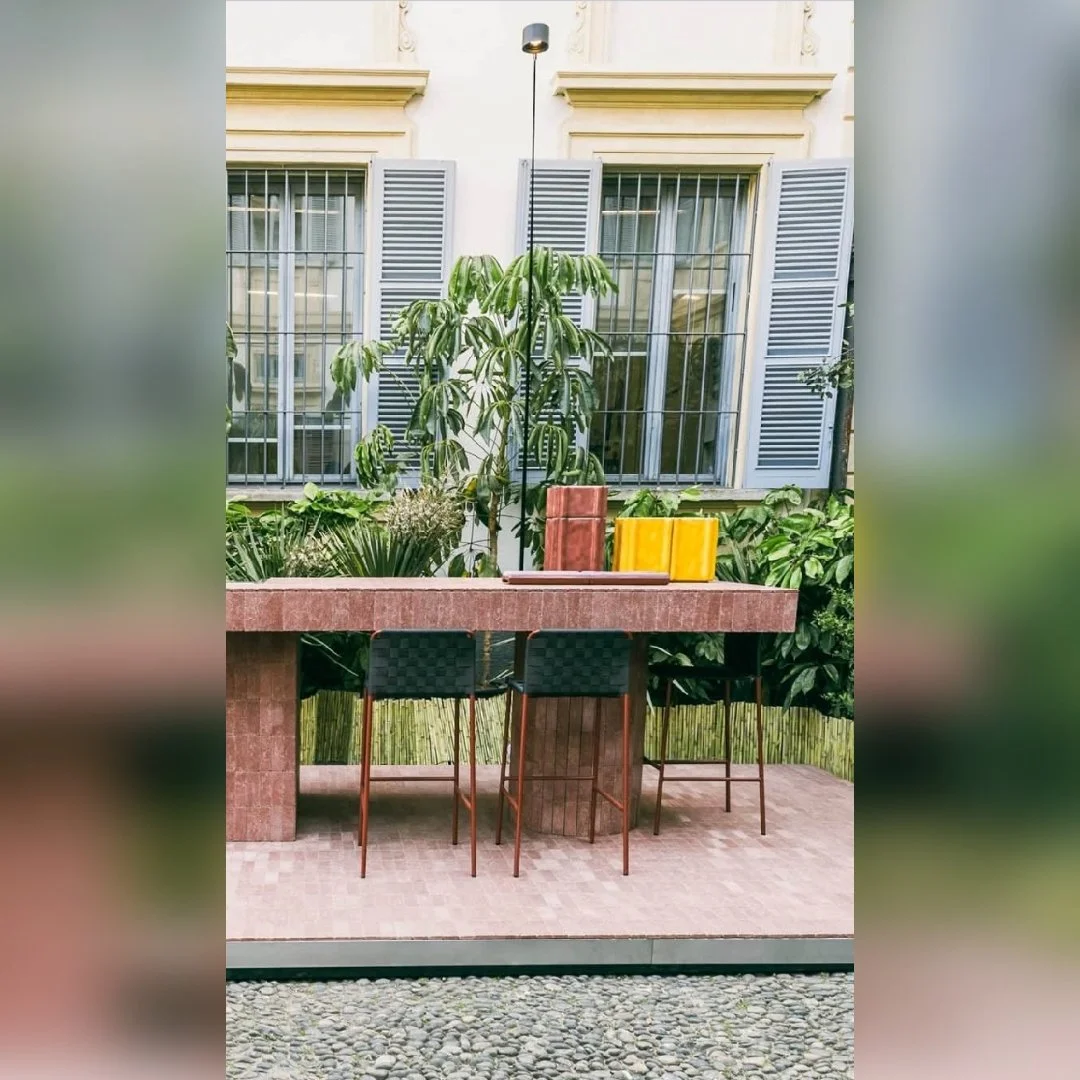
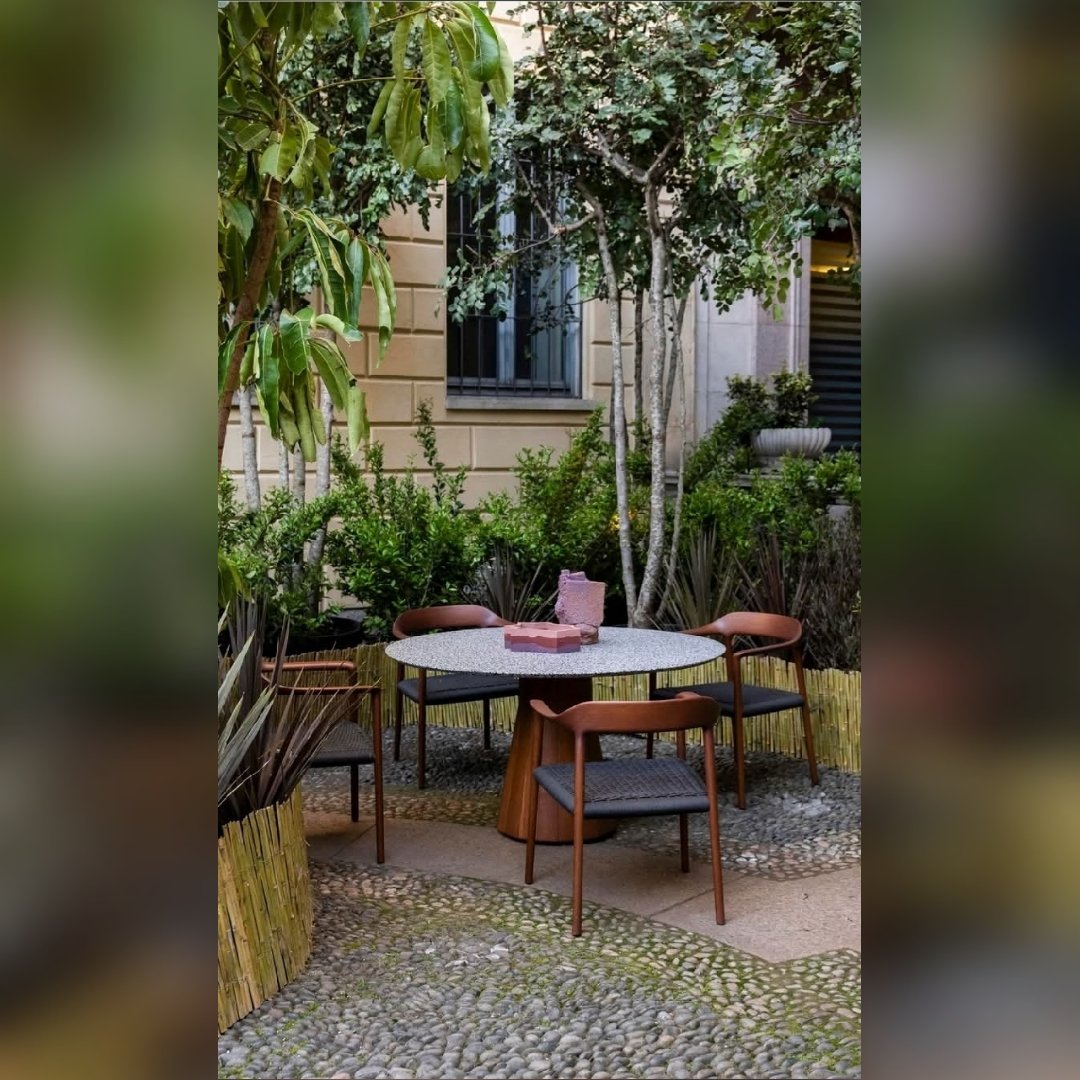
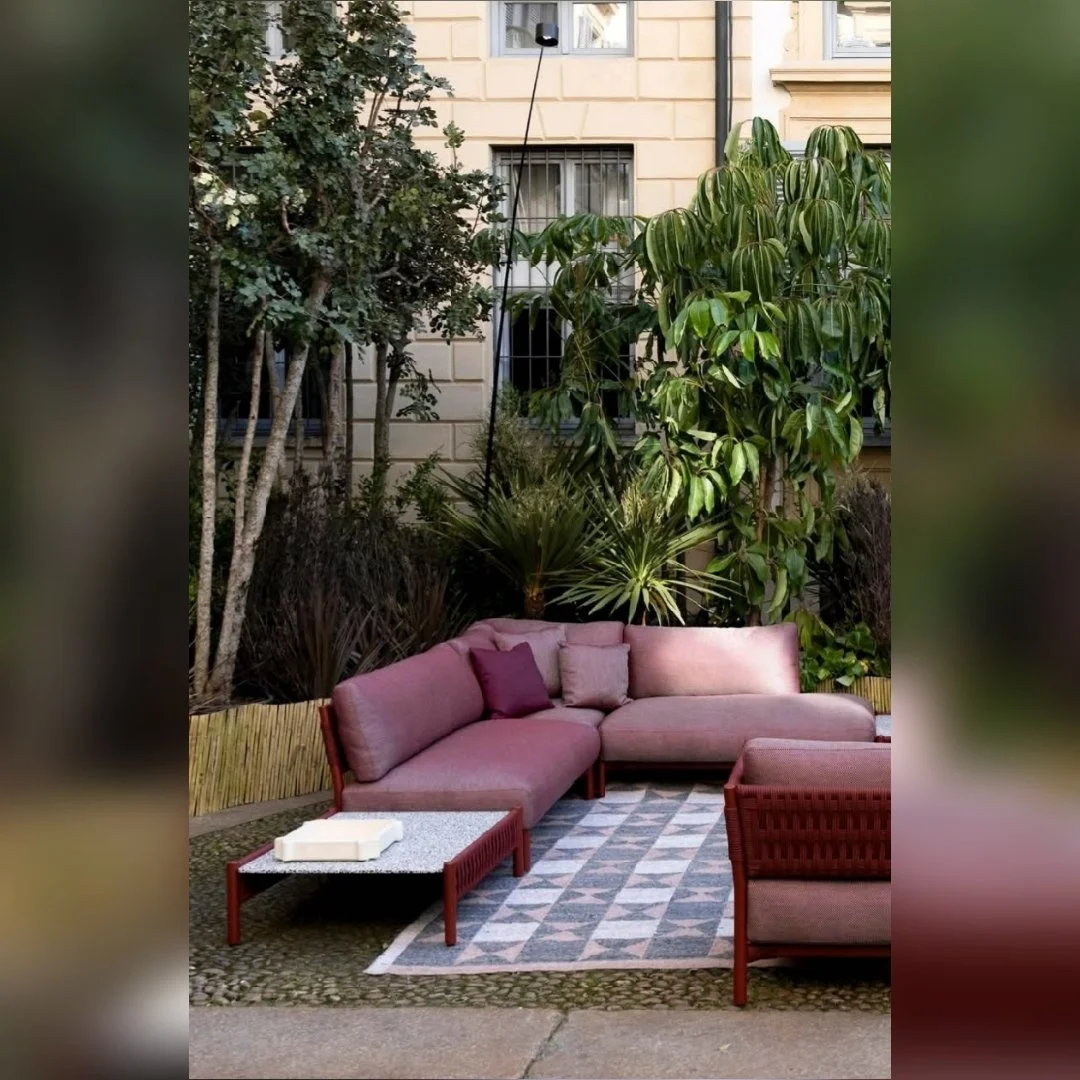
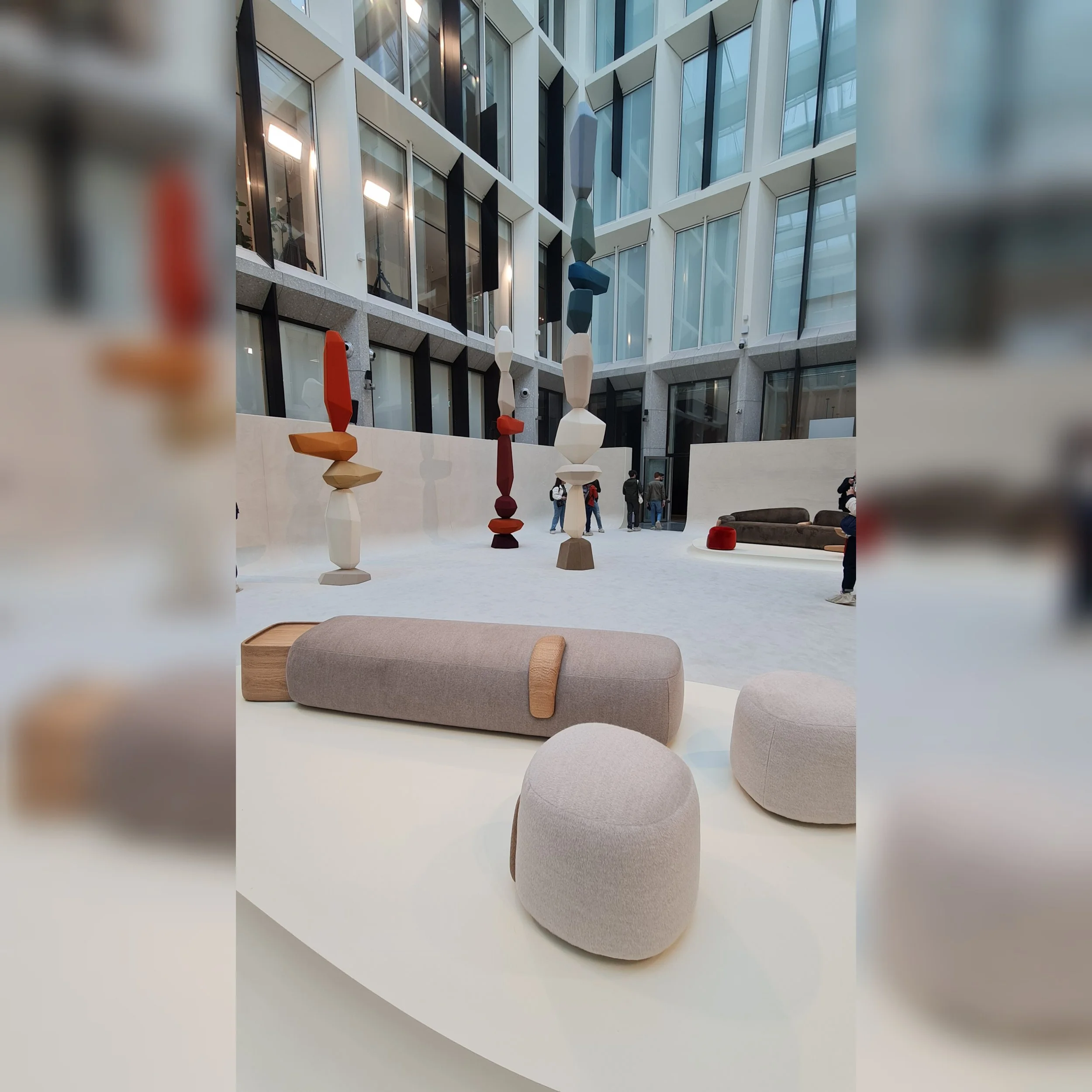
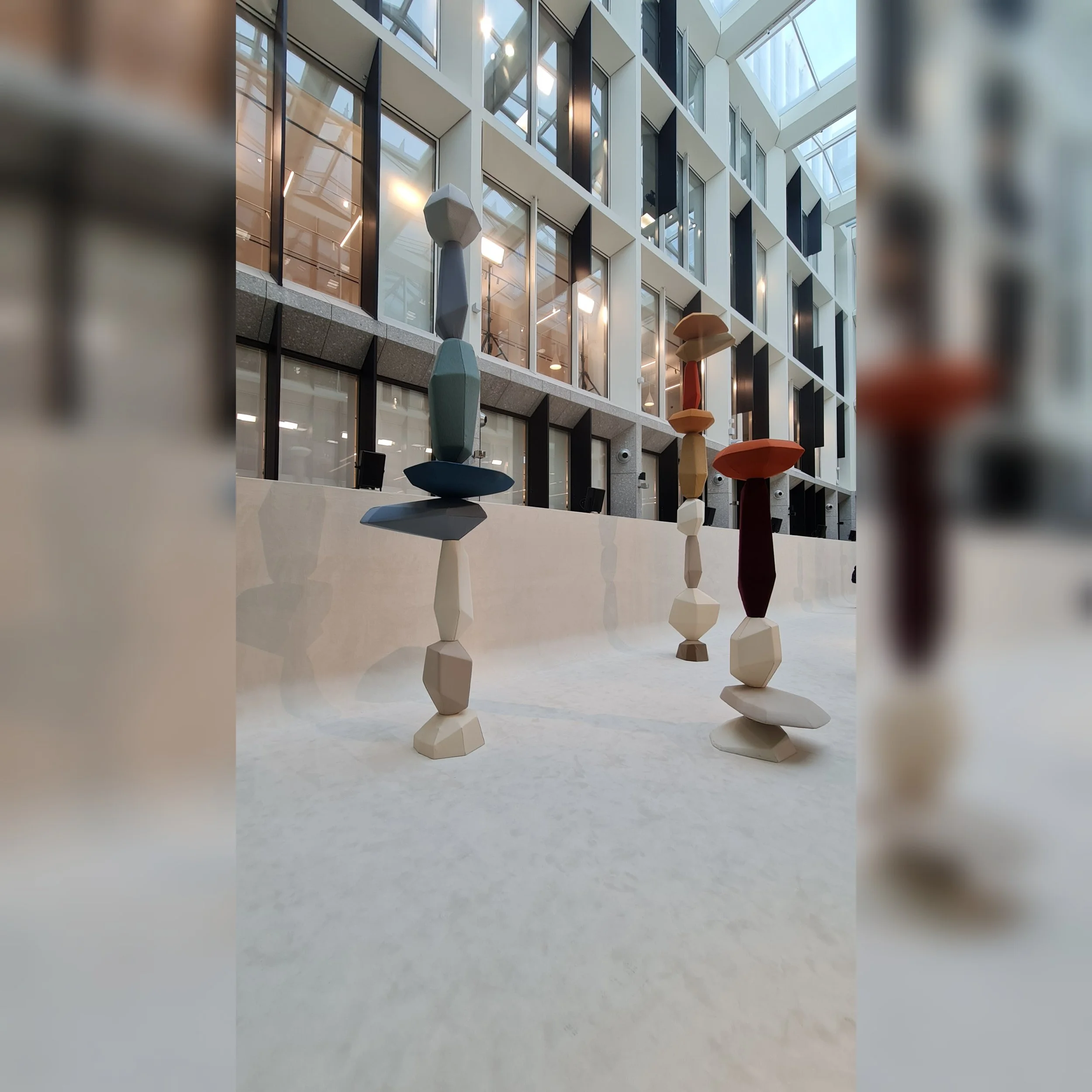
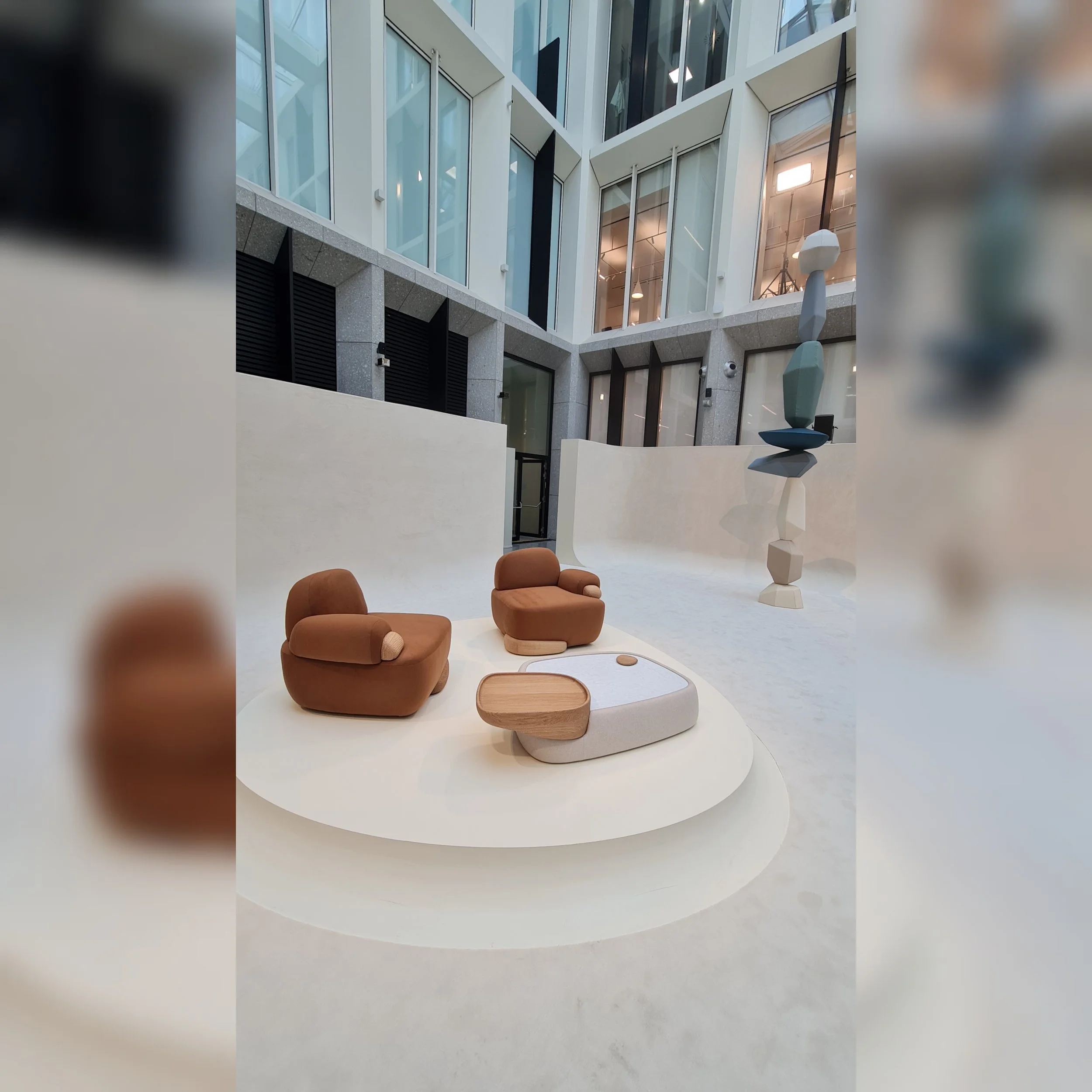
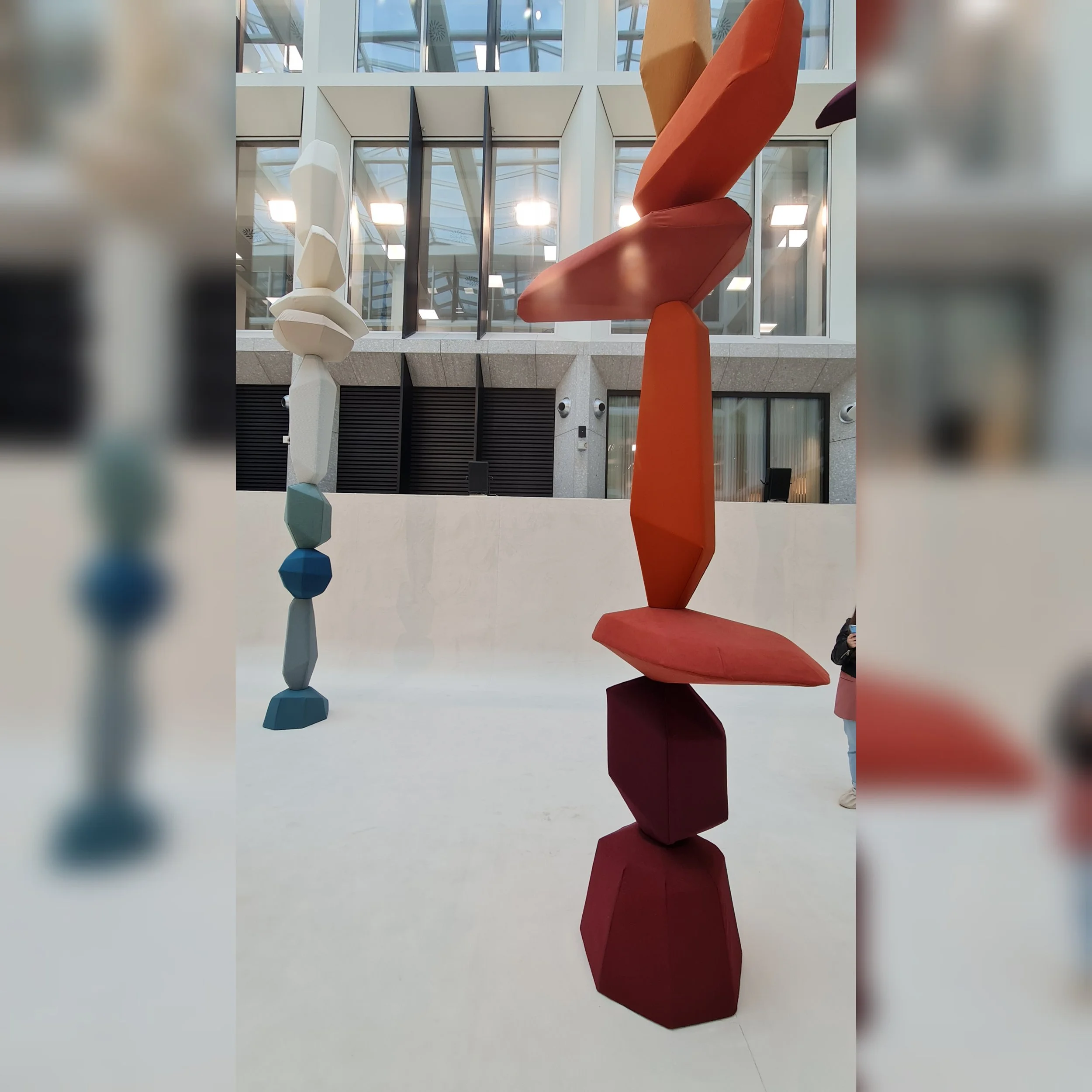
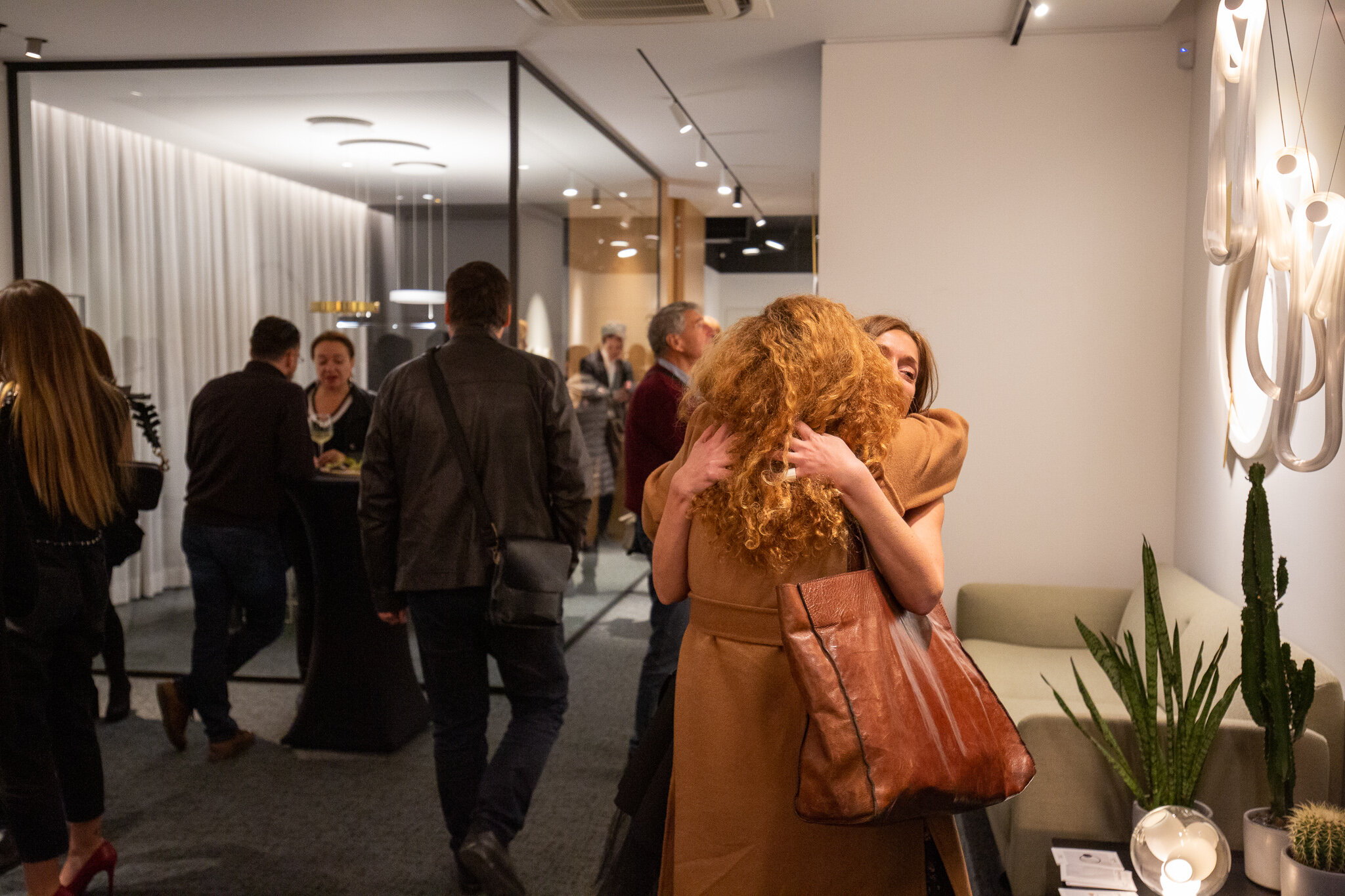
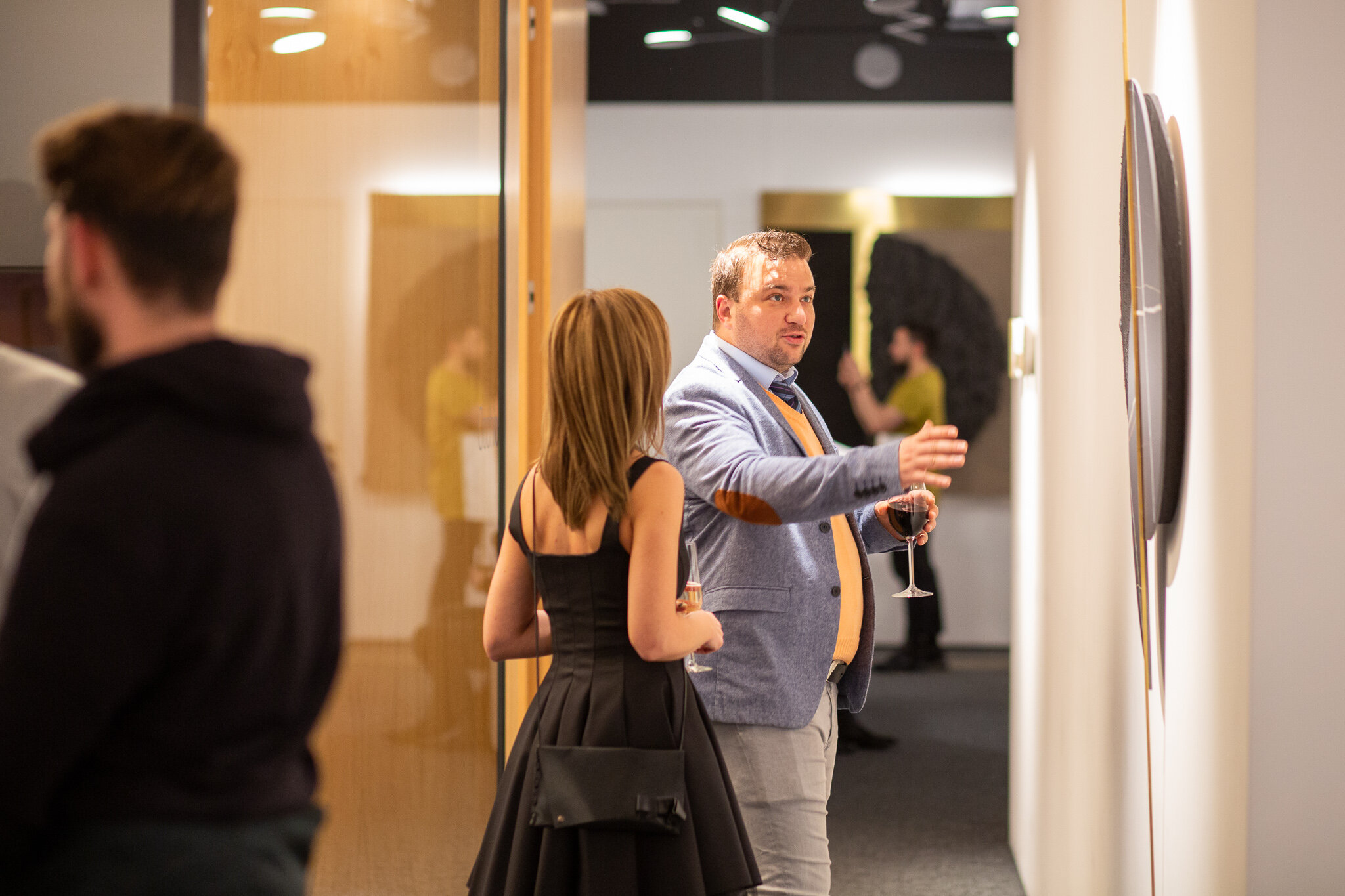
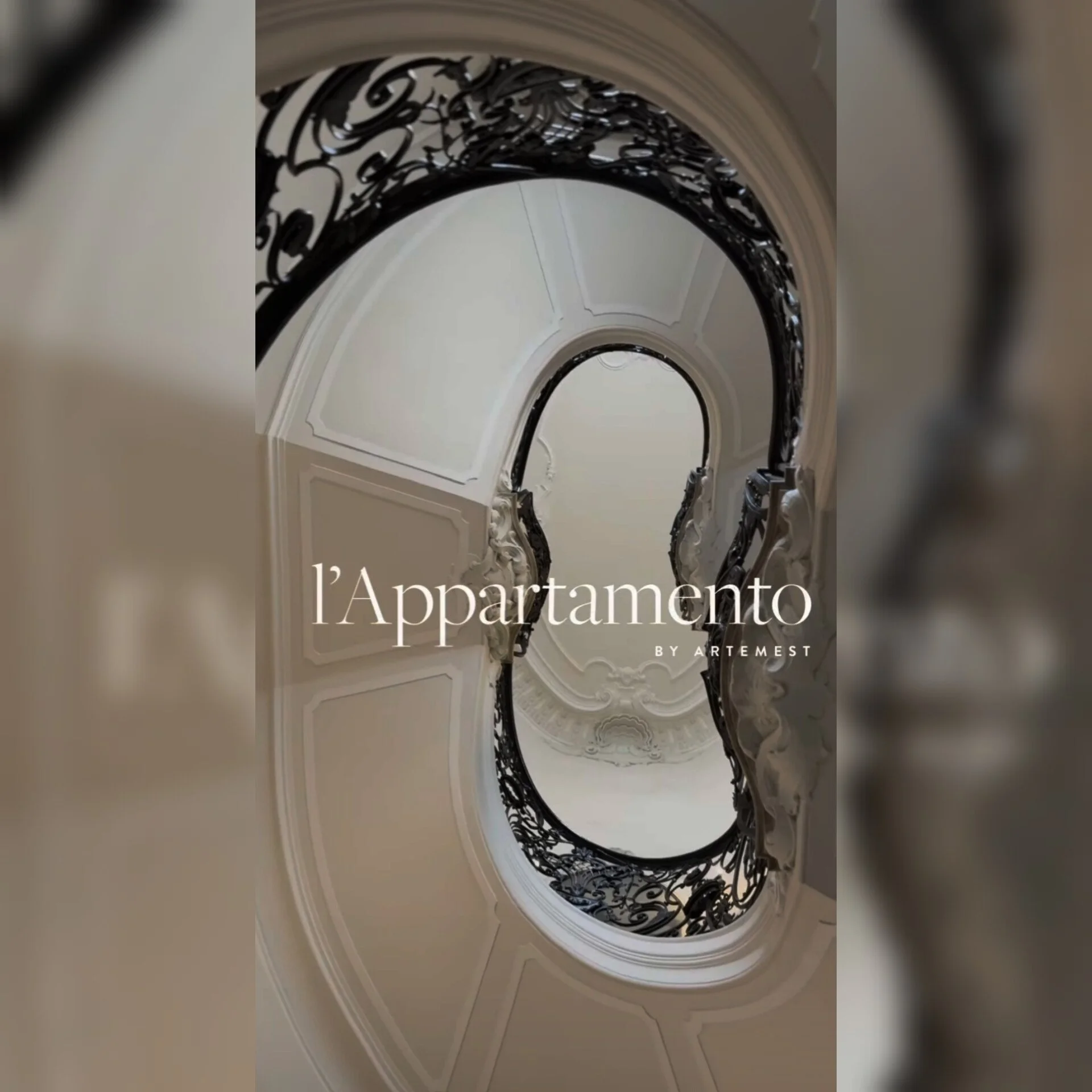
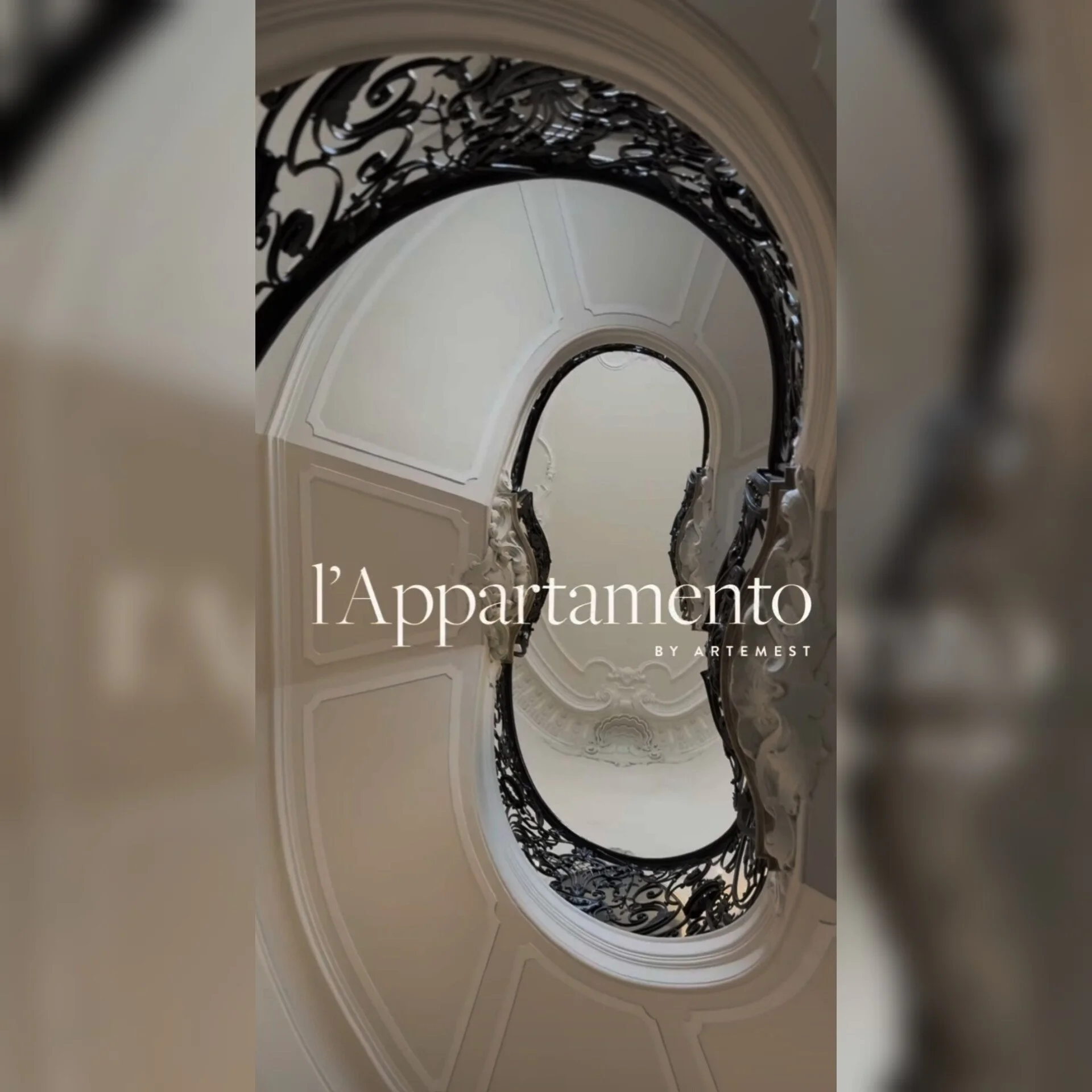
There are places during Milan Design Week 2025 that feel less like exhibitions and more like invitations into a private world. L’Appartamento by Artemest is one of them.

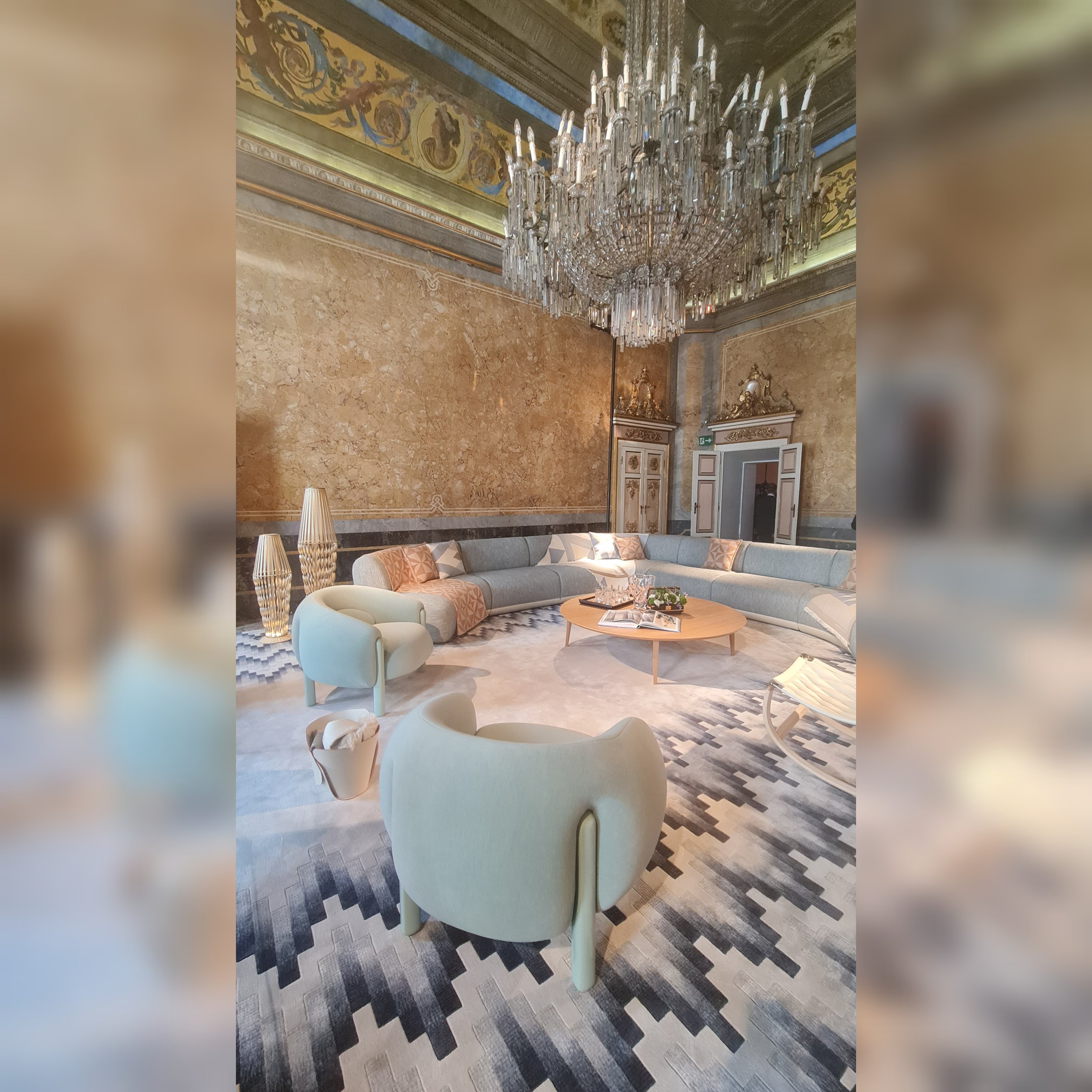
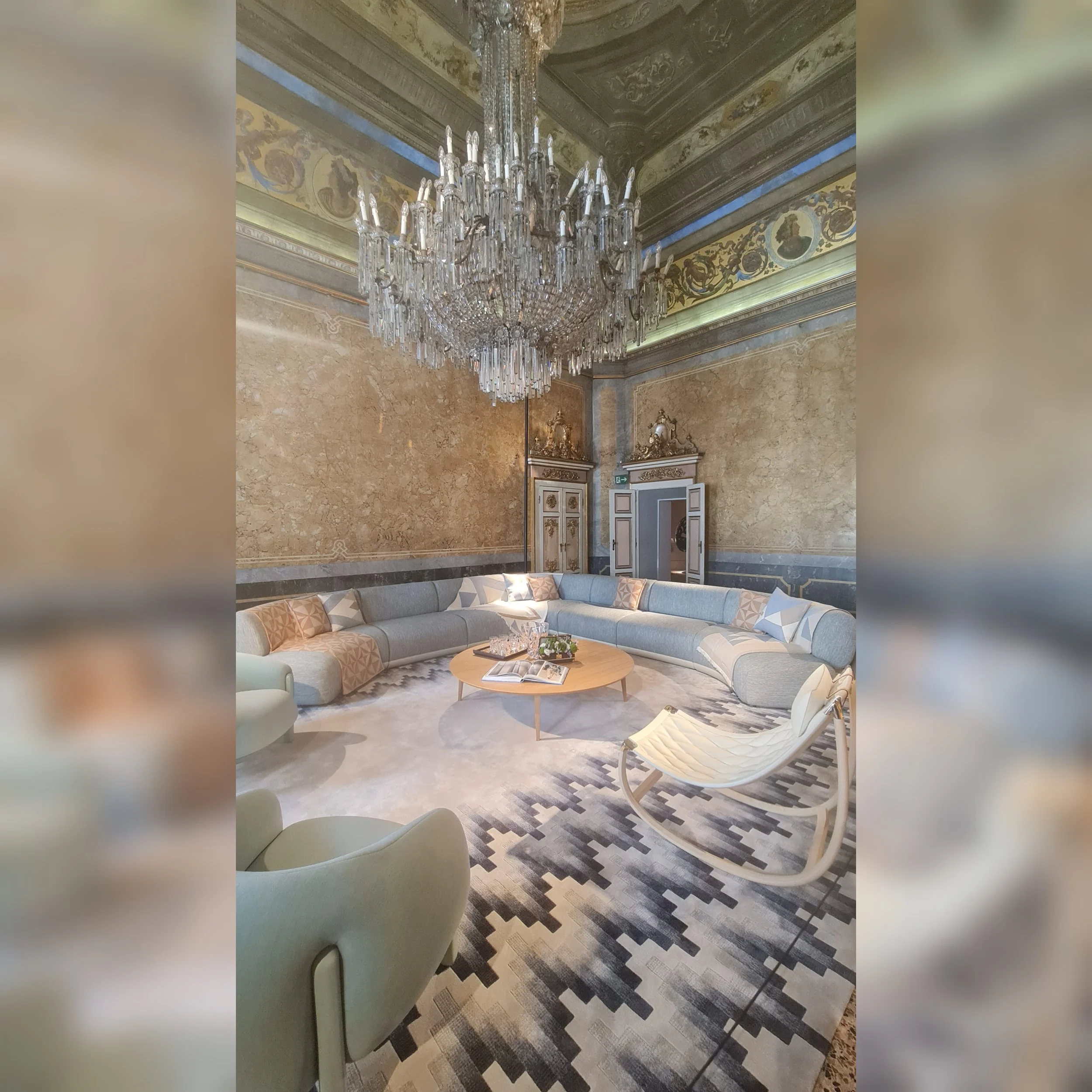
Set within the historic Palazzo Donizetti, Via Gaetano Donizetti 48, Milan, the installation unfolds not as a sequence of rooms, but as a layered narrative—each space interpreted by a different designer, each carrying its own emotional temperature, yet all held together by a quiet, almost cinematic coherence.

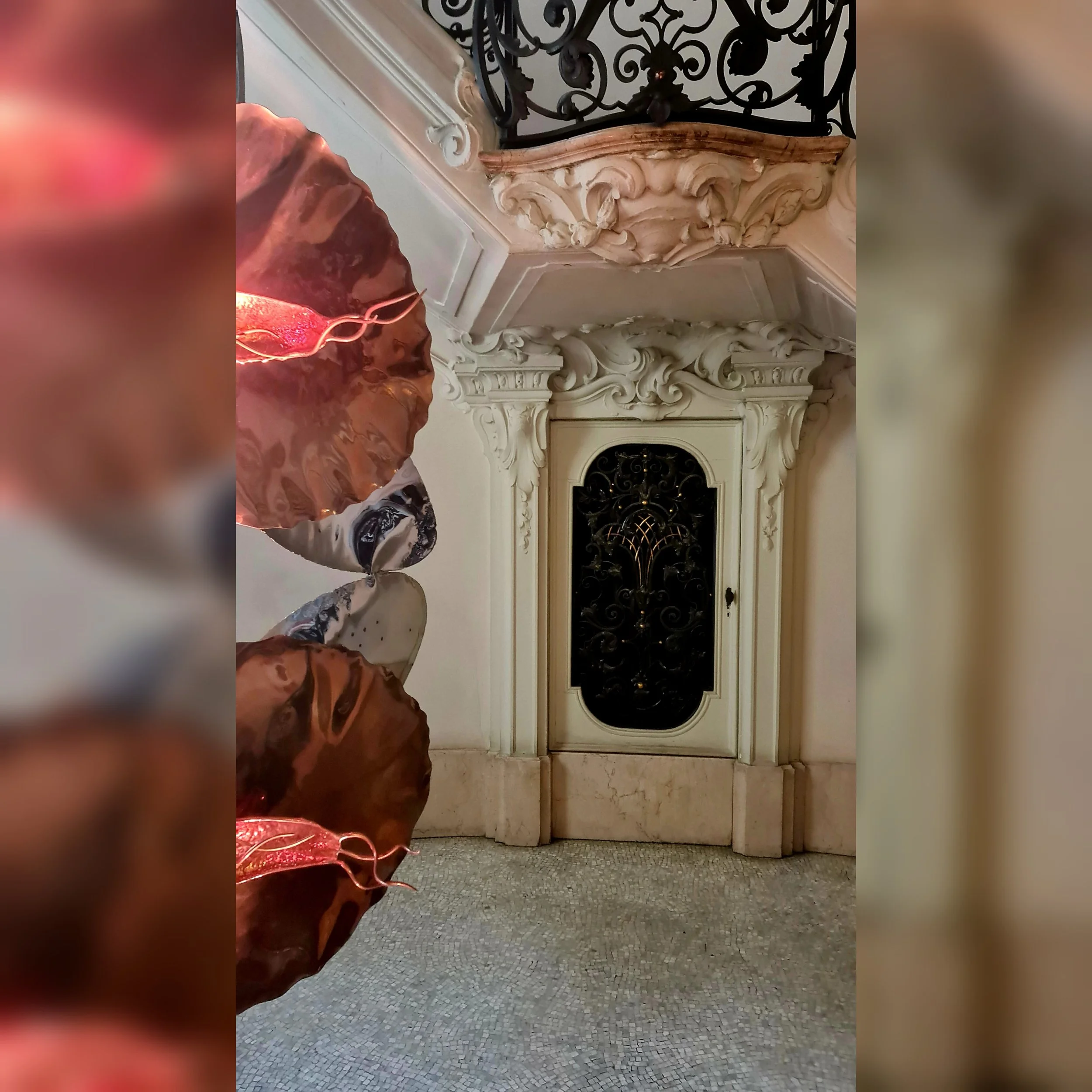
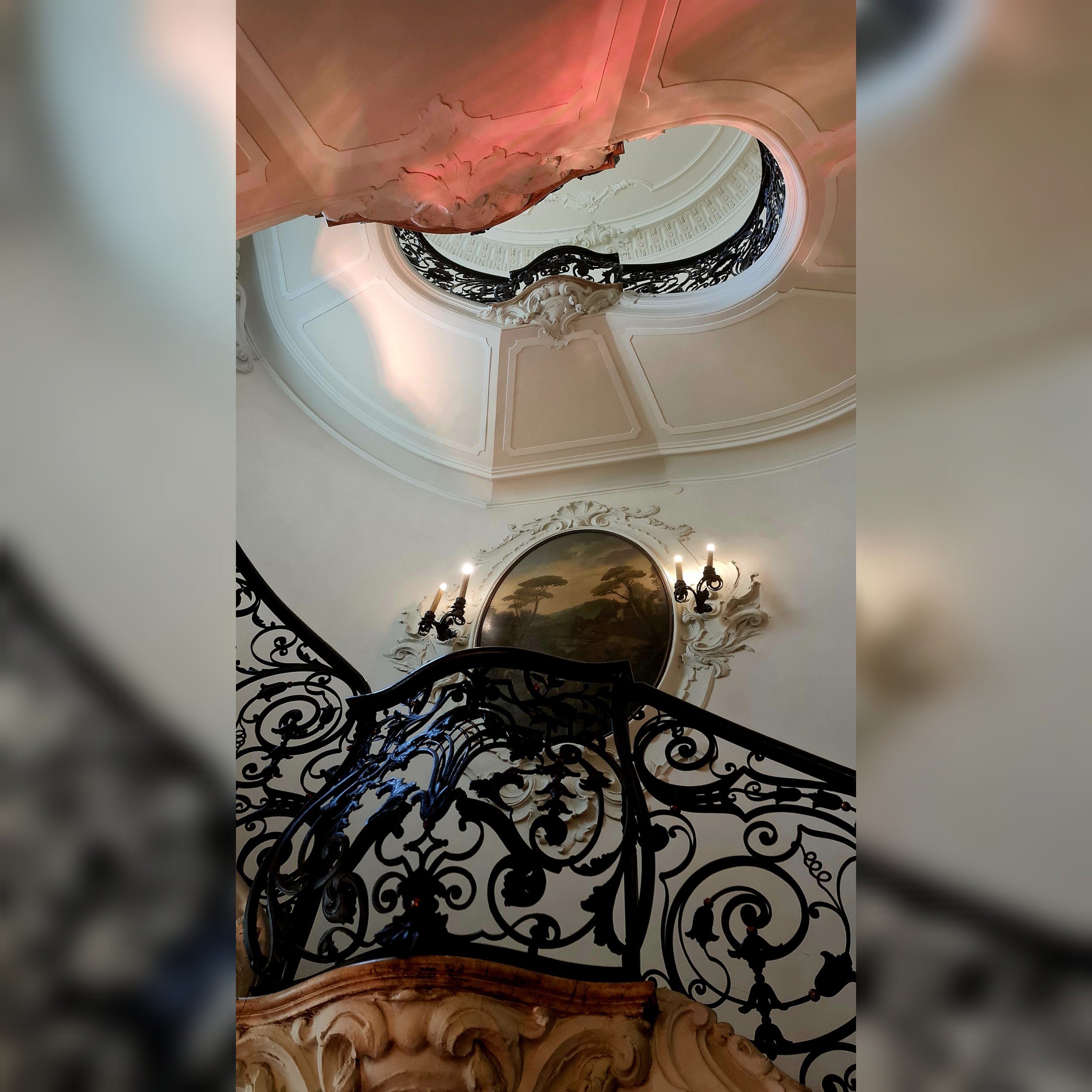
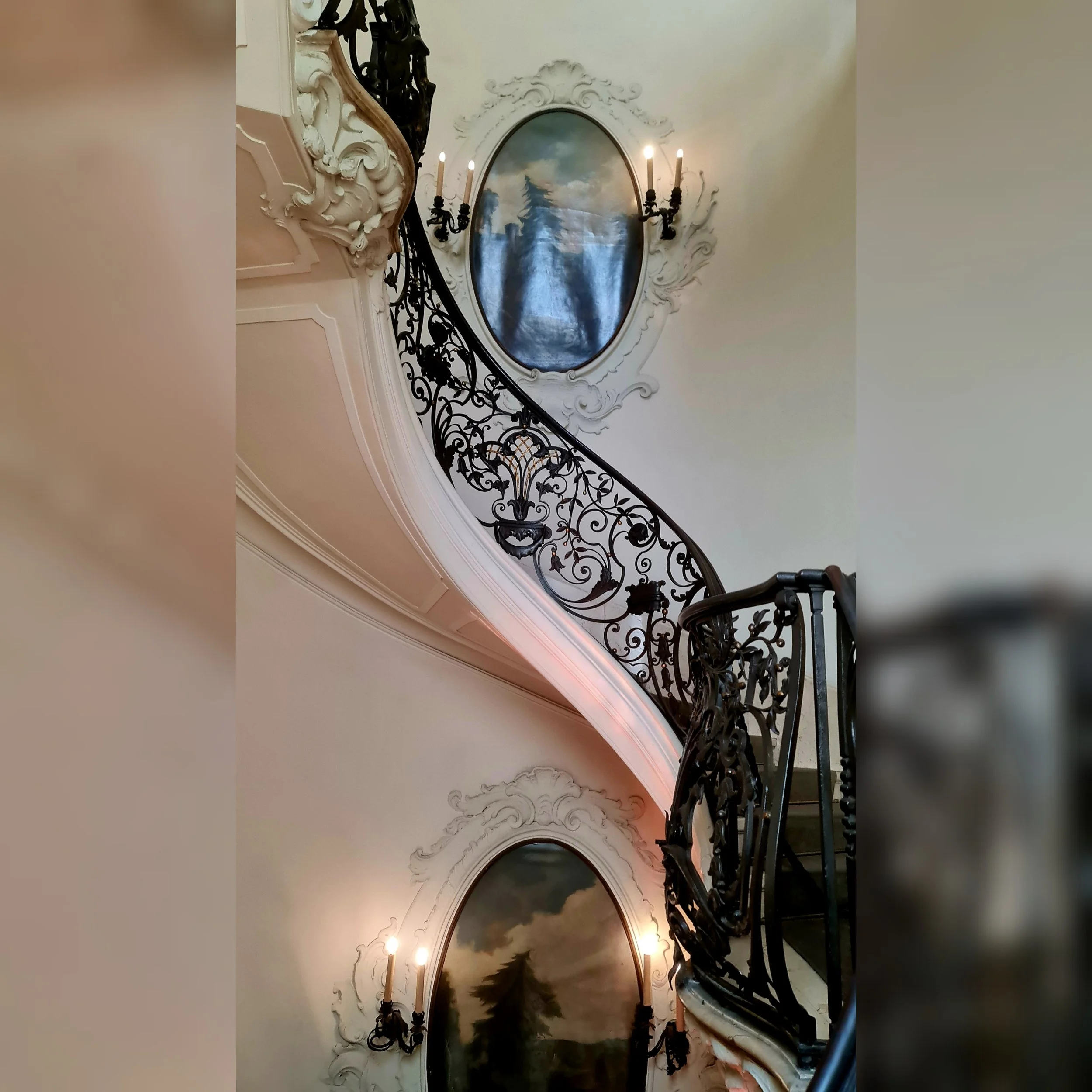
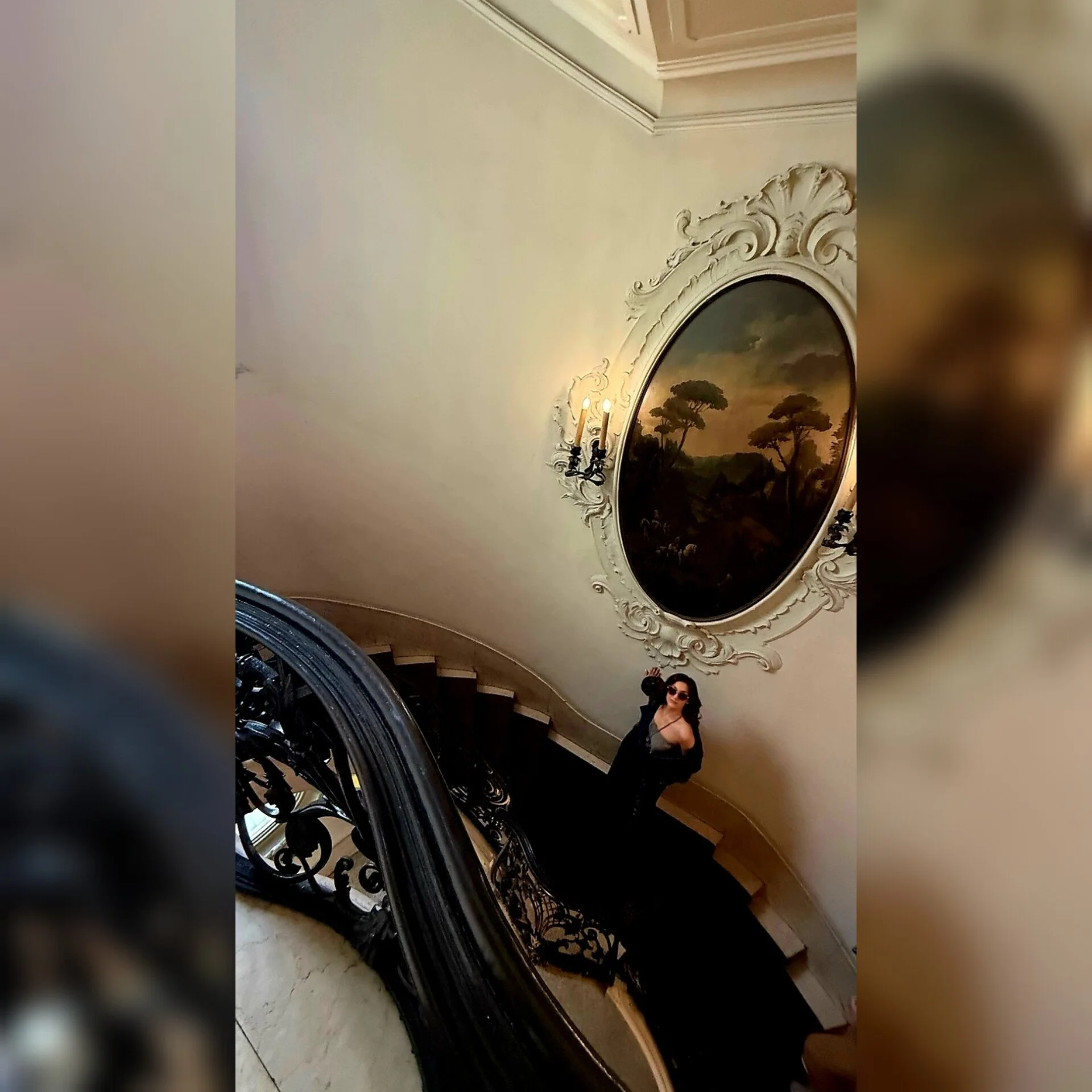
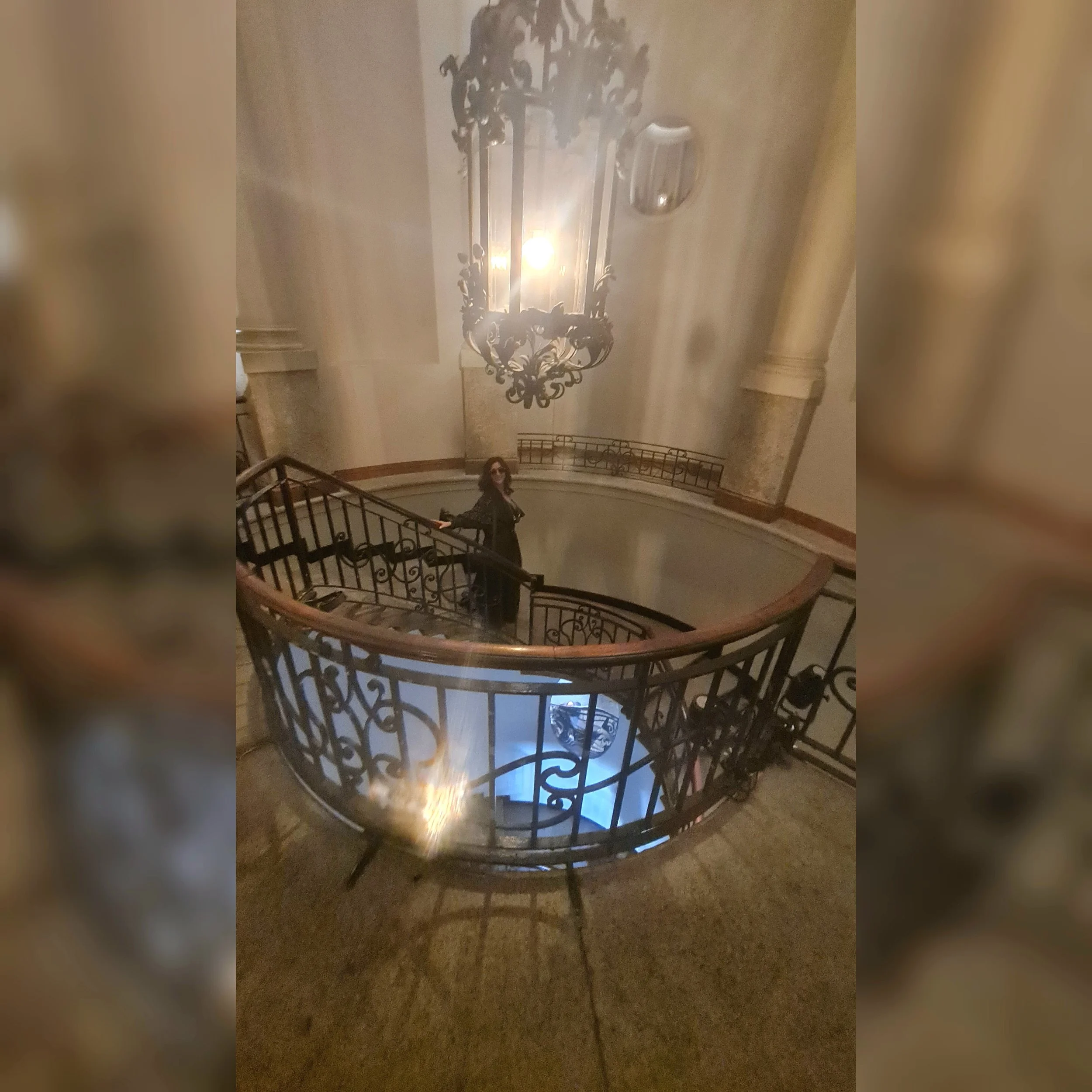
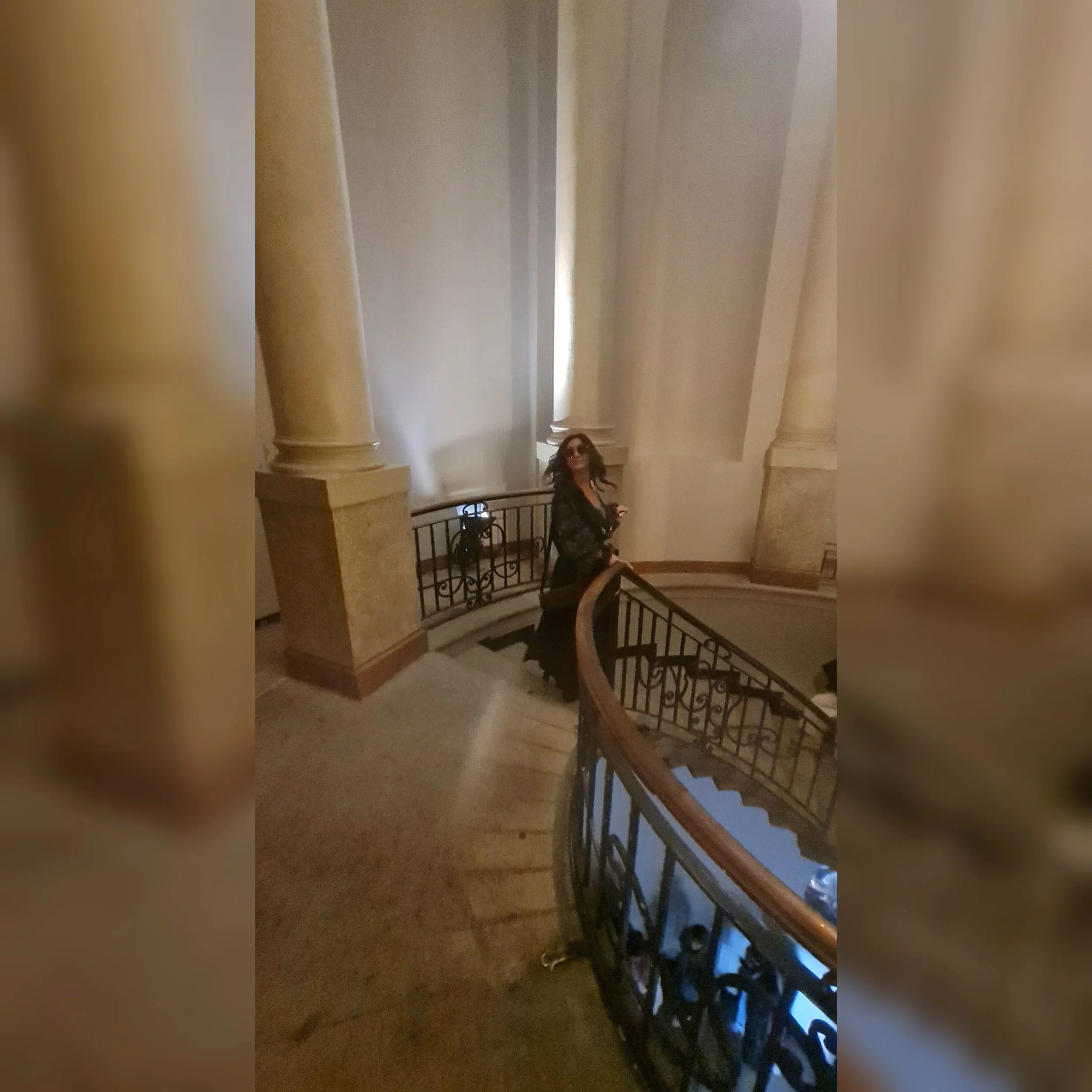
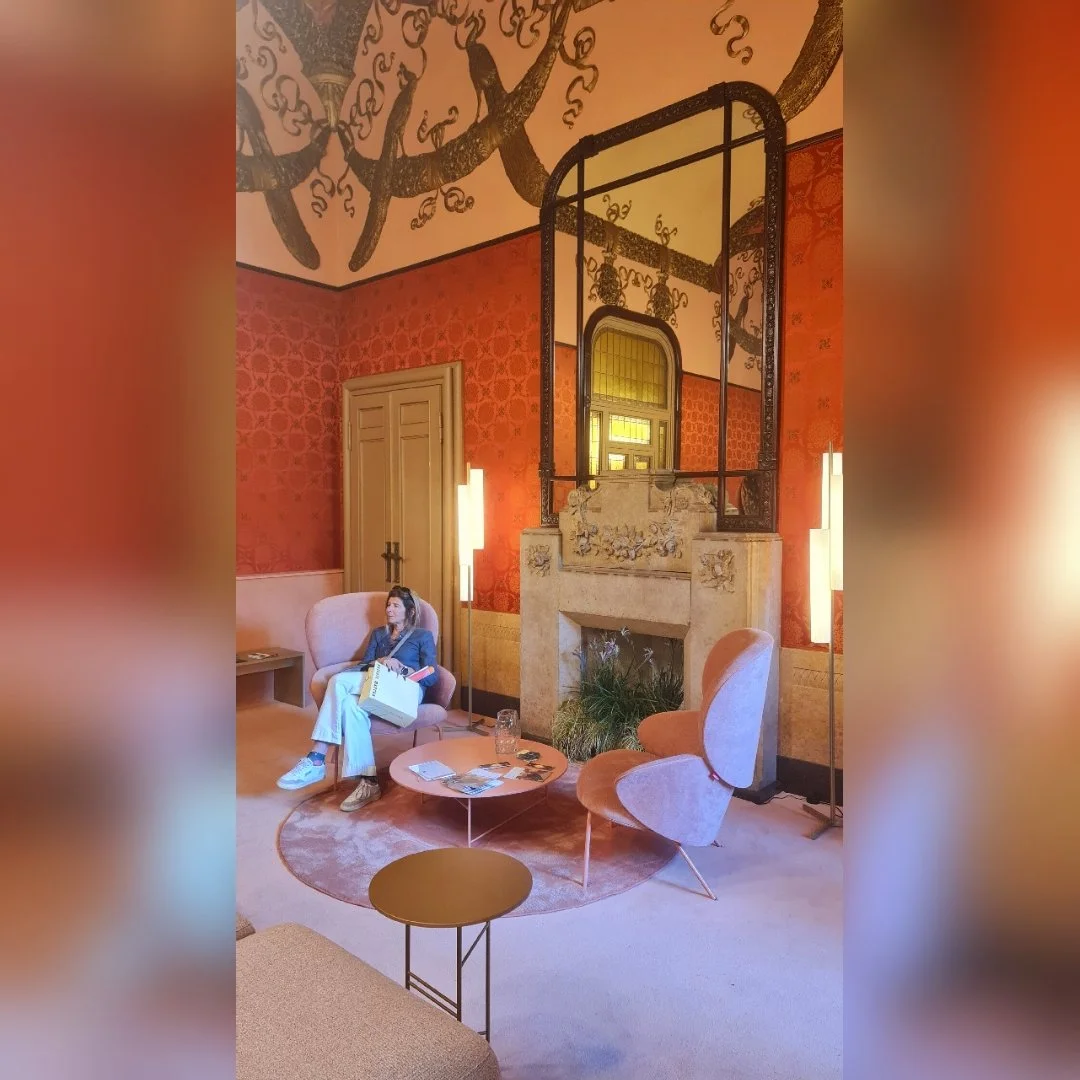
From the moment I step inside, there is a sense of suspended time. The architecture itself—ornate ceilings, sculptural staircases, softened daylight—becomes an active participant. Rather than competing with it, the contemporary interventions seem to lean into its presence, amplifying its character.

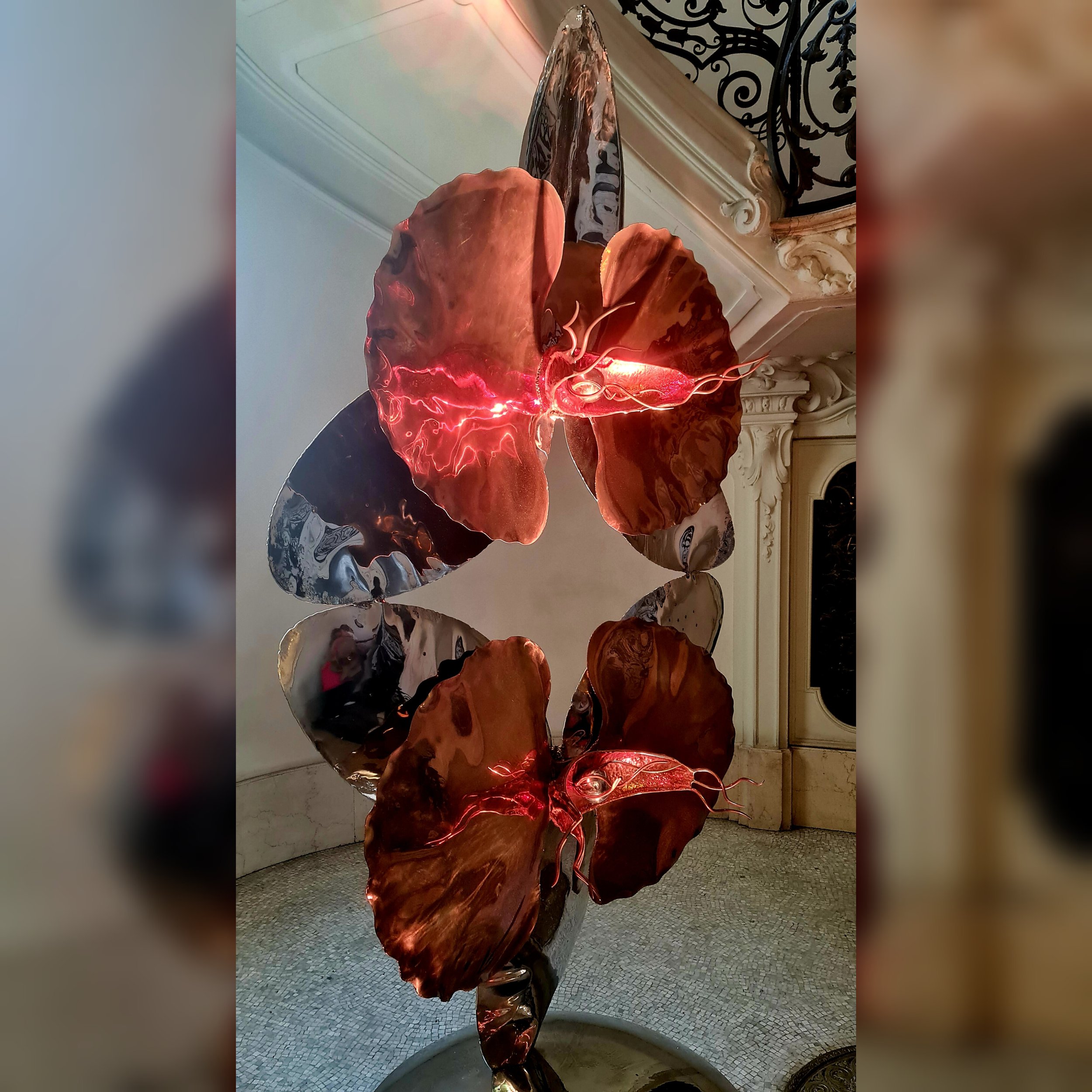
A dramatic sculptural composition greets the visitor in the stair hall—polished metal surfaces, organic and almost visceral in form, intersected by glowing red elements that feel alive, pulsating. It is a striking contrast to the classical envelope, yet somehow entirely at ease within it. This tension—between heritage and experimentation—runs throughout the entire apartment.

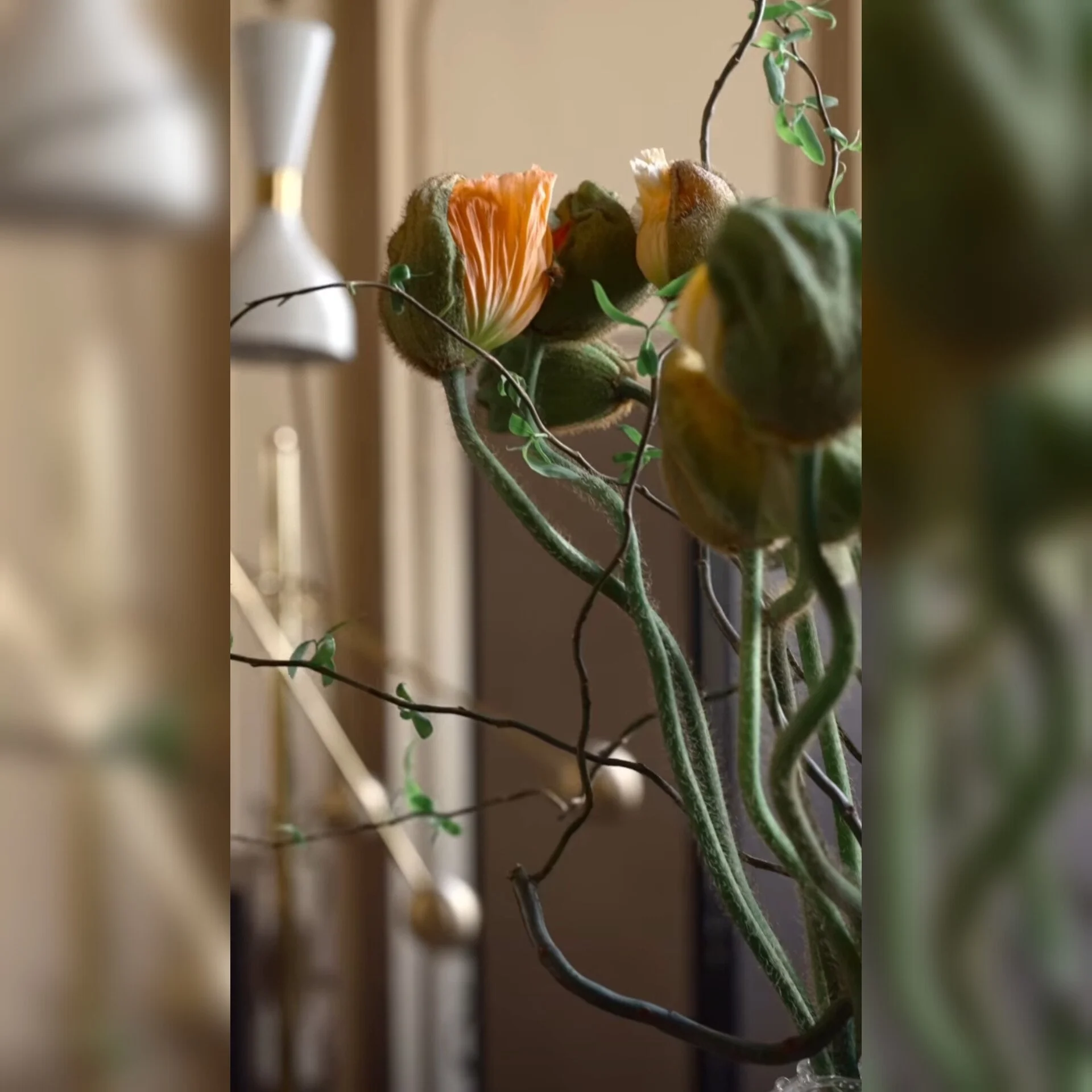
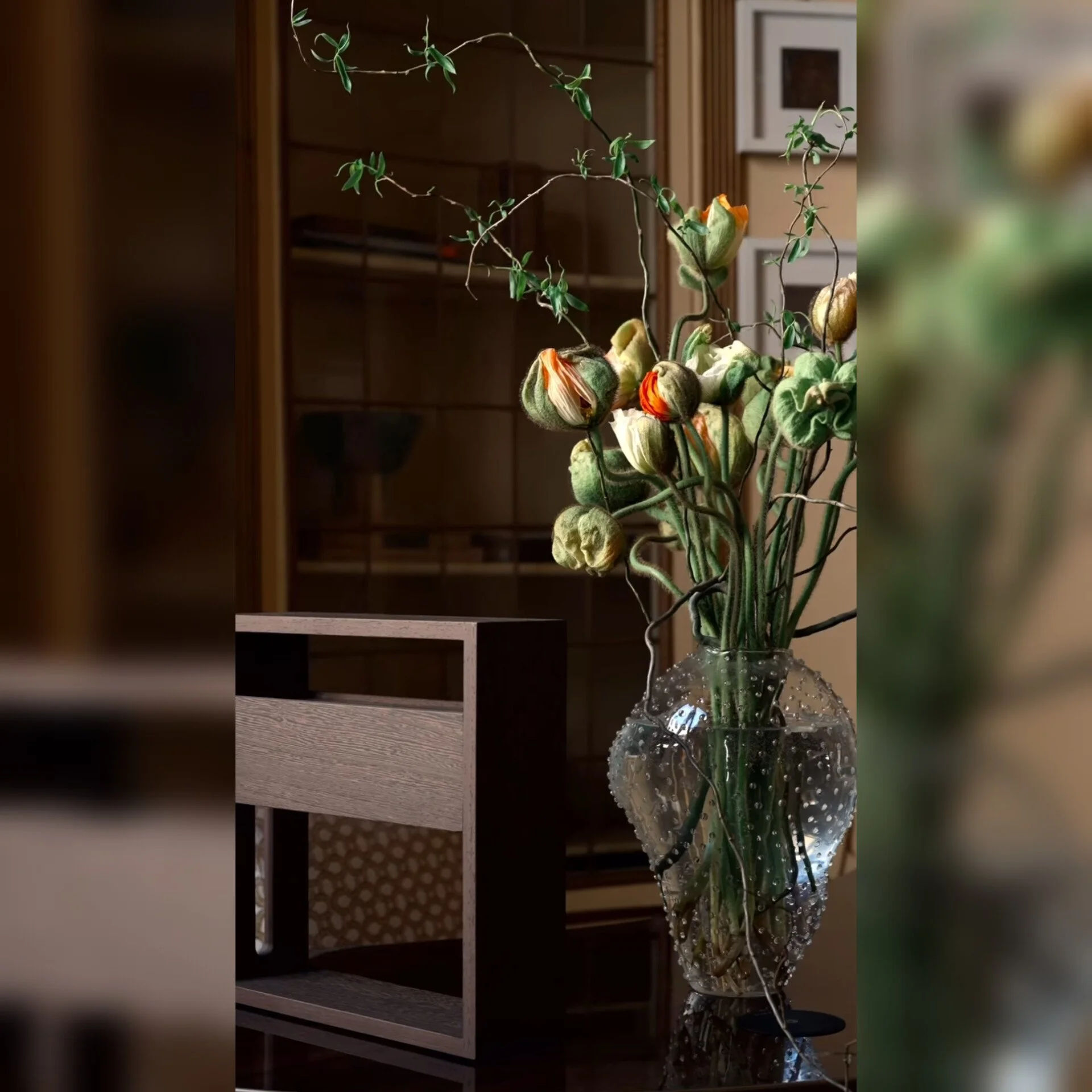
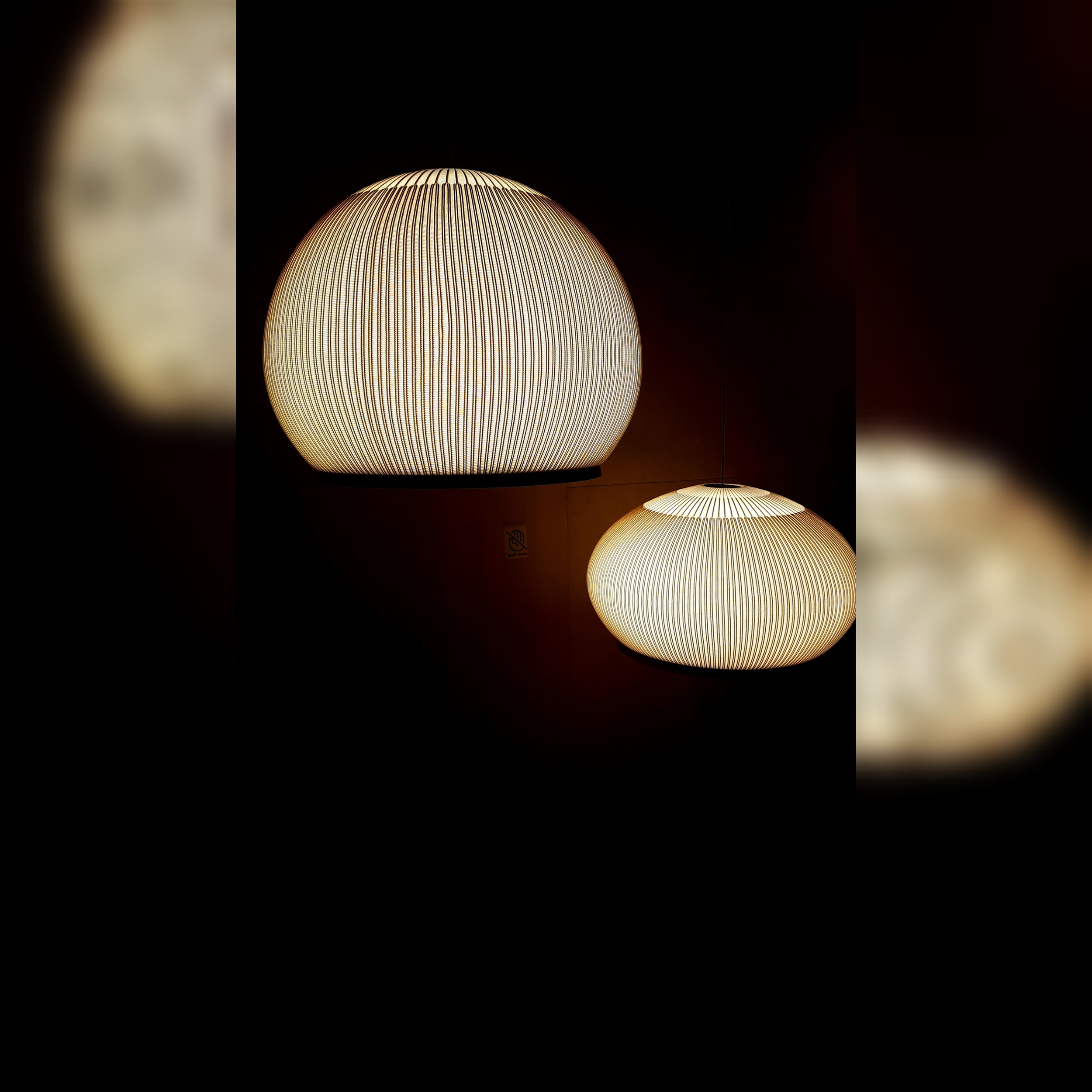
Moving deeper, the atmosphere shifts into intimacy. In one of the salons, light is filtered through layers of suspended botanical elements, casting a warm, amber glow across marble surfaces and velvet upholstery. The effect is immersive, almost dreamlike—as if the room exists somewhere between interior and landscape.

What makes L’Appartamento by Artemest particularly compelling is its curatorial precision. Each room is entrusted to a distinct voice:

Romanek Design Studio
Studio Shamshiri
1508 London
Champalimaud Design
Nebras Aljoaib
MMeyer Davisis

Each interpretation is distinct, yet none feels isolated. There is a shared sensibility—an understanding that luxury today is not about display, but about atmosphere, tactility, and emotional resonance.

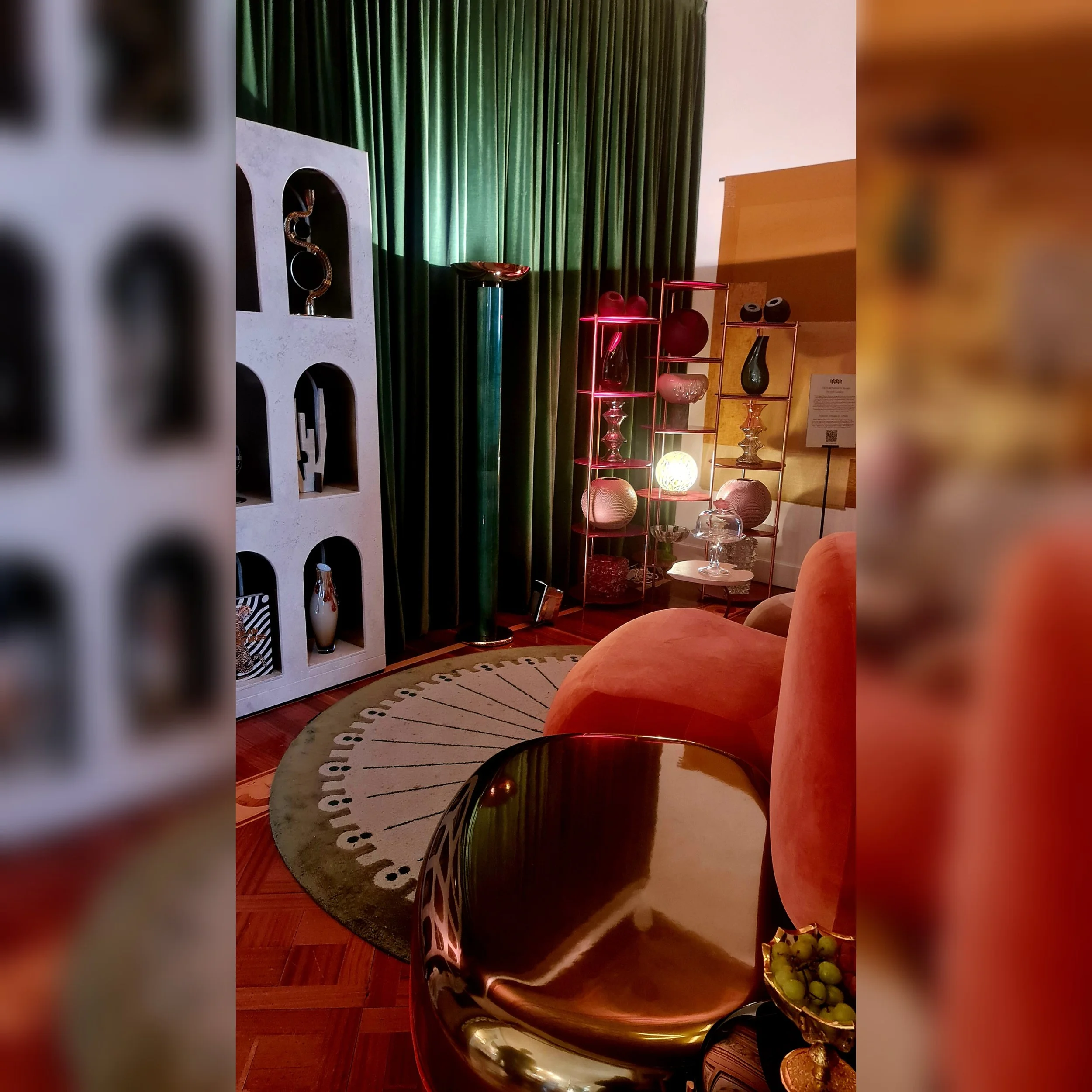
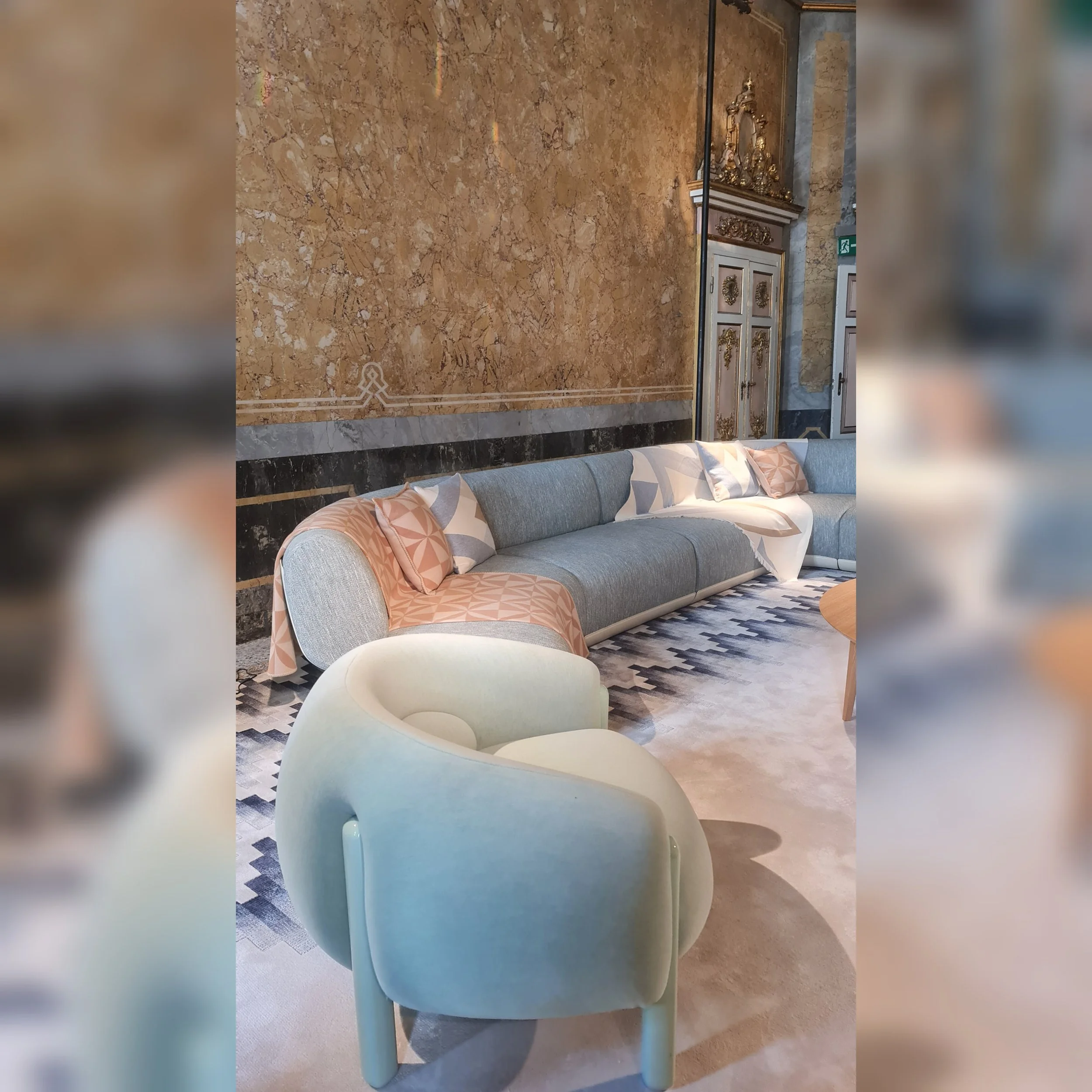
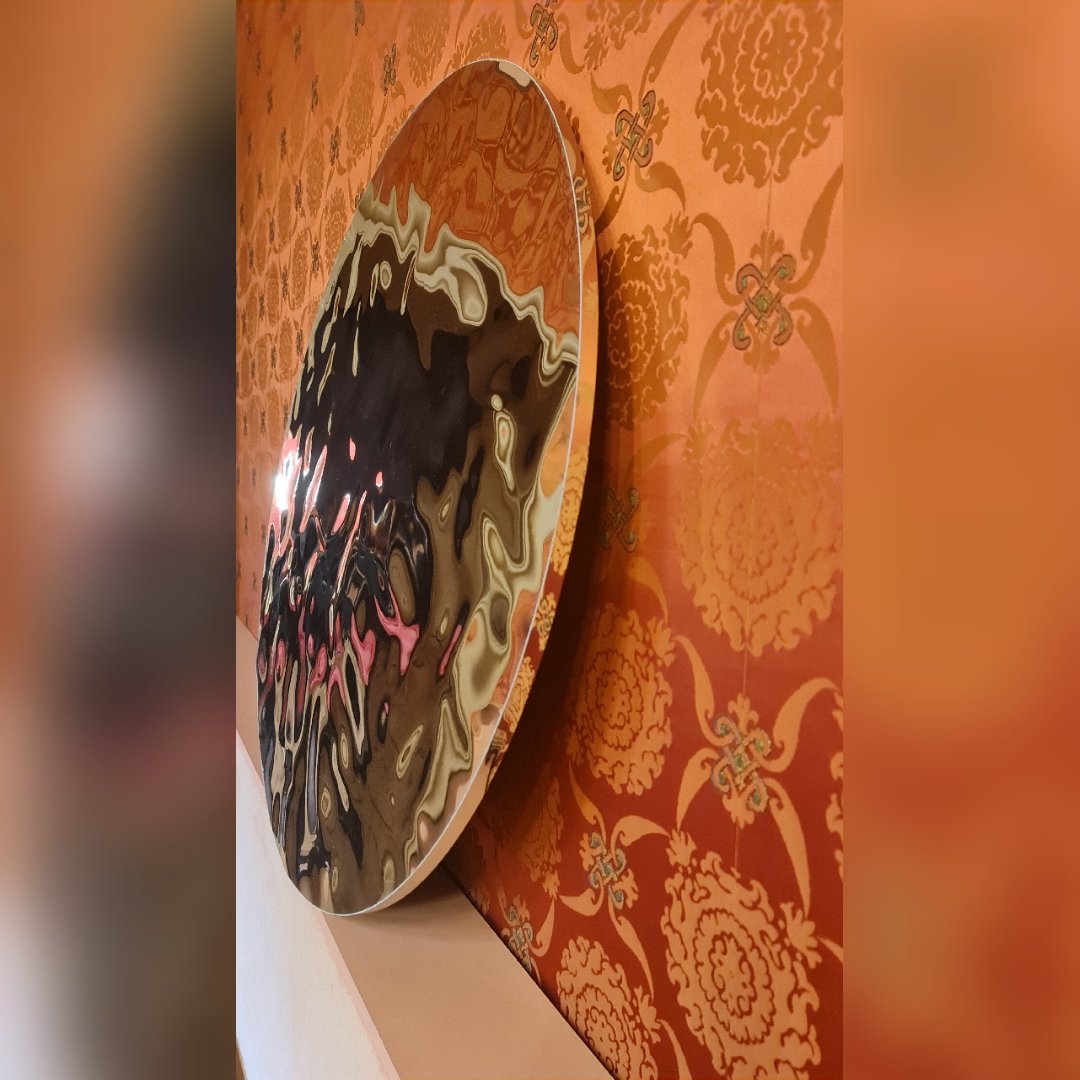
In one room, mirrored compositions and layered artworks create a dialogue between reflection and identity. In another, furniture pieces—soft, rounded, almost sculptural—anchor the space with a sense of quiet comfort. Materials are rich but never excessive: polished metals, lacquered surfaces, deep textiles, stone that feels almost liquid under light.

What stays with me most is the pacing. The installation does not reveal itself immediately. It asks you to slow down, to notice transitions—the way light shifts from one room to another, the way textures respond to touch, the way each designer interprets the idea of “home” through a different cultural lens.

In the context of Milan Design Week 2025, where spectacle often dominates, this feels like a more intimate gesture. A reminder that design, at its most powerful, is not only seen—it is experienced, absorbed, and remembered long after you leave the space.


Design & Lifestyle editor: ELENA L GEORGIEVA

View Event →
MILAN DESIGN WEEK - LOUIS VUITTON, Objets Nomades
Apr
8
to Apr 13

MILAN DESIGN WEEK - LOUIS VUITTON, Objets Nomades

  • Louis Vuitton Objets Nomades (map)
  • Google Calendar ICS

📍 Palazzo Serbelloni, Corso Venezia 16, Milan

There are moments during Milan Design Week 2025 when design stops being an object and becomes an atmosphere—something you step into rather than observe. The presentation of Louis Vuitton Objets Nomades does precisely that, unfolding inside the historic setting of Palazzo Serbelloni, Corso Venezia 16, Milan with a quiet confidence that feels both playful and impeccably controlled.

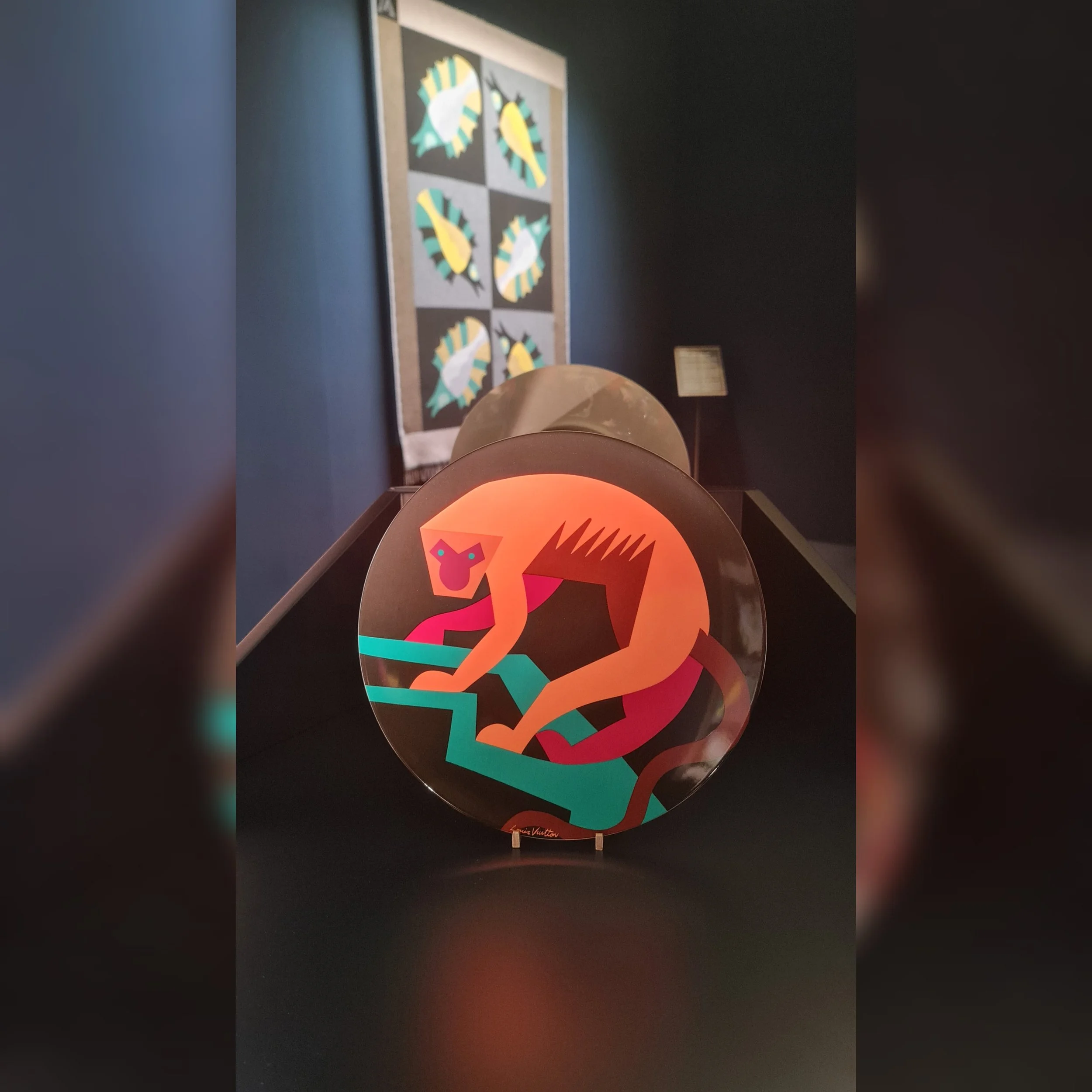
From the very first room, the narrative is clear: this is not a conventional exhibition, but a curated sequence of experiences where travel, craftsmanship, and imagination intersect. The scenography moves between intimacy and spectacle—each piece given space to breathe, yet always part of a larger composition that feels cinematic in its pacing.

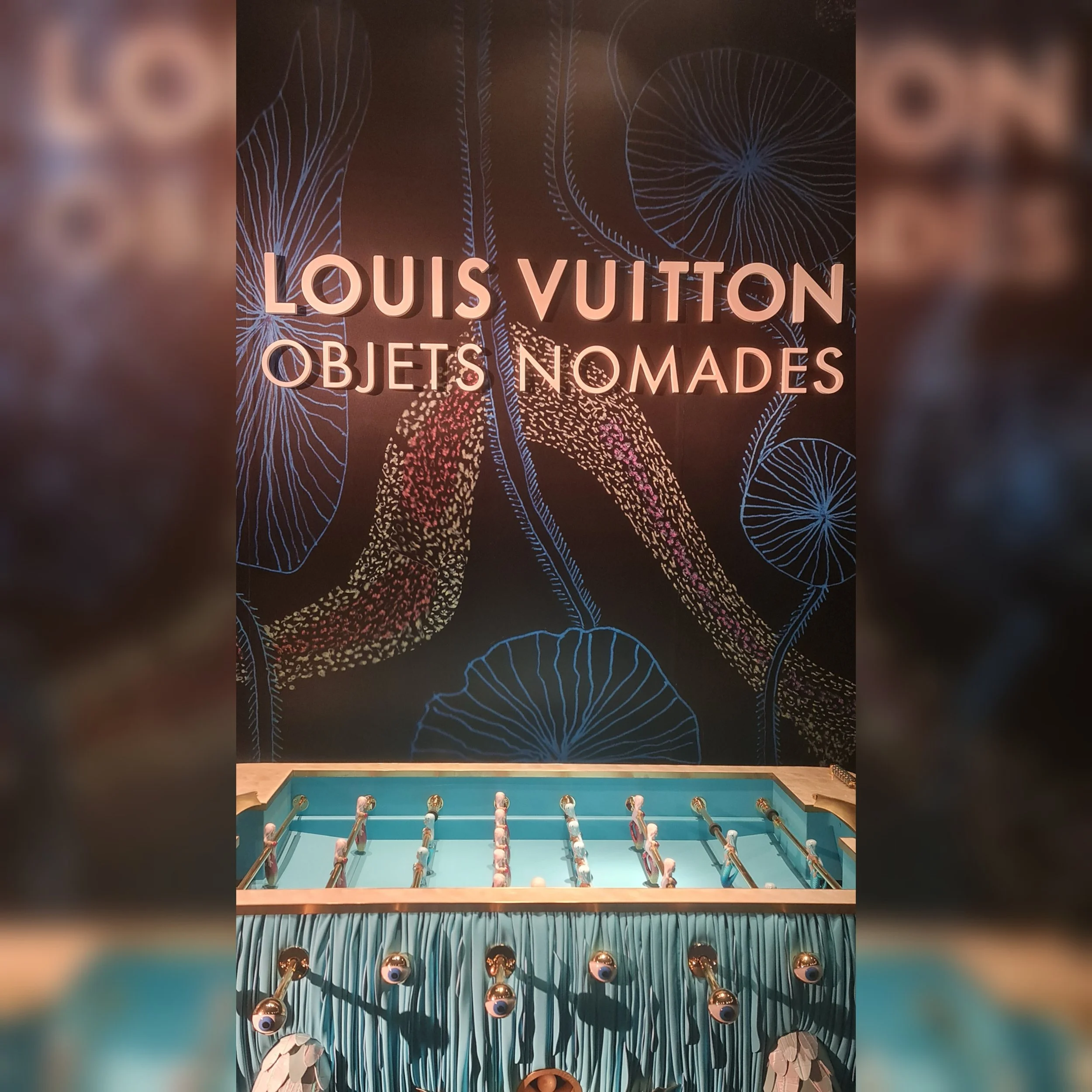
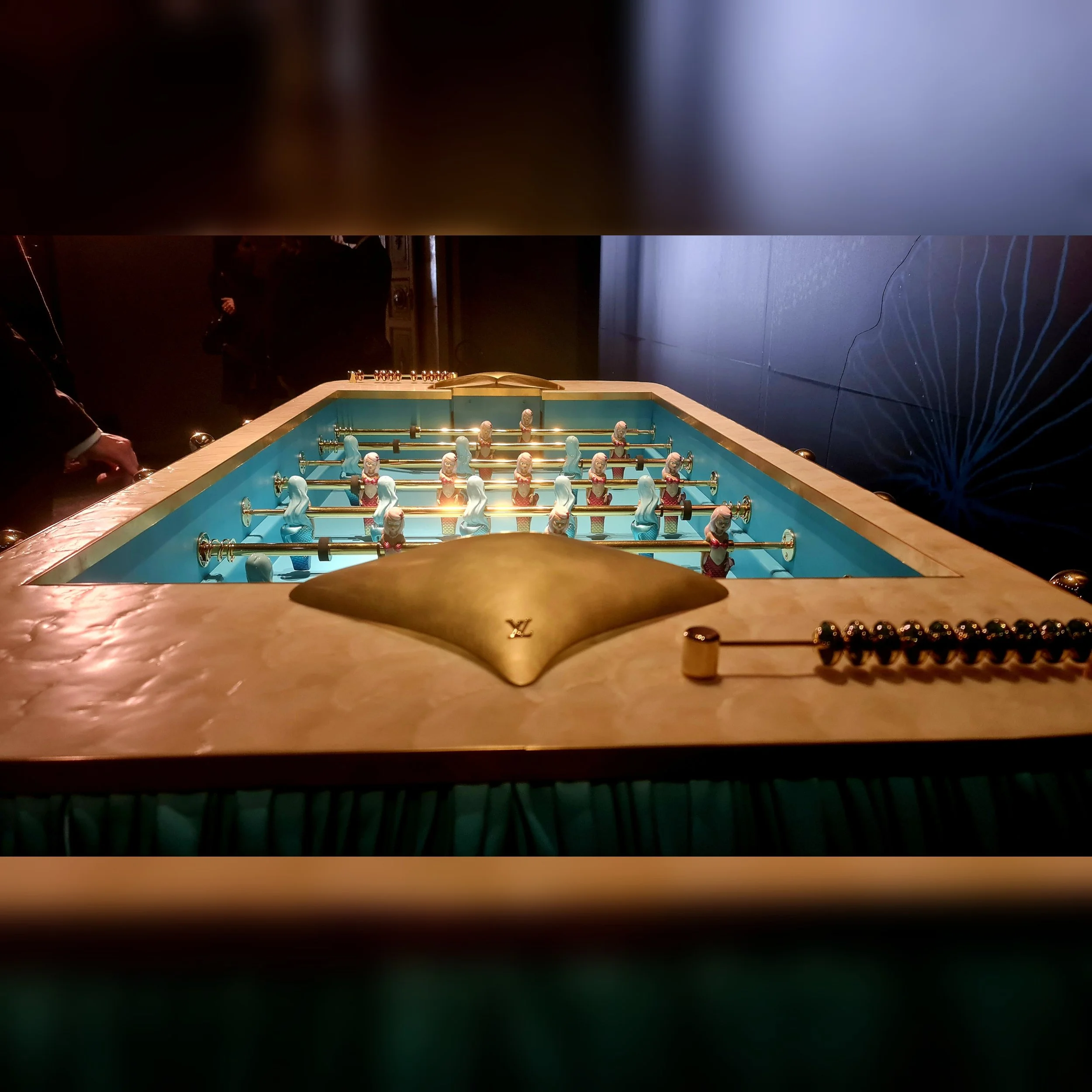
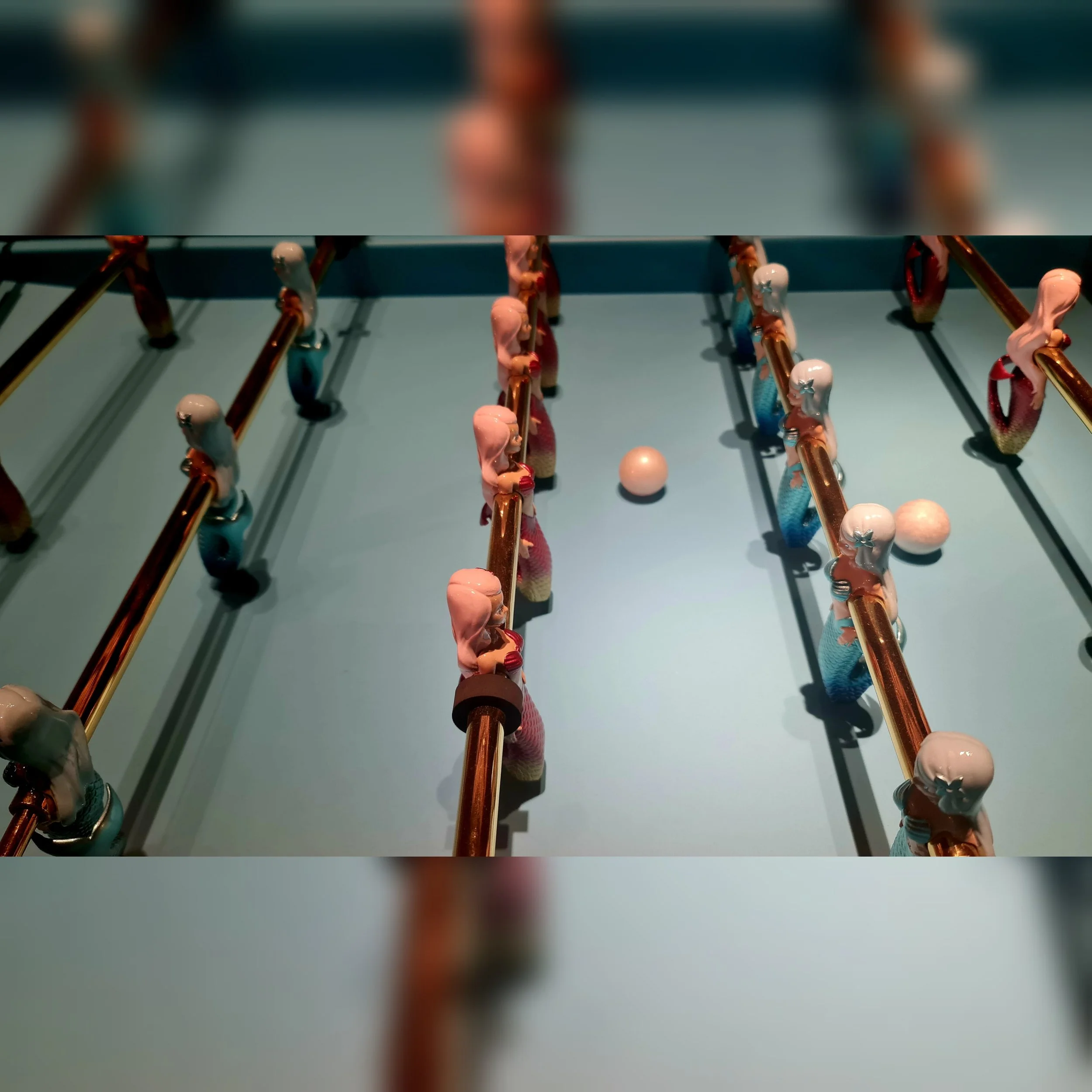
One of the most captivating moments emerges around the reinterpretation of leisure itself—a foosball table transformed into a collectible object. Upholstered in soft turquoise tones with sculptural detailing, it balances irony and refinement. The figures, almost surreal in their stylisation, turn a familiar game into a design statement. It’s a gesture that perfectly encapsulates the spirit of Objets Nomades: elevating the everyday into something unexpected, without losing its sense of joy.

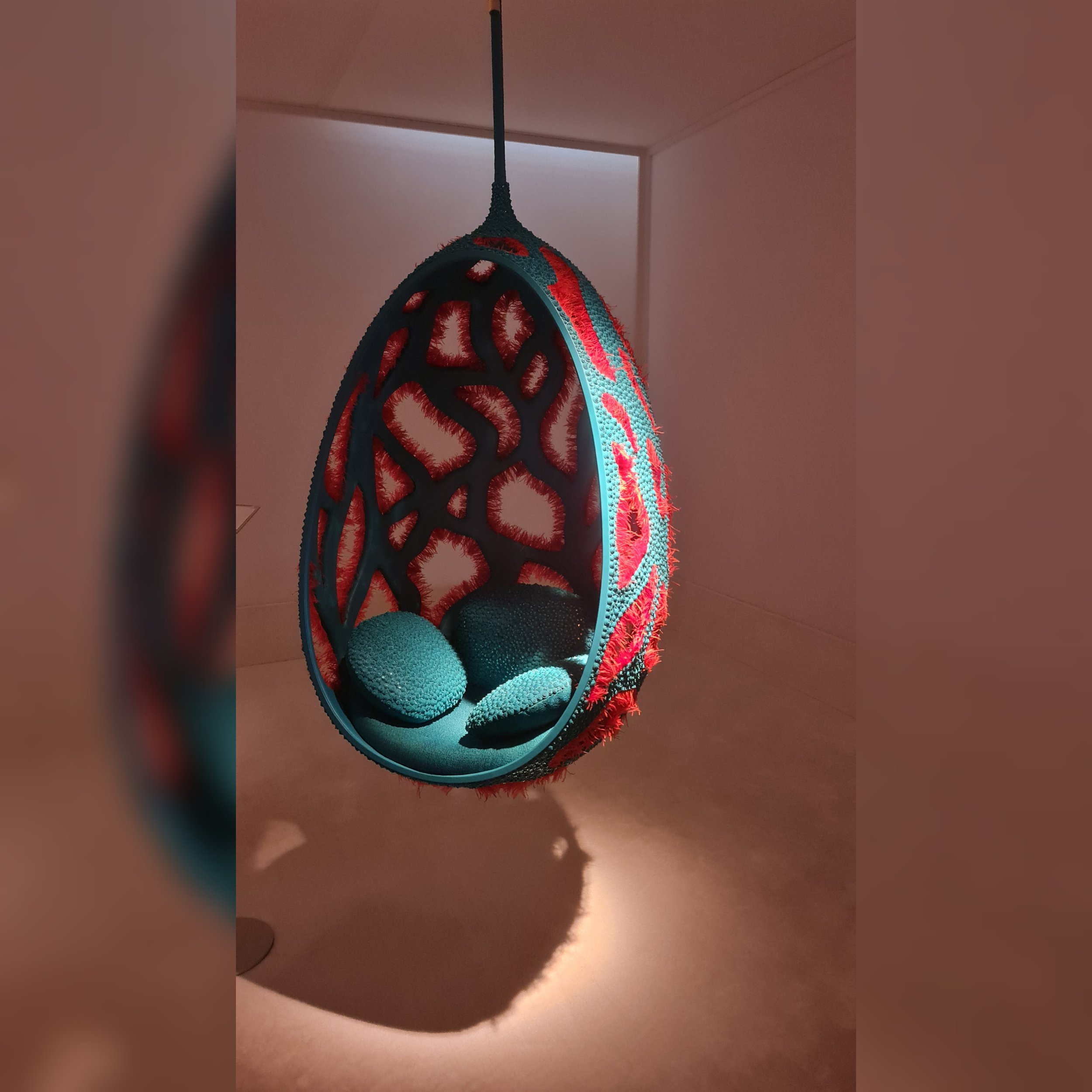
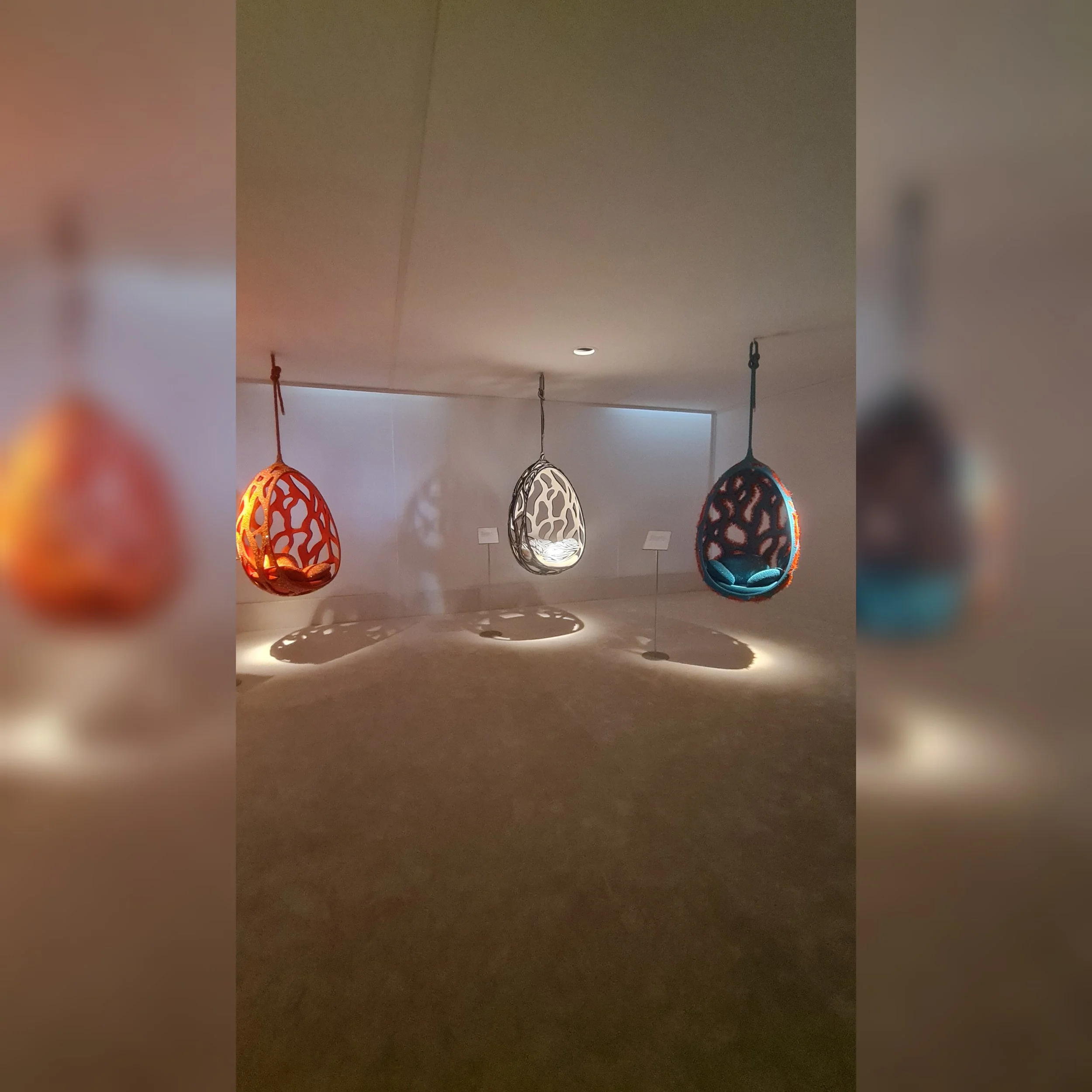
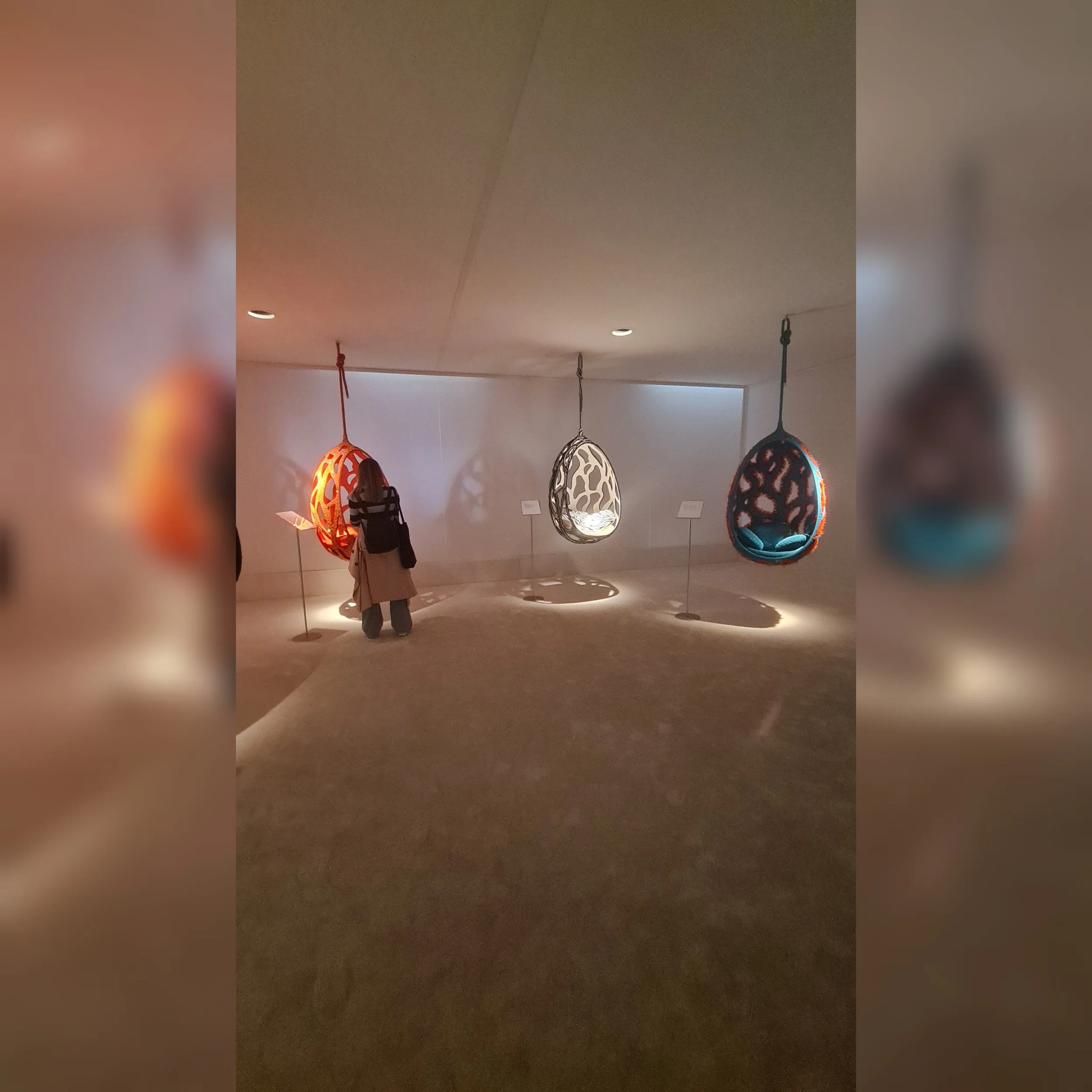
This dialogue between playfulness and precision continues throughout the exhibition. The iconic suspended cocoon seats—designed by Fernando Campana and Humberto Campana—hover like inhabitable sculptures, their intricate surfaces filtering light into soft, organic shadows. Nearby, works by Patricia Urquiola and India Mahdavi introduce a more chromatic sensibility, where colour becomes both structure and emotion.

What makes this year’s presentation particularly compelling is the tension between the historic architecture of the palazzo and the contemporary language of the pieces. Ornate ceilings, frescoes, and grand chandeliers frame objects that feel almost futuristic in their materiality. Rather than competing, the two layers amplify one another—heritage lending depth, while design injects a sense of immediacy.

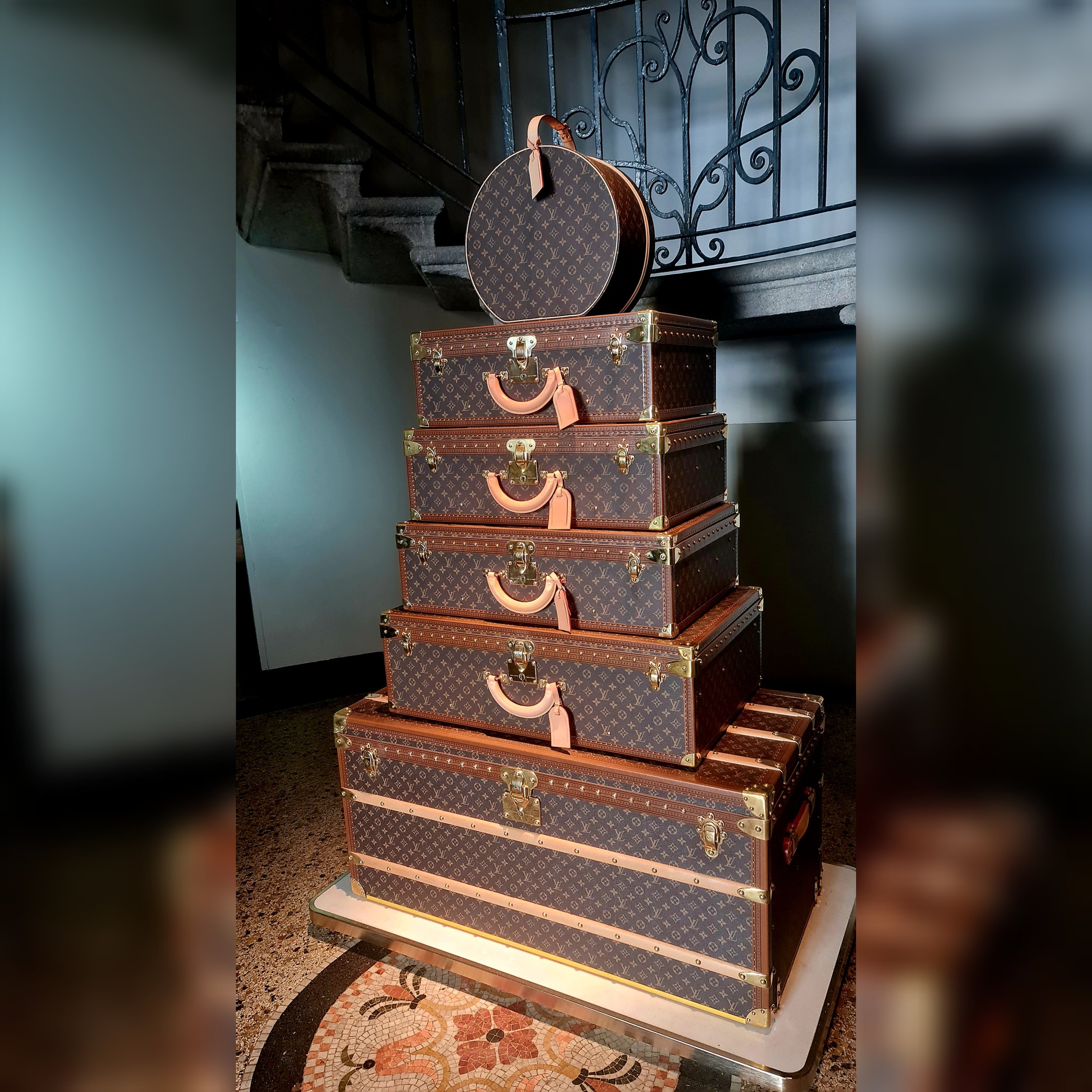
The famous Louis Vuitton trunks, displayed in sculptural compositions, serve as a subtle anchor throughout the journey. They remind you that this entire universe—no matter how experimental—remains rooted in travel. Not as movement from one place to another, but as a mindset: curiosity, transformation, and the desire to explore.

Even the quieter moments—the carefully styled tables, the interplay of textures, the precise choreography of lighting—feel intentional, almost meditative. Nothing is overstated. Every detail contributes to an atmosphere that is both luxurious and disarmingly human.

Walking through the exhibition, I had the sense that Objets Nomades is less about objects and more about possibilities. About how design can reshape rituals, redefine comfort, and introduce a layer of poetry into the most functional aspects of life.

And perhaps that is its most enduring quality: it doesn’t ask to be admired from a distance. It invites you in—gently, elegantly—and once inside, it lingers.


Design & Lifestyle editor: ELENA L GEORGIEVA

View Event →
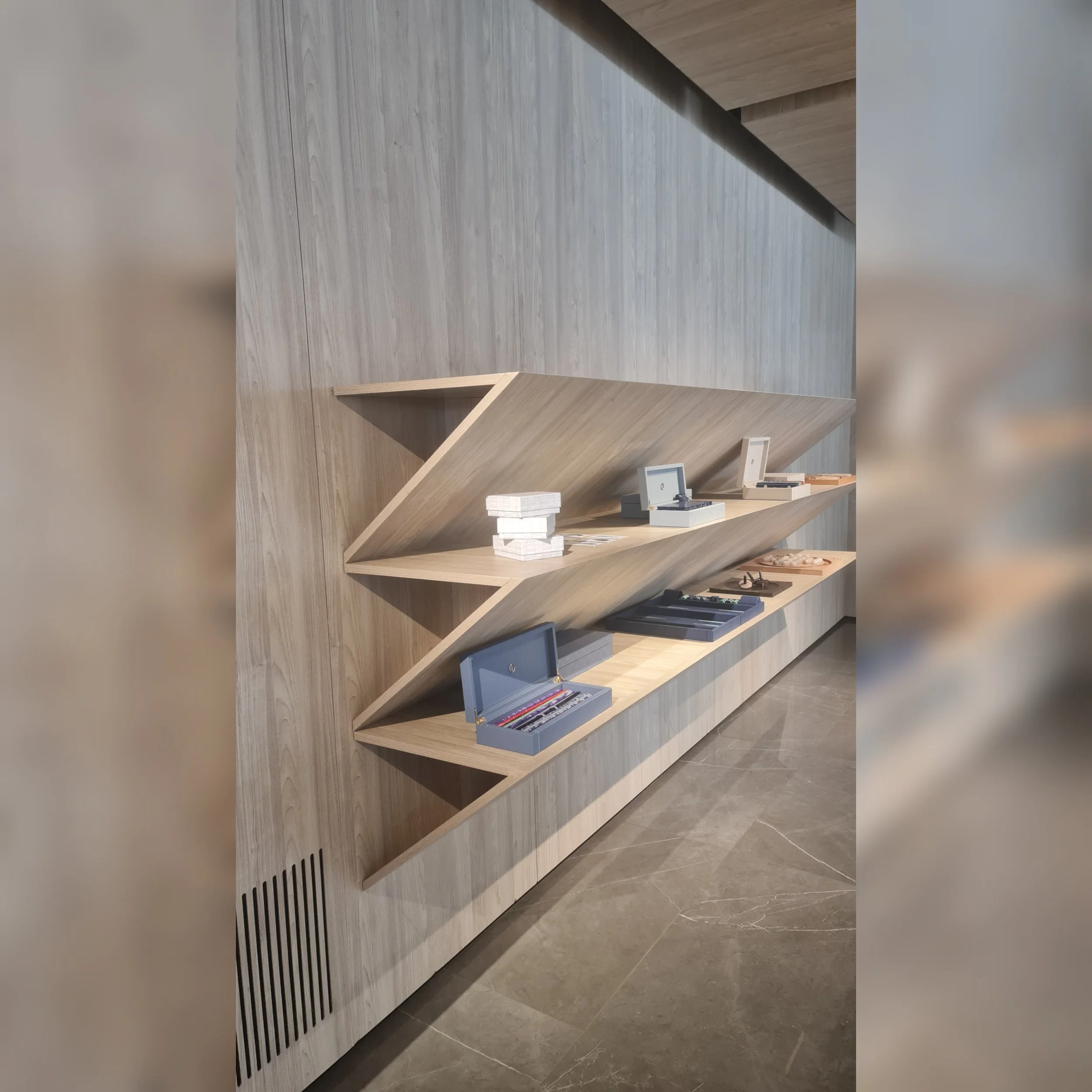
MILAN DESIGN WEEK 2025 - ARMANI/CASA
Apr
8
to Apr 13

MILAN DESIGN WEEK 2025 - ARMANI/CASA

📍Corso Venezia 14, Milan

There is a particular kind of silence inside the Armani/Casa installation this year—one that feels deliberate, almost composed. Not empty, but distilled. As if every element has been reduced to its most essential expression, and anything unnecessary has been quietly removed.

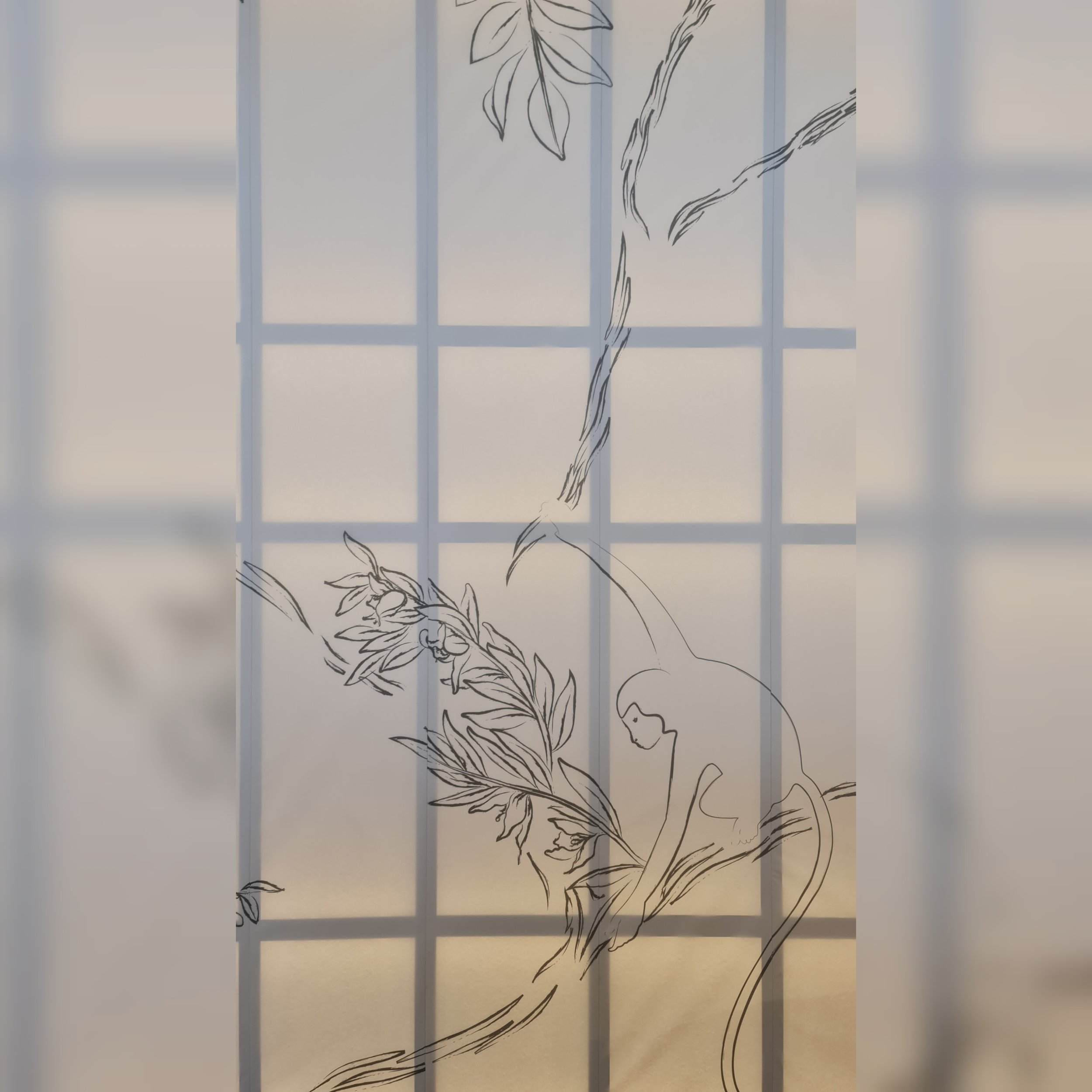
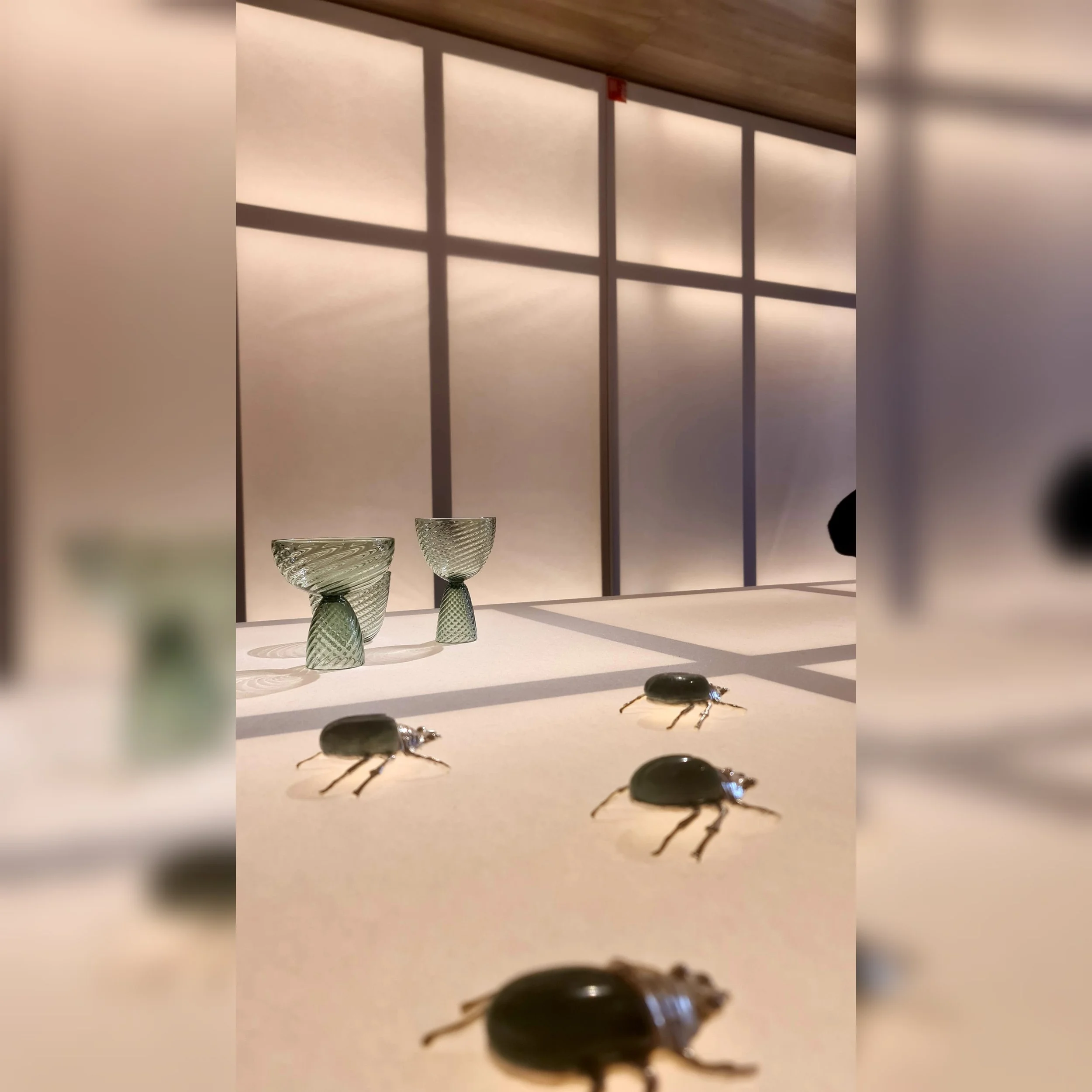
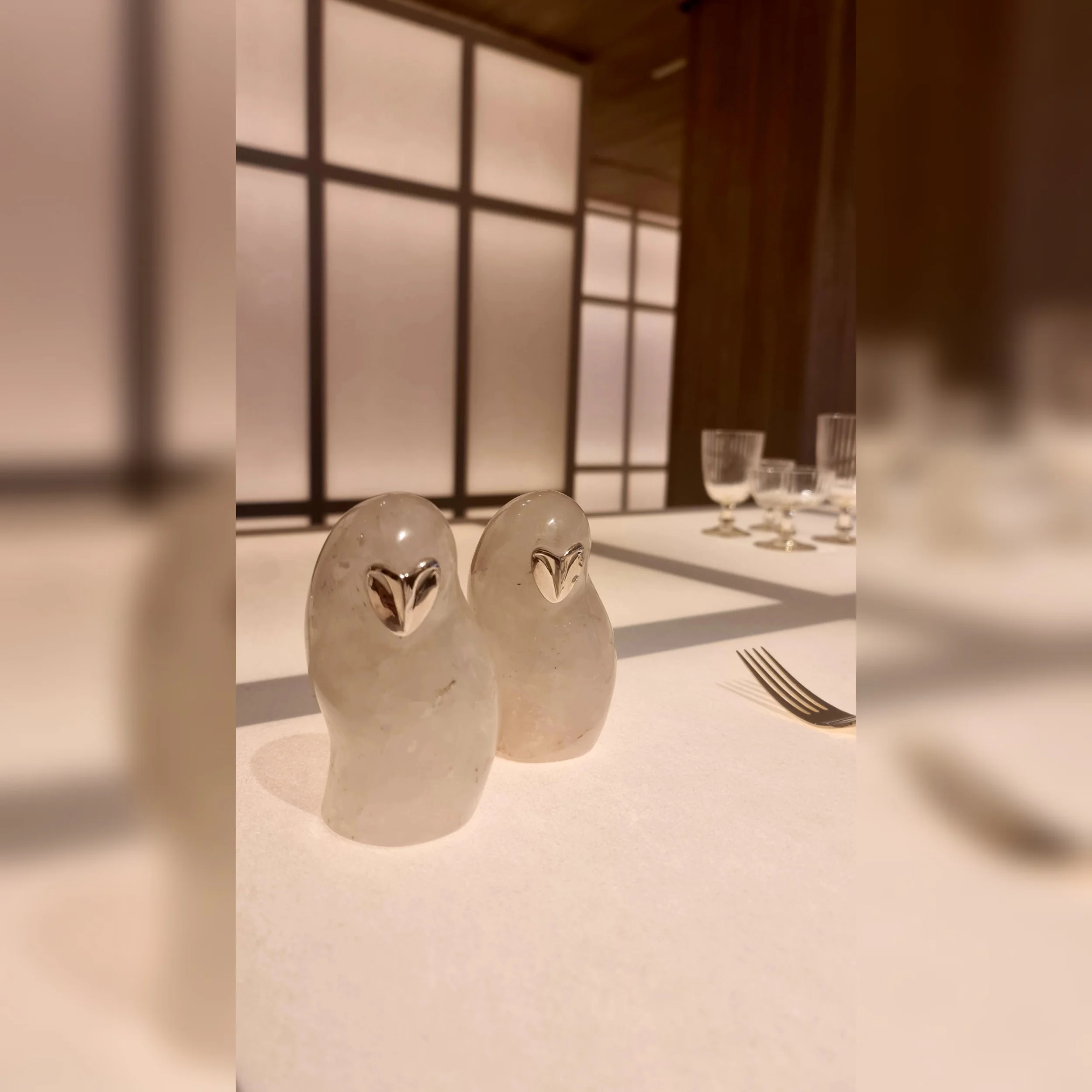
At Corso Venezia 14, Milan, during Milan Design Week 2025, the experience unfolds as a sequence of softly illuminated rooms—each one defined less by objects, and more by atmosphere. Light is diffused through architectural panels reminiscent of shoji screens, creating a grid of shadows that shifts subtly as you move. It is not dramatic, yet deeply immersive.

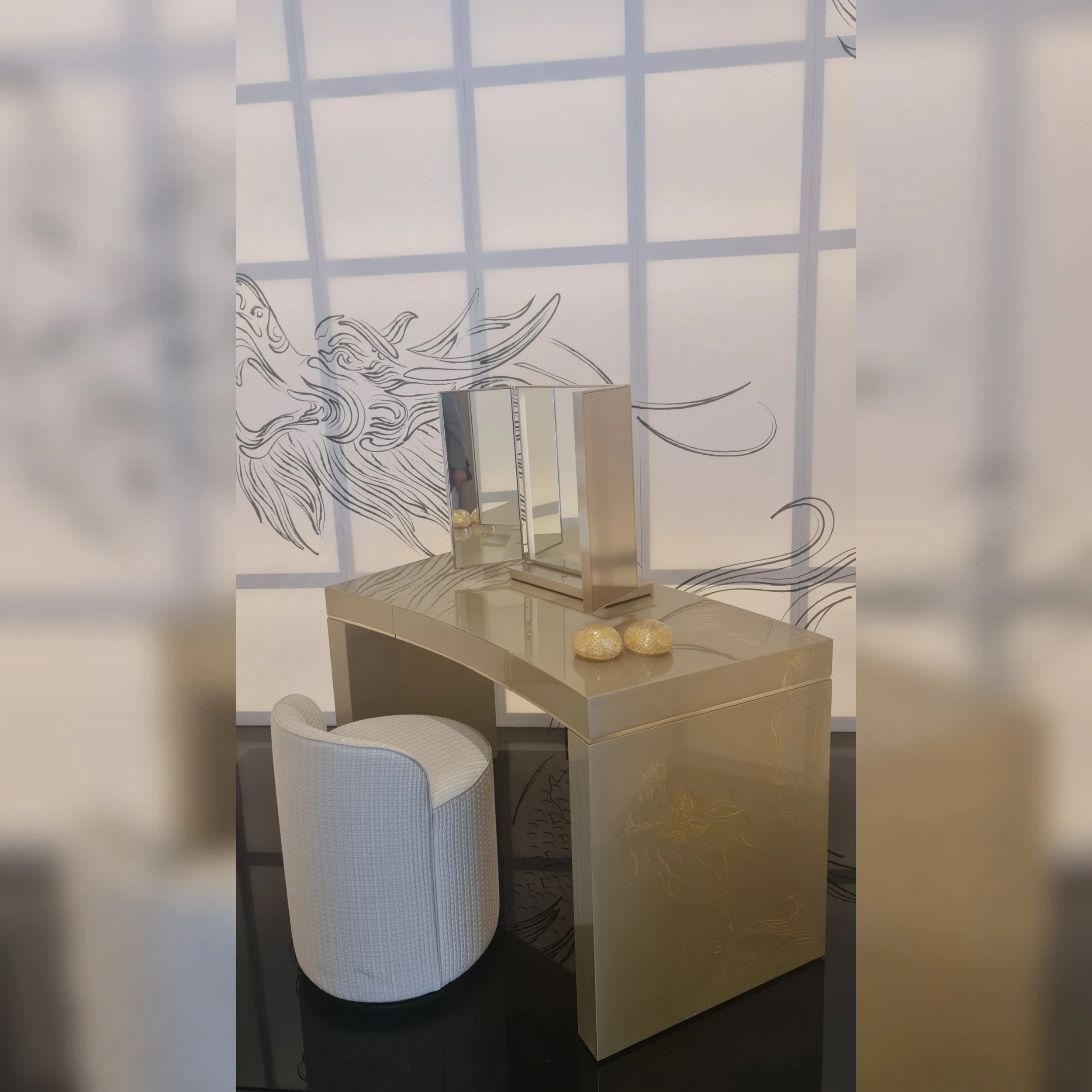
What immediately draws me in is the tactility. Surfaces are not just seen, they are felt—even from a distance. Silk, lacquer, brushed metal, and finely worked wood coexist in a palette that remains unmistakably Armani: restrained, but never austere.

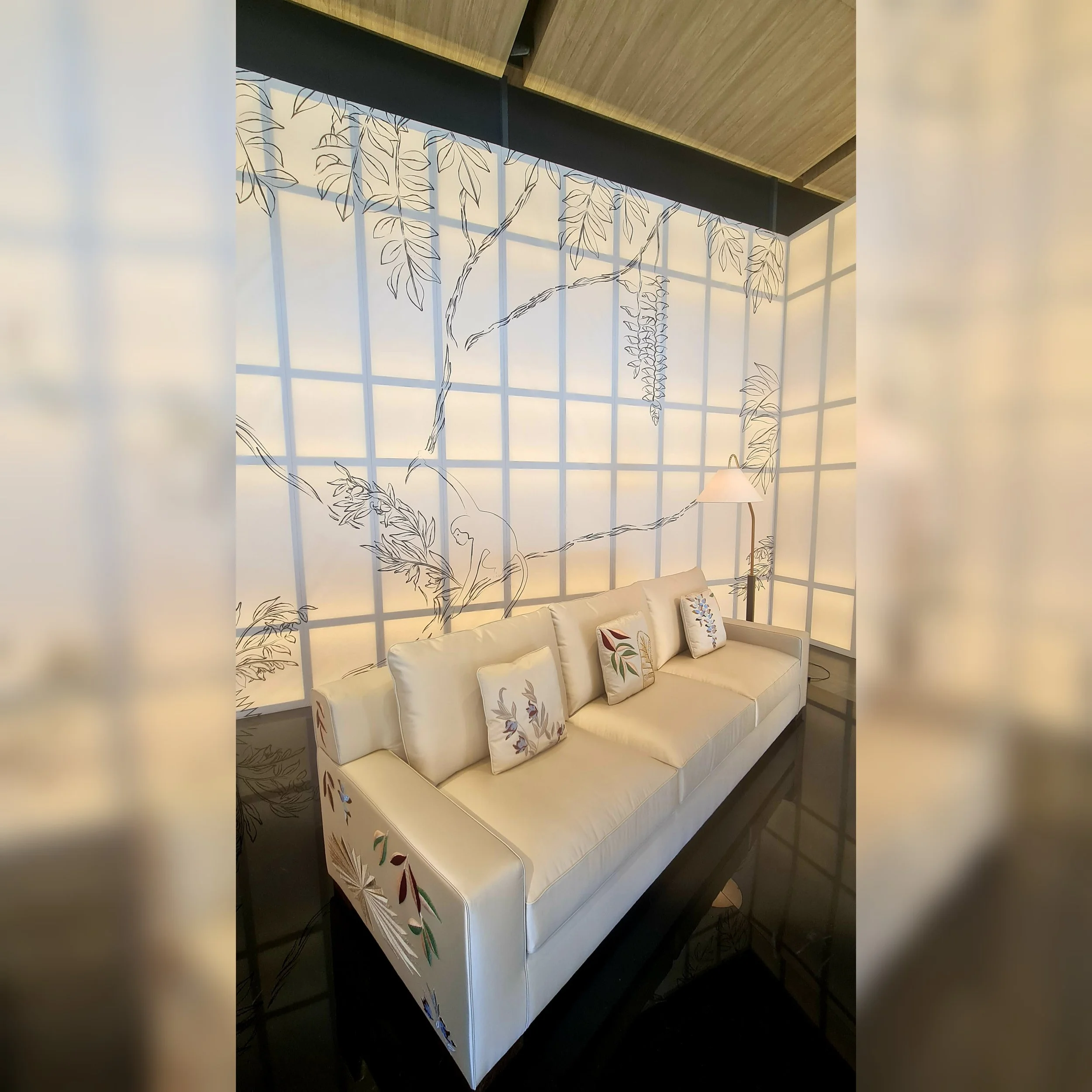
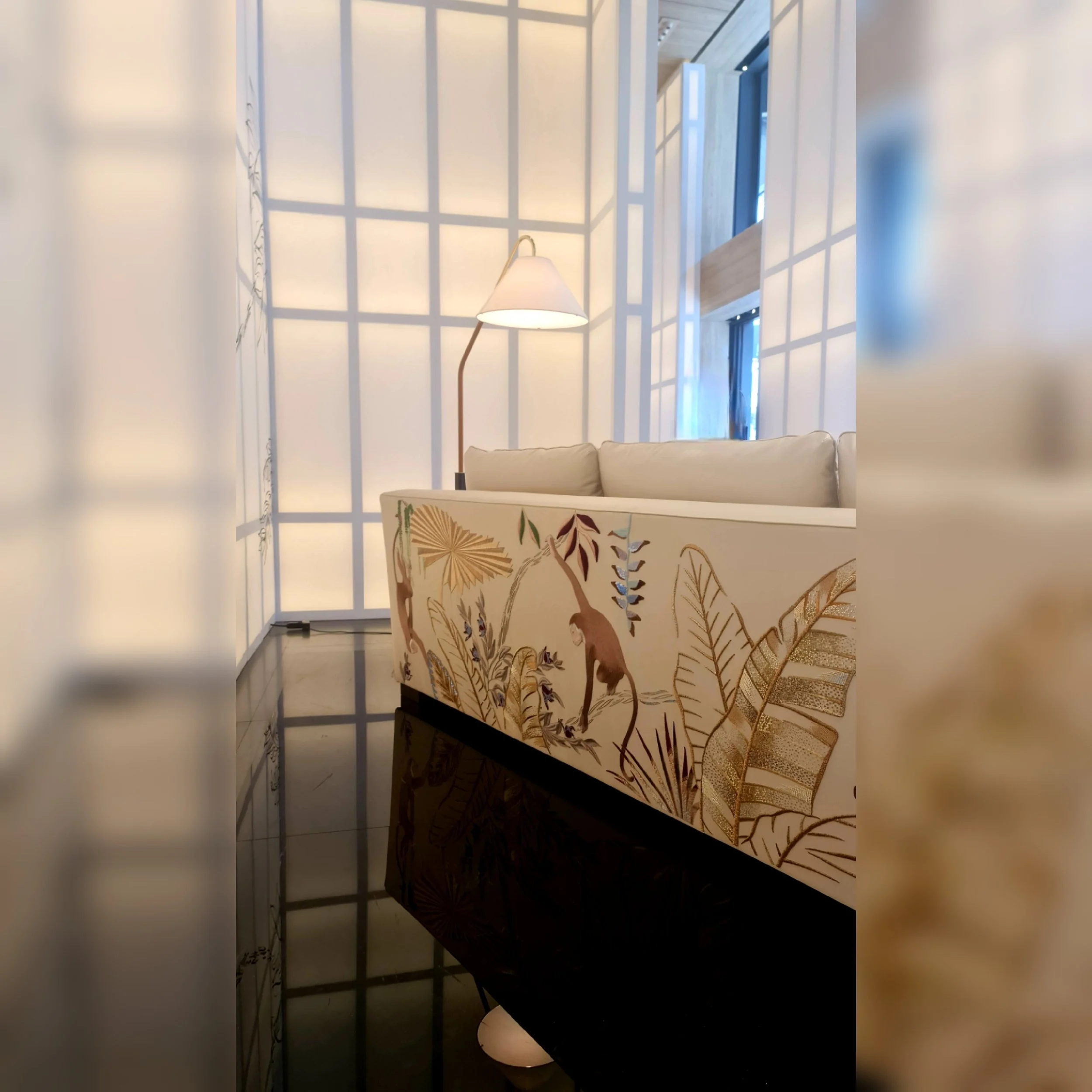
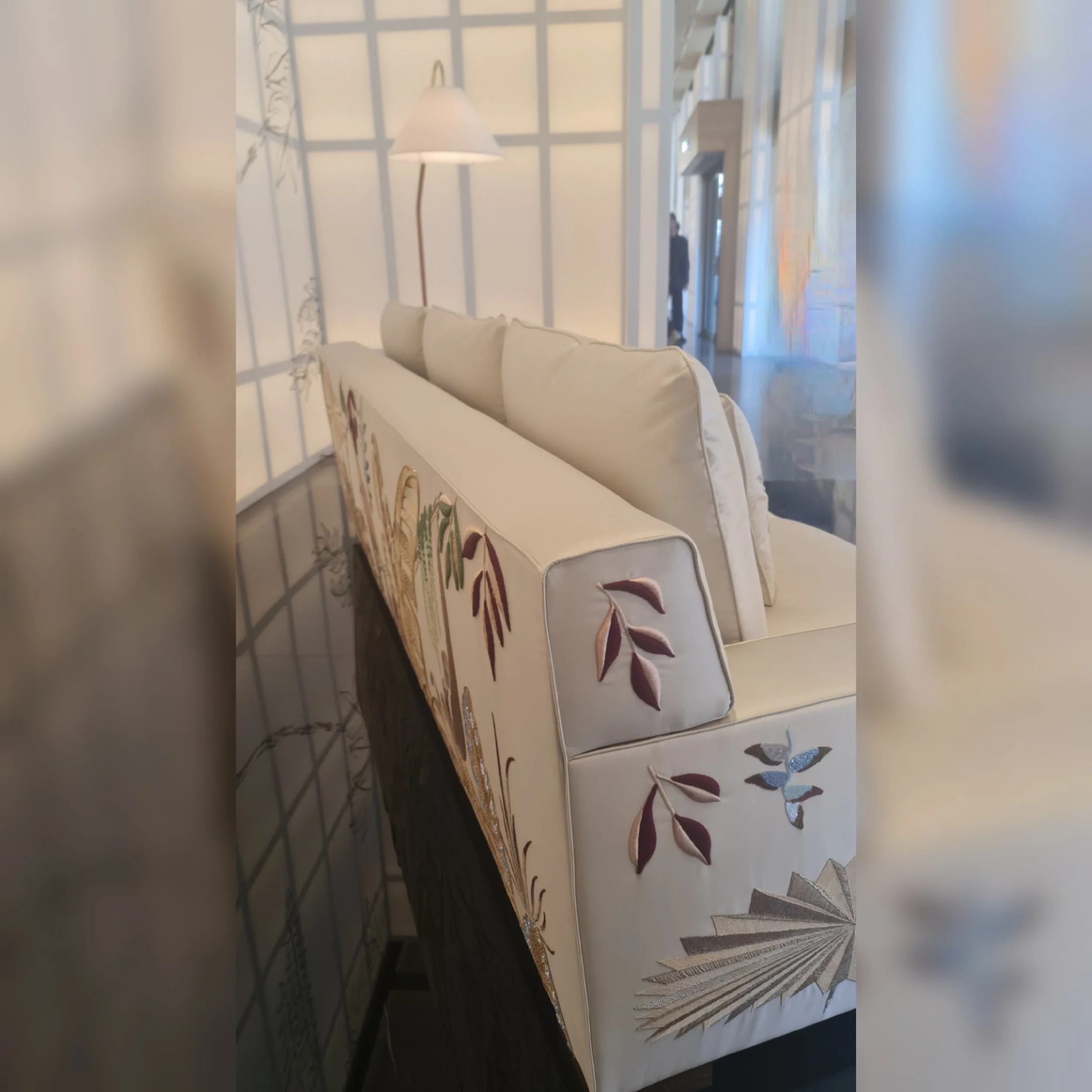
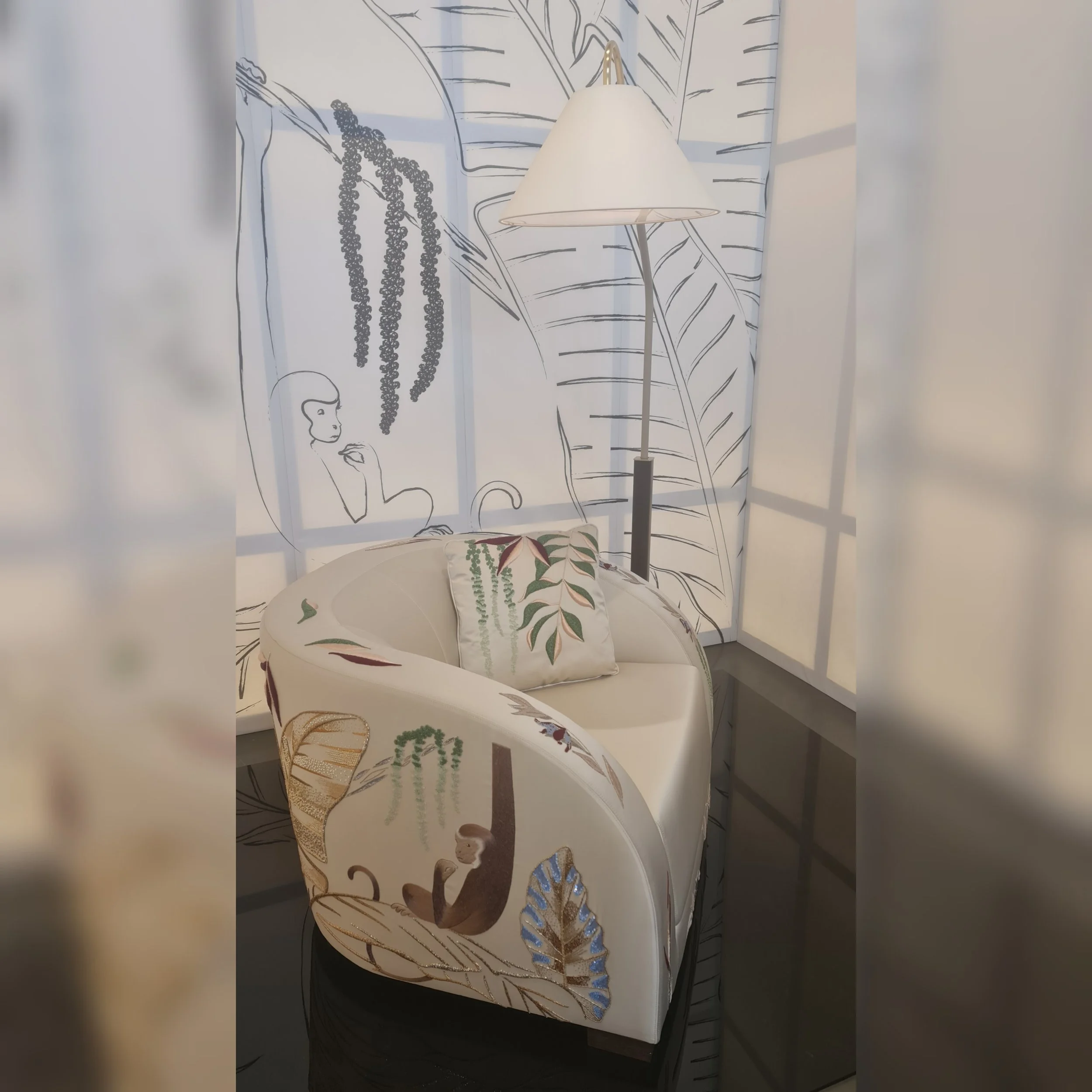
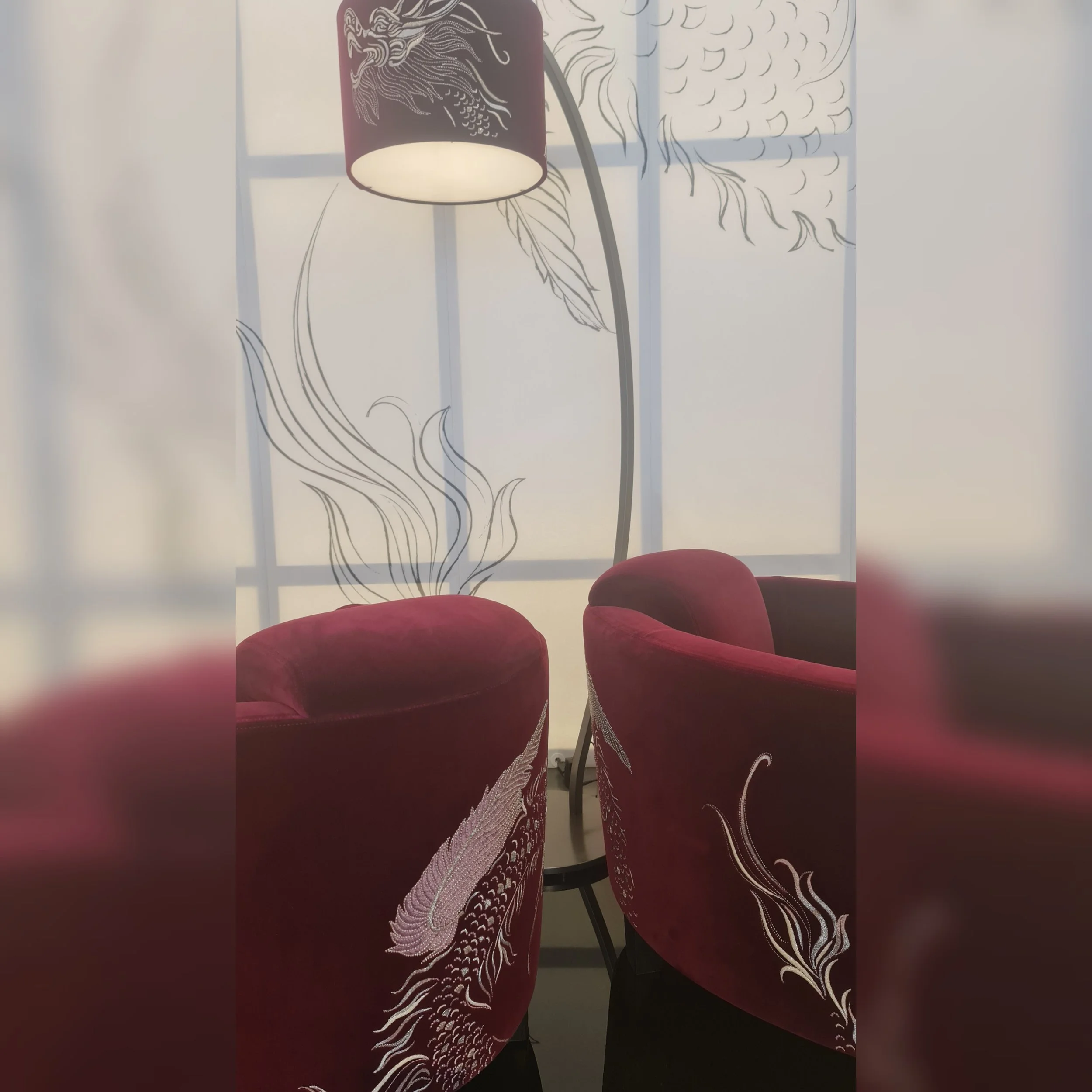
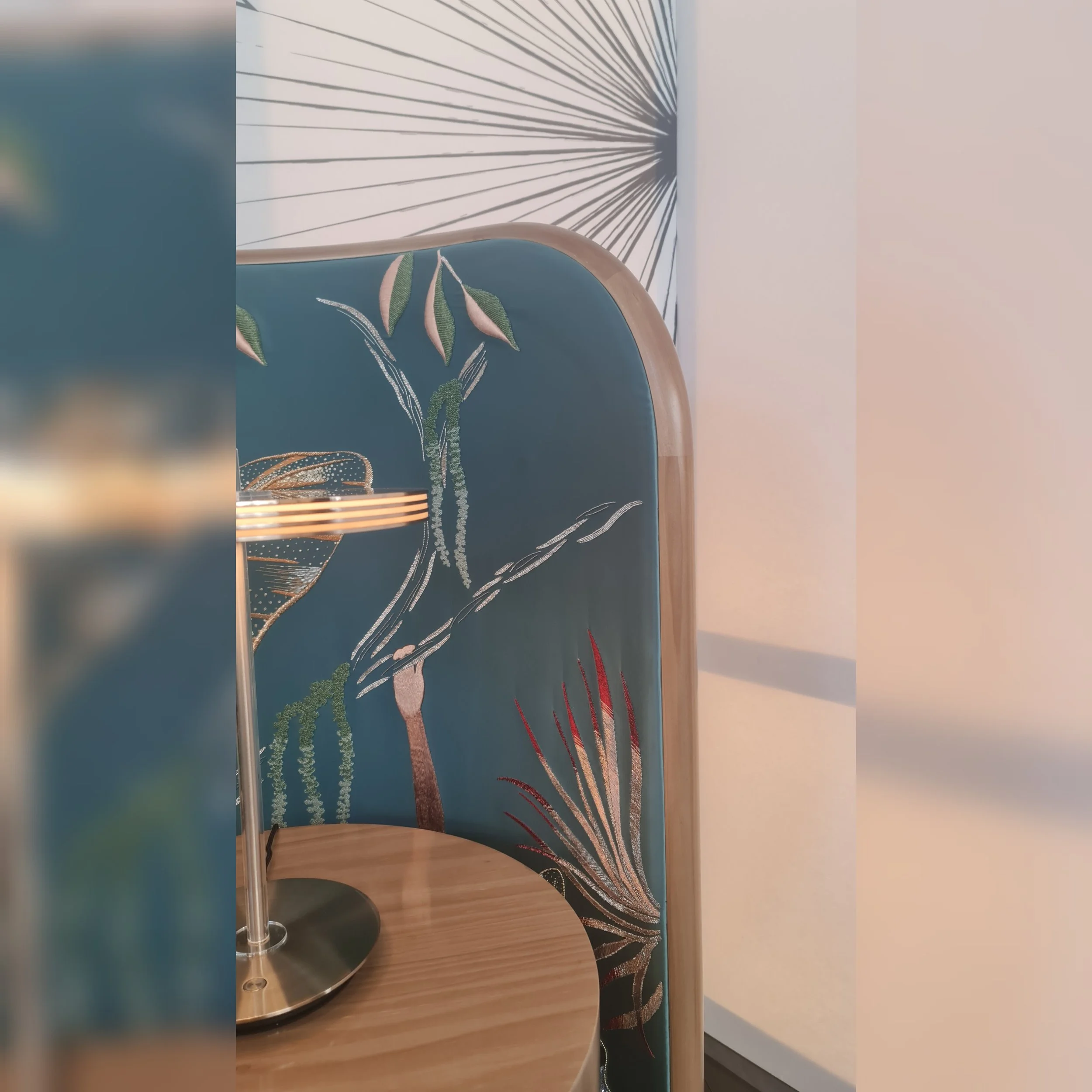
The collection, conceived under the direction of Giorgio Armani, explores a refined dialogue between East and West. There are delicate references to Asian aesthetics—not literal, but interpreted through proportion, rhythm, and materiality. Hand-embroidered motifs—branches, leaves, quiet animal figures—unfold across upholstered pieces, turning furniture into narrative surfaces.

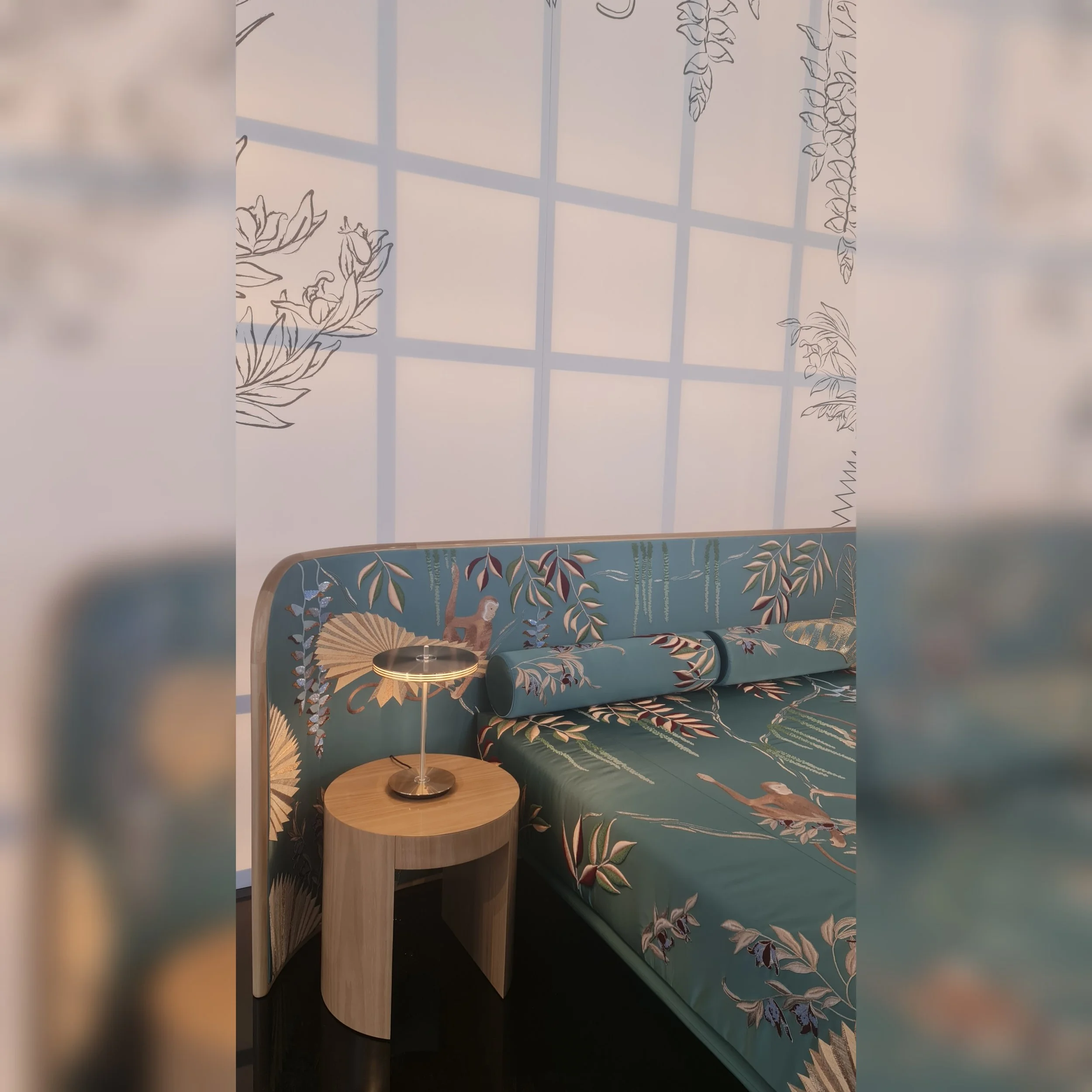
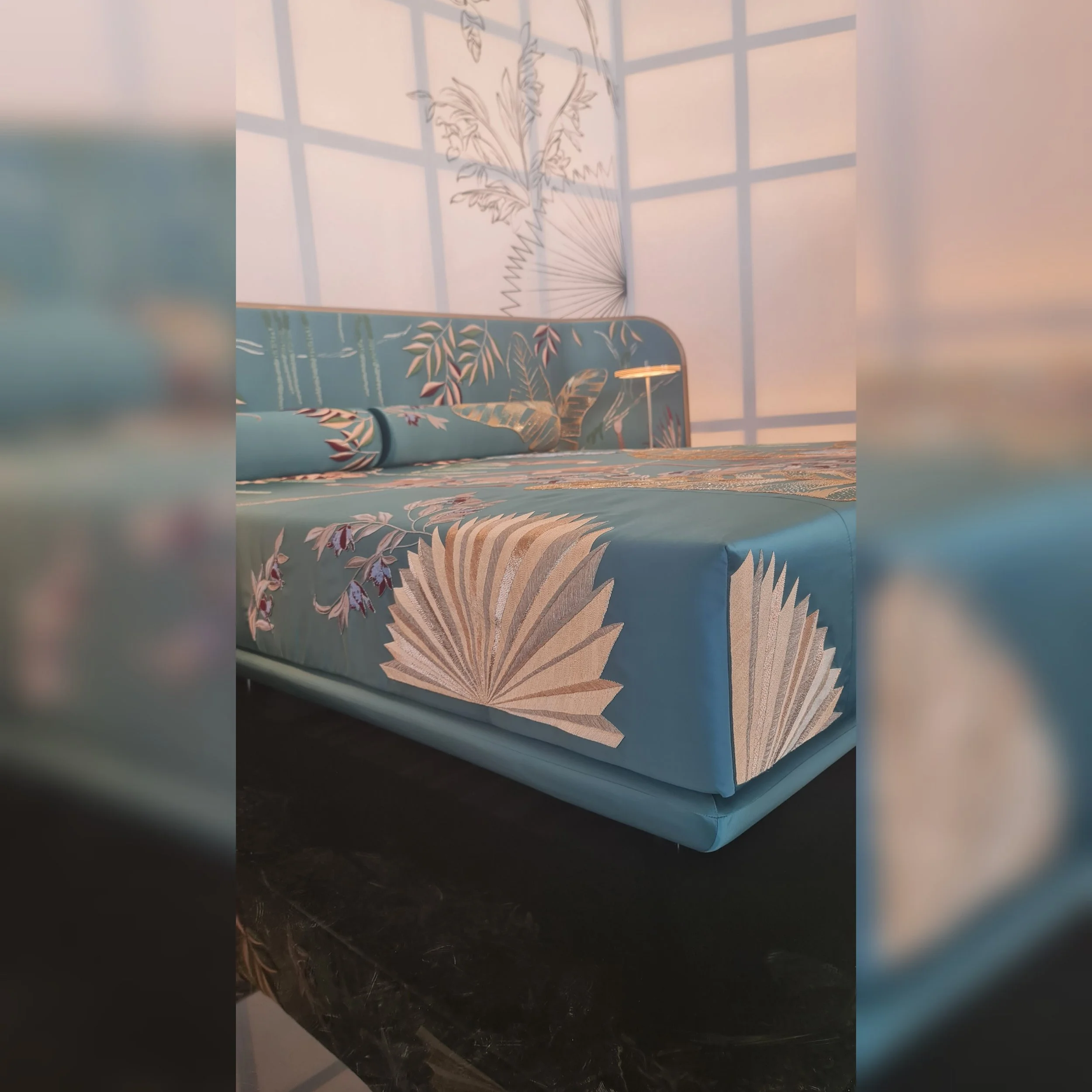
A bed, wrapped in a muted teal textile, becomes a landscape of embroidery—its geometry softened by organic patterns that seem to drift across its surface. Nearby, a pair of deep burgundy armchairs carries a subtle, almost hidden ornament—visible only when the light catches it just right. These are not pieces that reveal themselves instantly; they require attention, and reward it.

In another room, the composition becomes lighter—almost ethereal. Pale upholstery, fine stitching, and softly curved forms are set against luminous walls, where line drawings of botanical elements appear like fleeting shadows. The space feels suspended, somewhere between architecture and illustration.

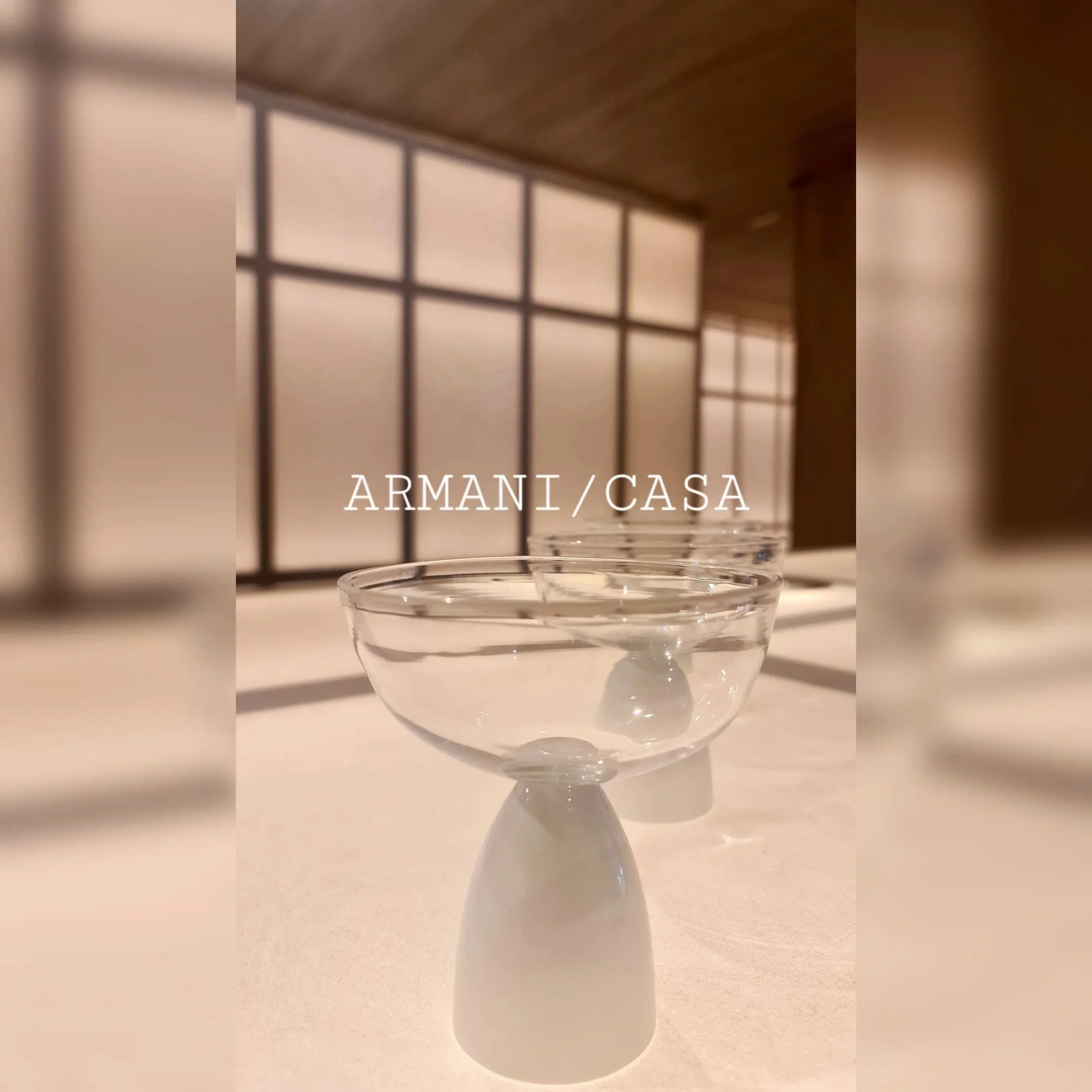
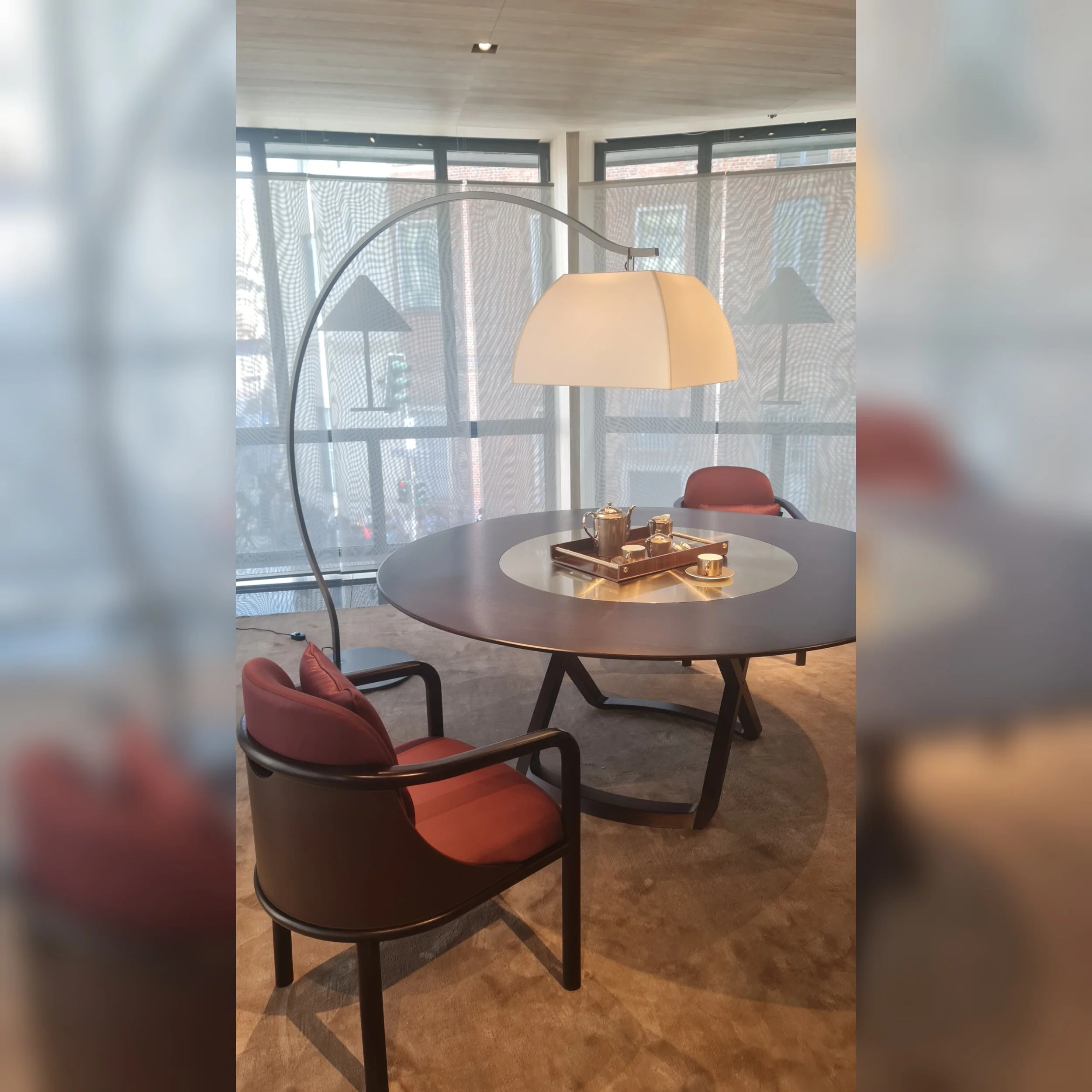
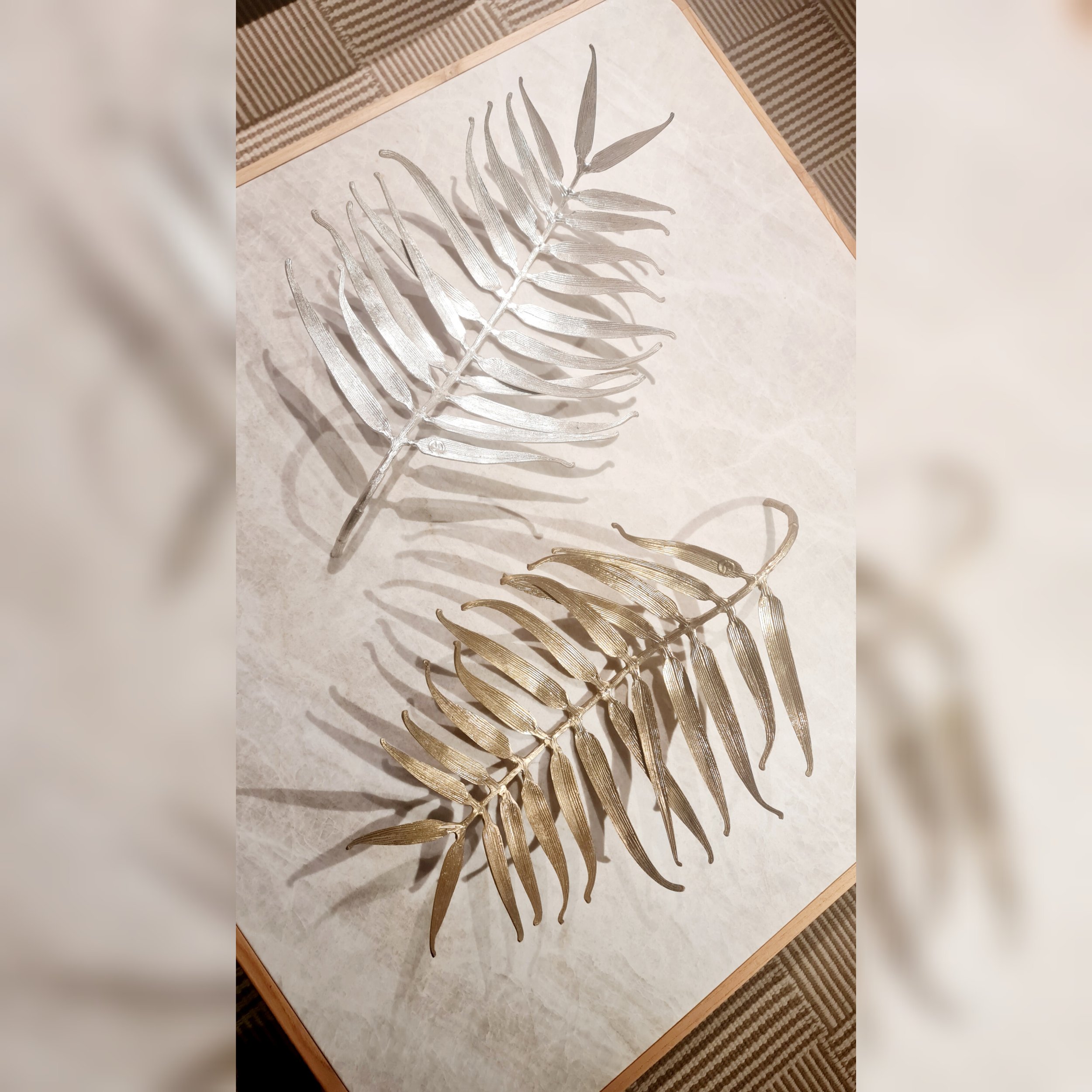
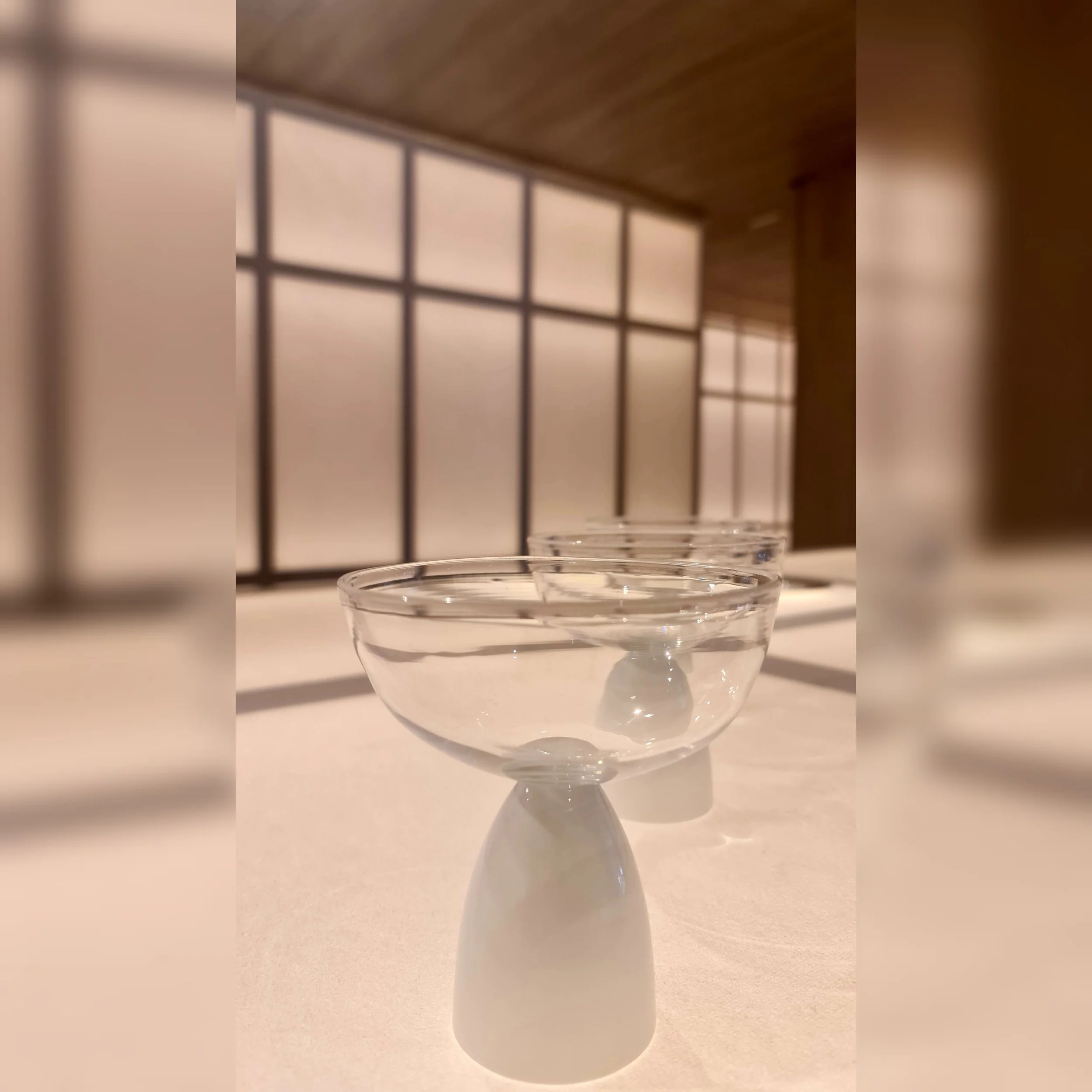
What is striking is the discipline. There is no excess, no visual noise. Every proportion is controlled, every transition considered. Even the smallest objects—glassware, sculptural details, decorative elements—are placed with precision, contributing to a larger sense of balance.

Walking through the installation, I find myself slowing down instinctively. The rhythm of the spaces encourages it. This is not an environment that demands attention—it invites contemplation.

Within the broader energy of Milan Design Week 2025, where intensity often defines the experience, Armani/Casa offers something different: a quiet, controlled elegance that lingers long after you leave.

…………………………………………………………………………..

Design & Lifestyle editor: ELENA L GEORGIEVA
………………………………………………………………………….

View Event →
MILAN DESIGN WEEK 2025 - MARRIOTT & PATRICIA URQUIOLA
Apr
7
to Apr 13

MILAN DESIGN WEEK 2025 - MARRIOTT & PATRICIA URQUIOLA

  • MARRIOTT INTERNATIONAL (map)
  • Google Calendar ICS

📍 Piazzetta M. Bossi 2, Milan

There is a different rhythm to Milan Design Week 2025 once you step slightly away from the intensity of the main circuits—into spaces where design reveals itself through atmosphere rather than statement. This is precisely the experience unfolding inside Casa Brera, a Luxury Collection Hotel, Milan, located at Piazzetta M. Bossi 2, where Patricia Urquiola shapes a quietly immersive narrative for the Marriott International.

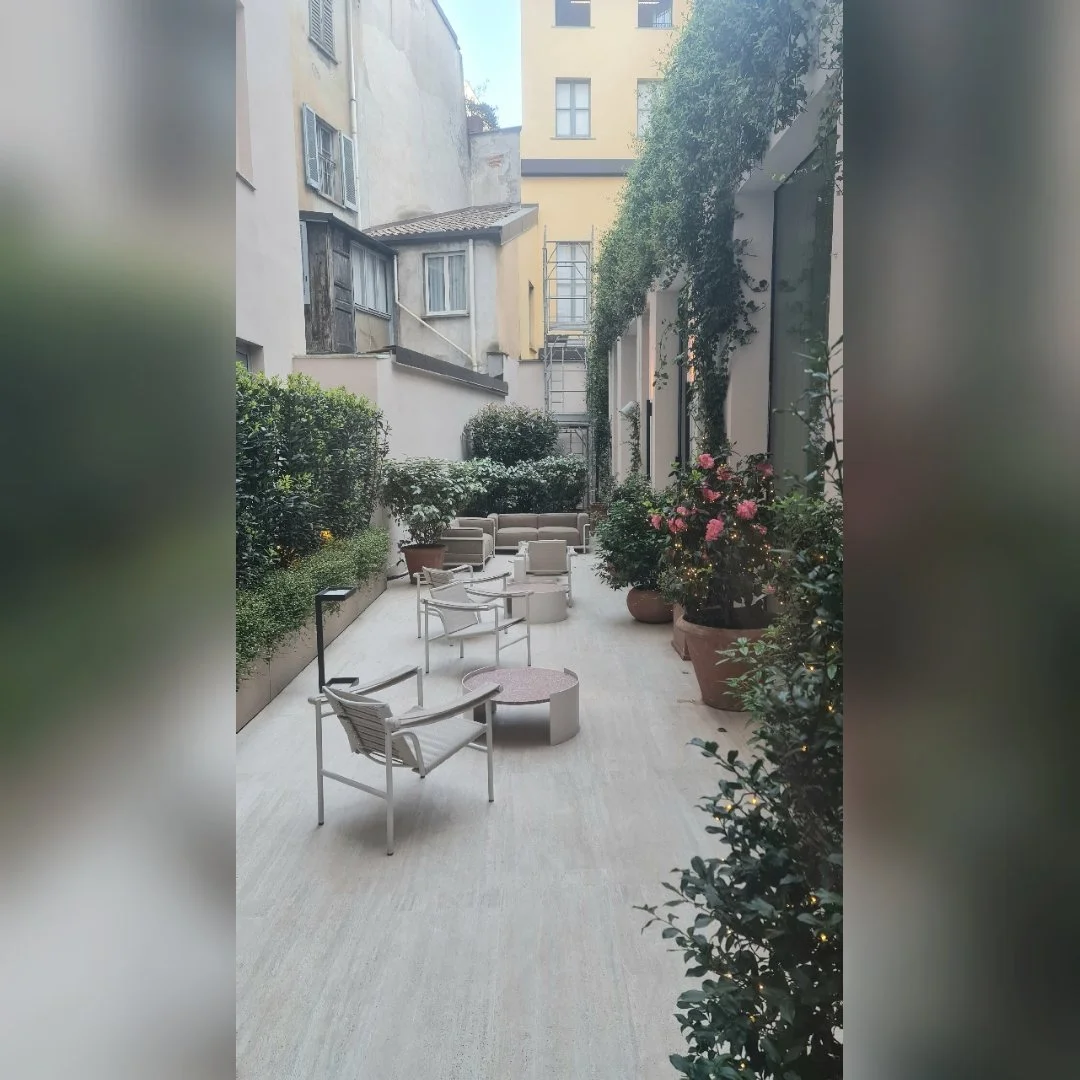
The transition begins almost imperceptibly. From the city’s movement into the hotel’s inner courtyard, the atmosphere softens—light filtered through greenery, muted tones, a sense of pause. It feels less like entering a hospitality space and more like stepping into a carefully edited sequence of living environments.

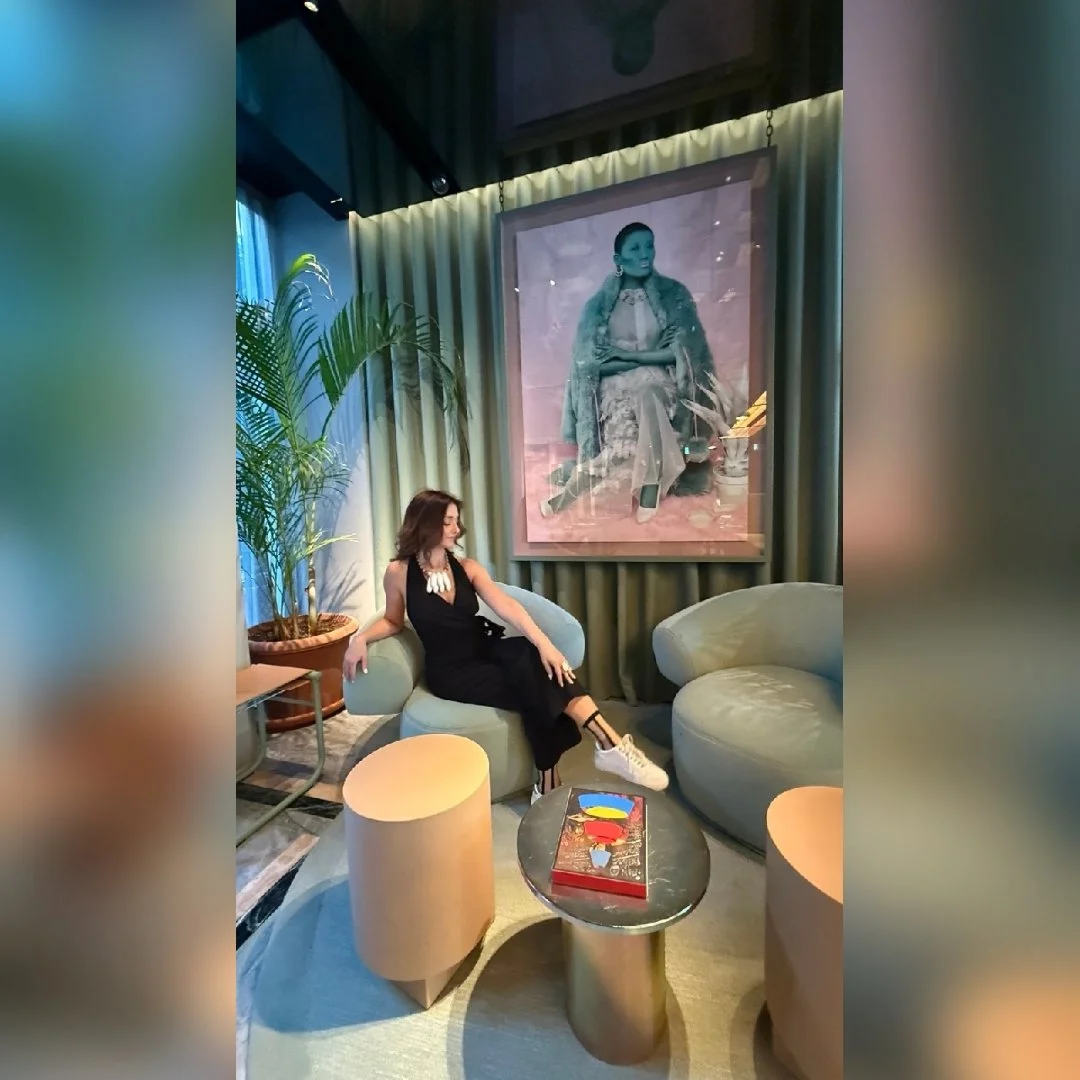
Inside, Urquiola’s language unfolds with clarity and restraint. Surfaces are tactile yet controlled—stone, velvet, polished metal—each material selected not for contrast, but for dialogue. The palette moves in subtle gradients: soft greens, warm neutrals, muted blush tones. Nothing dominates, yet everything is deeply intentional.

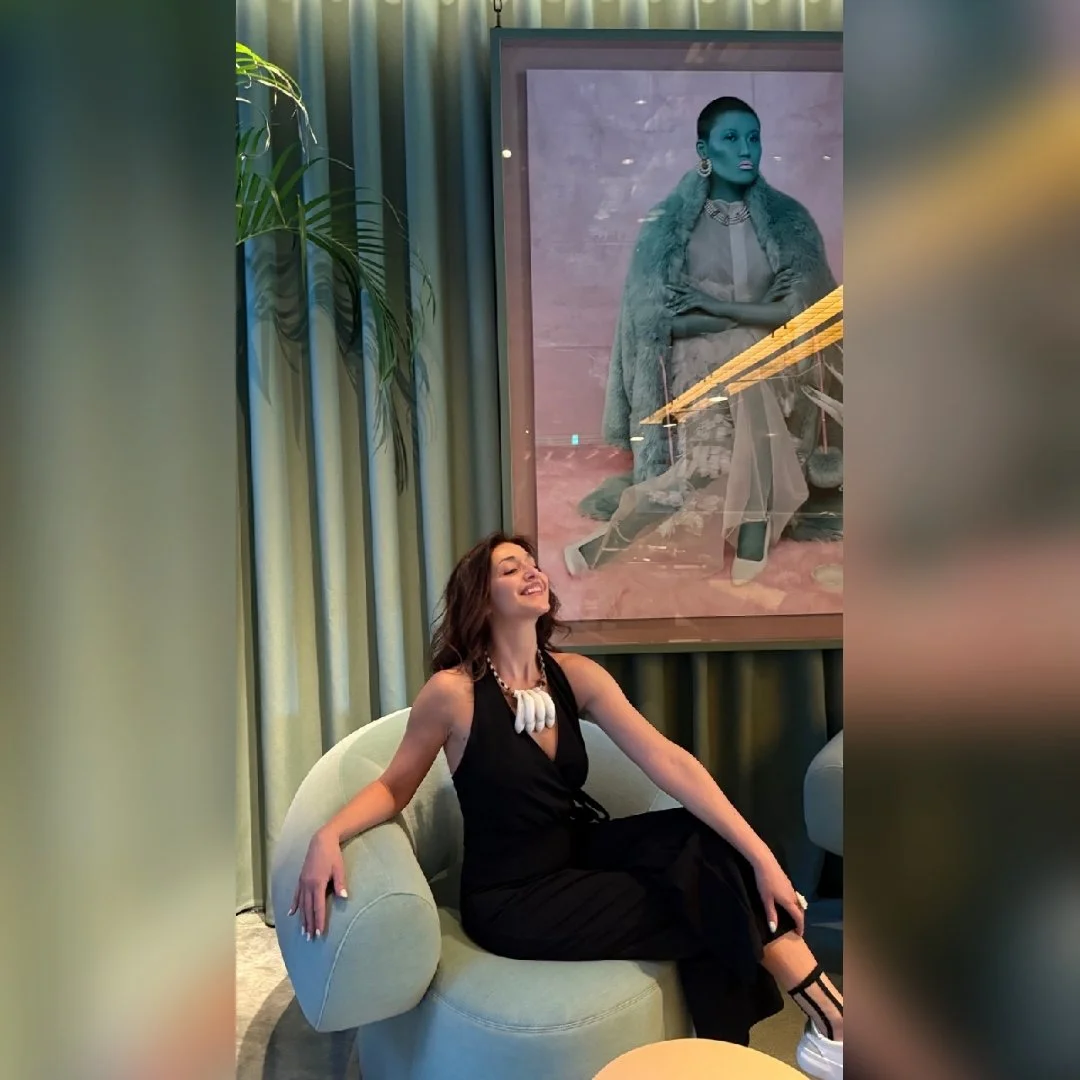
The furniture compositions reflect her signature balance between sculptural presence and human comfort. Seating pieces feel generous, almost embracing, their rounded geometries softened further by rich upholstery. Low tables, monolithic yet refined, anchor the spaces without interrupting their flow. There is an evident understanding here—not only of form, but of how people inhabit space over time.

What is particularly compelling is the way the project reframes luxury. It is not expressed through excess, but through calibration. Light is diffused, never direct. Textures are layered, but never overwhelming. Even the artworks—carefully positioned—do not demand attention, but rather extend the narrative of the space.

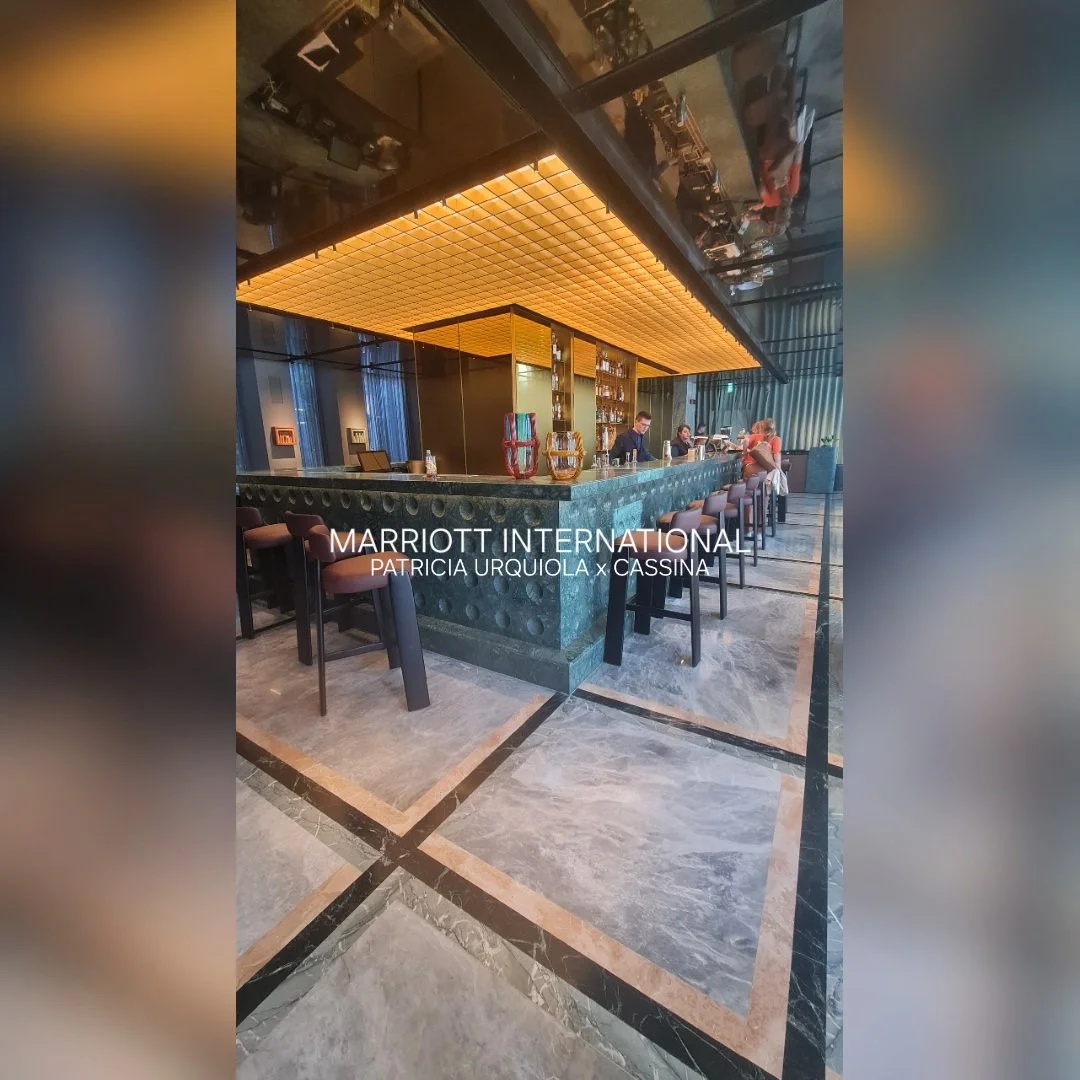
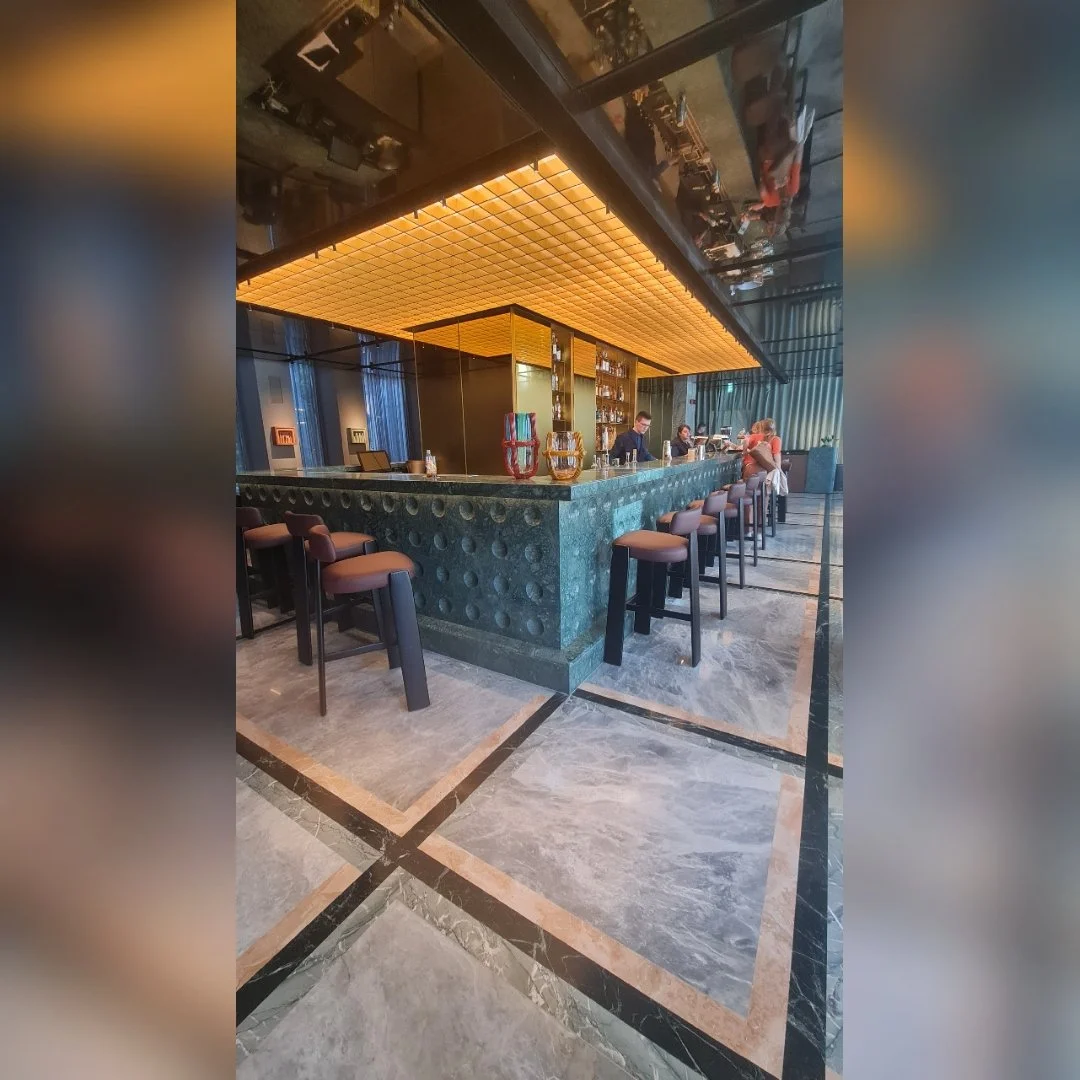
Moving through the bar area, the atmosphere shifts again. A more intimate, evening register emerges: deeper tones, reflective surfaces, a subtle play of light across stone and glass. The central counter becomes a focal point—not as a spectacle, but as a place of gathering, of quiet interaction. It is a space designed not to impress instantly, but to reveal itself gradually.

Throughout the experience, what remains constant is a sense of coherence. Patricia Urquiola does not impose a style—she constructs a mood, a continuity that connects every room, every transition, every detail.

In the context of Milan Design Week 2025, where many installations exist as temporary gestures, this project feels grounded—rooted in the real dynamics of living, hosting, and experiencing space. It is a reminder that hospitality, at its most refined, is not about spectacle, but about creating environments that stay with you—quietly, persistently—long after you leave.


Design & Lifestyle editor: ELENA L GEORGIEVA


View Event →
MILAN DESIGN WEEK 2025 - CC-TAPIS
Apr
7
to Apr 13

MILAN DESIGN WEEK 2025 - CC-TAPIS

📍 Piazza Santo Stefano 10

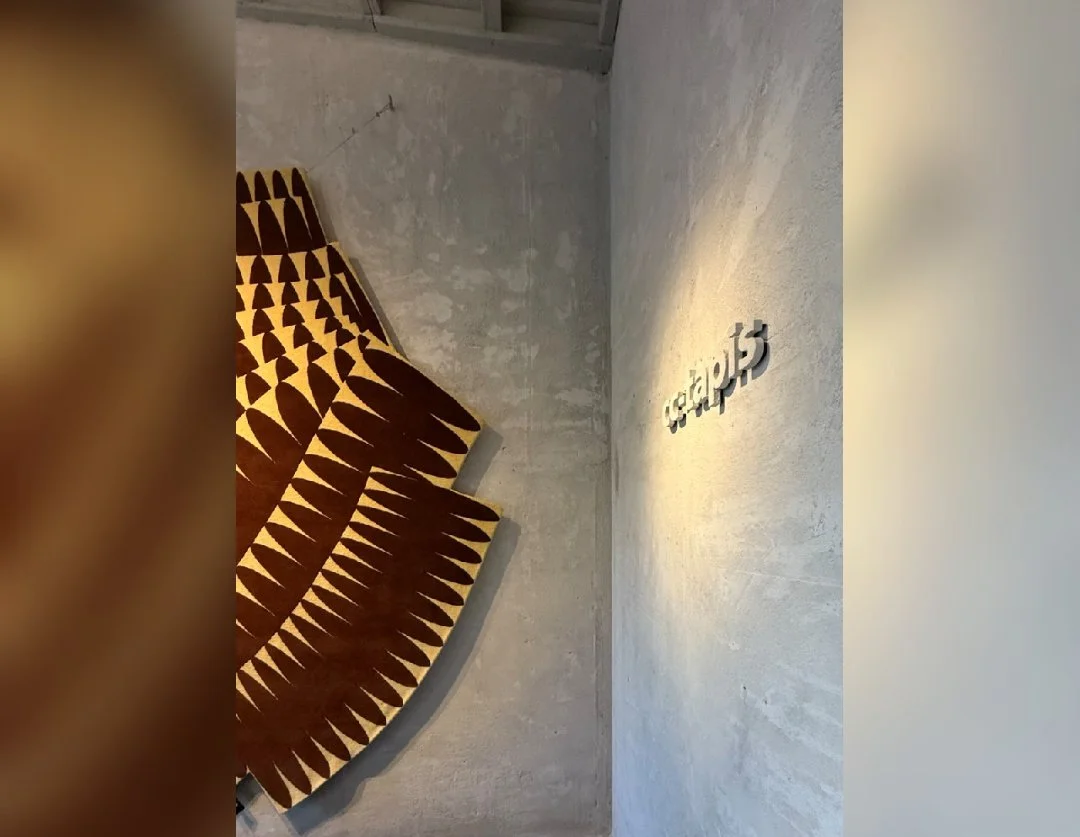
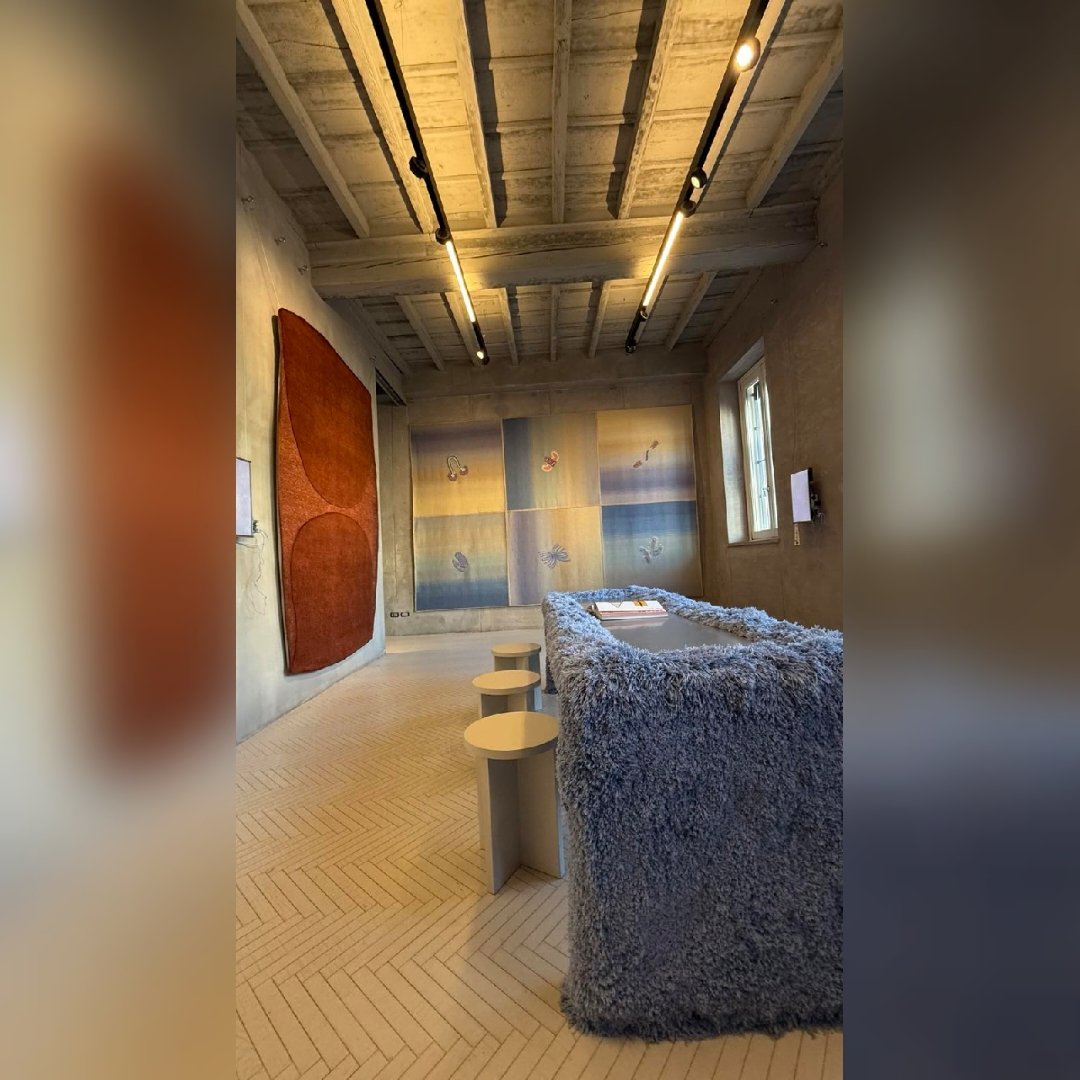
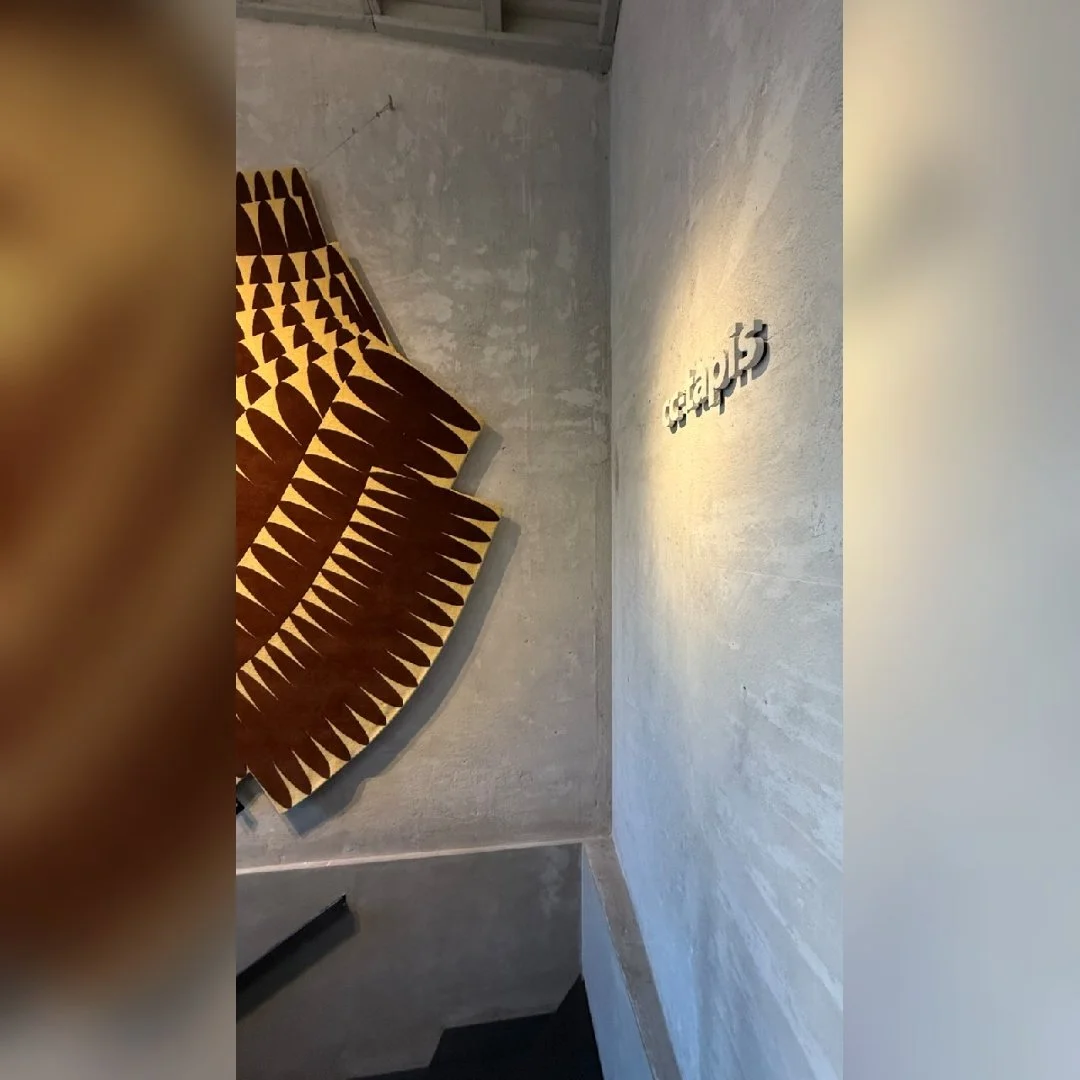
There is a particular kind of quiet magnetism in Milan this week—one that draws you away from the obvious and into spaces where material becomes narrative. Tucked within the textured calm of CC-TAPIS showroom Milan, located at Piazza Santo Stefano 10, CC-tapis presents a body of work that feels both instinctive and deeply composed.

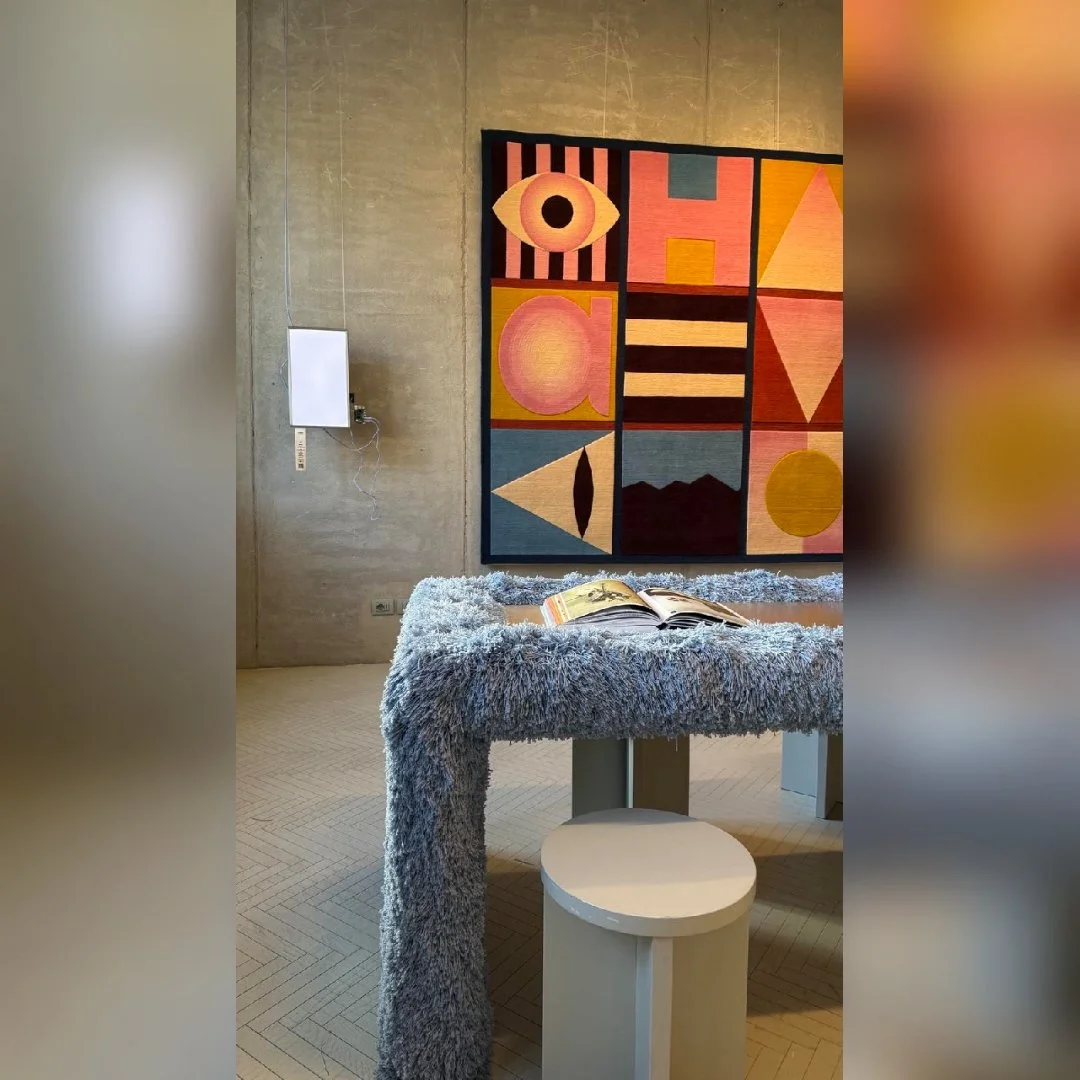
Stepping inside, the atmosphere shifts immediately. Raw, almost ascetic architectural surfaces—bare concrete, muted light, a restrained palette—become the perfect counterpoint to the tactile richness of the rugs. Here, nothing competes; everything frames. The pieces are not displayed—they are allowed to exist, almost like suspended fragments of landscape.

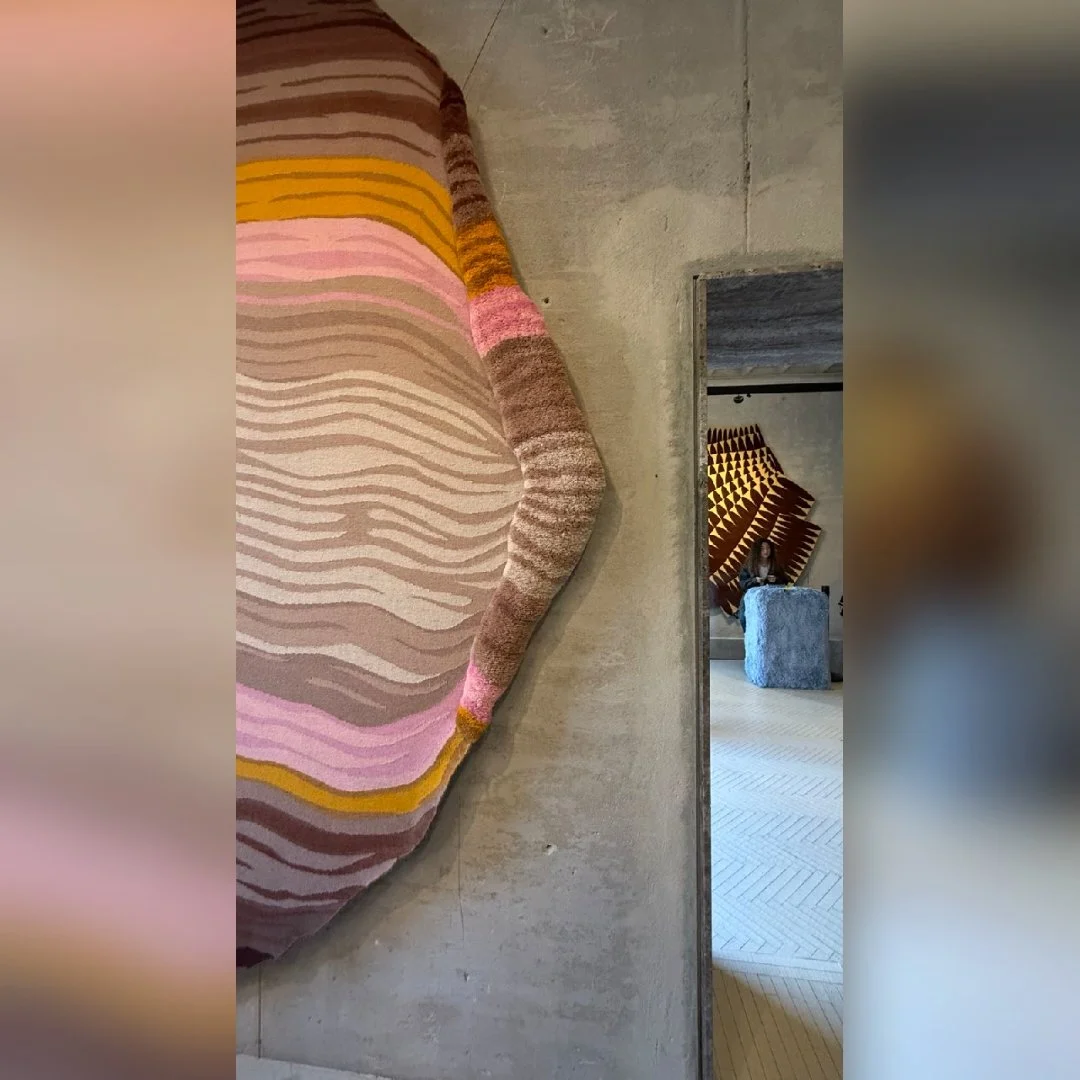
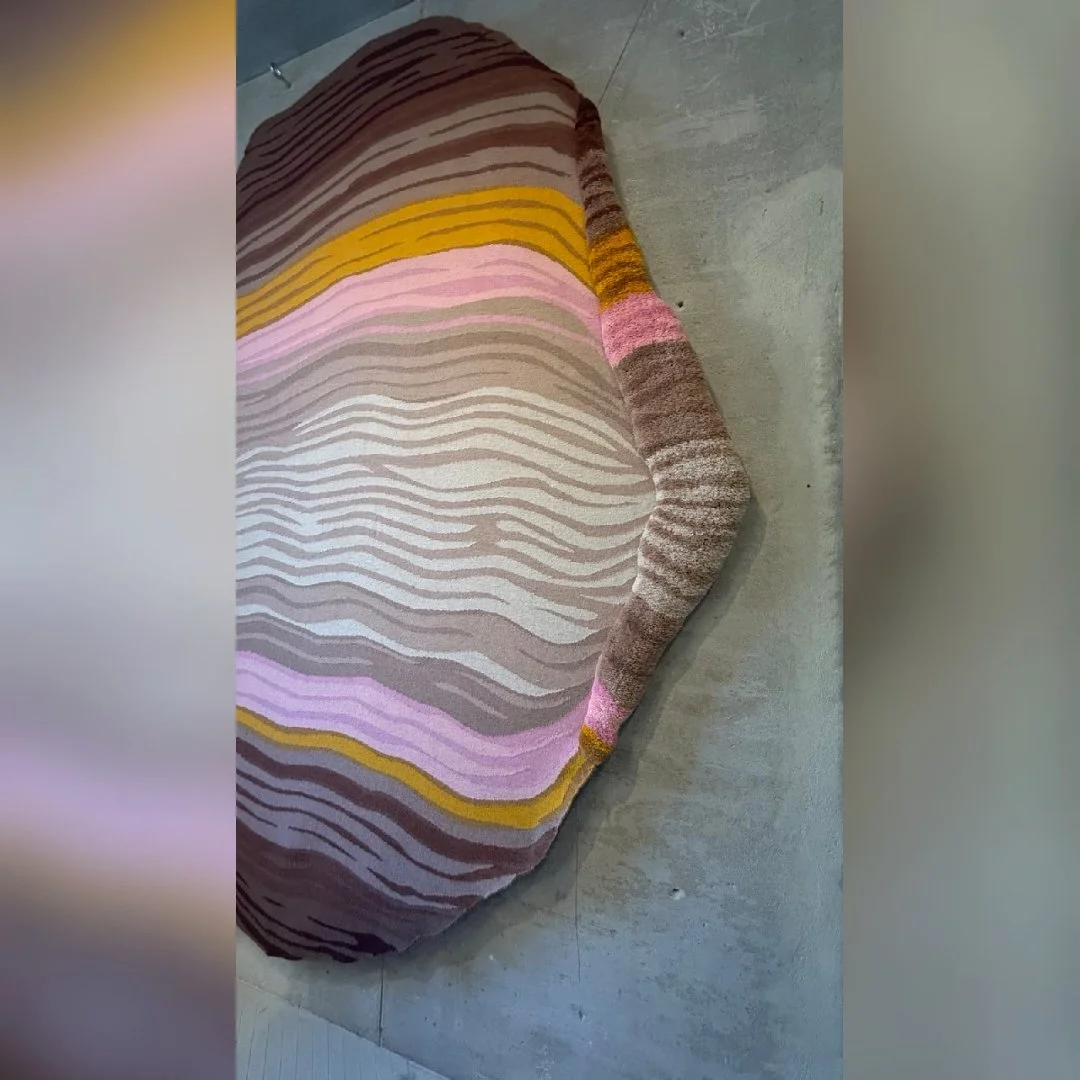
What defines this year’s presentation is its sculptural sensibility. Rugs detach from the floor and move onto walls, into corners, across volumes. They bend, curve, and soften the rigid geometry of the space, transforming textile into object. Some pieces unfold like topographic sections—layered, fluid, almost geological—while others rely on graphic rhythm and repetition, creating a visual language that oscillates between art and design.

Among the featured collaborations, the presence of Patricia Urquiola is unmistakable—her work balancing softness with precision, colour with restraint. Alongside her, contributions by India Mahdavi introduce a more playful, chromatic narrative, while Faye Toogood brings a raw, almost primal materiality. The dialogue between these voices is subtle, yet deeply intentional—each piece distinct, yet part of a cohesive curatorial vision.

One of the most compelling aspects of the exhibition is the way it invites physical proximity. You are drawn closer—not just to observe, but to feel. The density of the fibres, the irregularity of the edges, the transitions between tones—these are details that resist distance. They ask for time, for attention, for a slower pace of looking.

There is also a quiet confidence in the way CC-tapis approaches colour this year. Earthy gradients dissolve into unexpected accents—soft pinks, mineral yellows, deep browns—creating compositions that feel both grounded and expressive. It is a palette that resonates with the current moment, yet remains entirely independent of trend.

Walking through the space, the impression that lingers is not one of product, but of atmosphere. A sense that textile, when treated with this level of intention, can redefine how we perceive interior architecture itself. In the context of Milan Design Week 2025, where scale and spectacle often dominate, CC-tapis offers something far more nuanced: a study in tactility, proportion, and quiet emotional impact—one that stays with you long after you step back into the city.


Design & Lifestyle editor: ELENA L GEORGIEVA

View Event →
MILAN DESIGN WEEK 2025, ELLE DECOR's "Alchemica"
Apr
7
to Apr 13

MILAN DESIGN WEEK 2025, ELLE DECOR's "Alchemica"

📍 Palazzo Bovara, Corso Venezia 51, Milan

There are moments during Milan Design Week 2025 when the city seems to dissolve into a sequence of atmospheres rather than places. This year, ELLE DECOR ALCHEMICA once again created one of those rare environments—an installation that feels less like a curated exhibition and more like a sensorial narrative unfolding room by room.

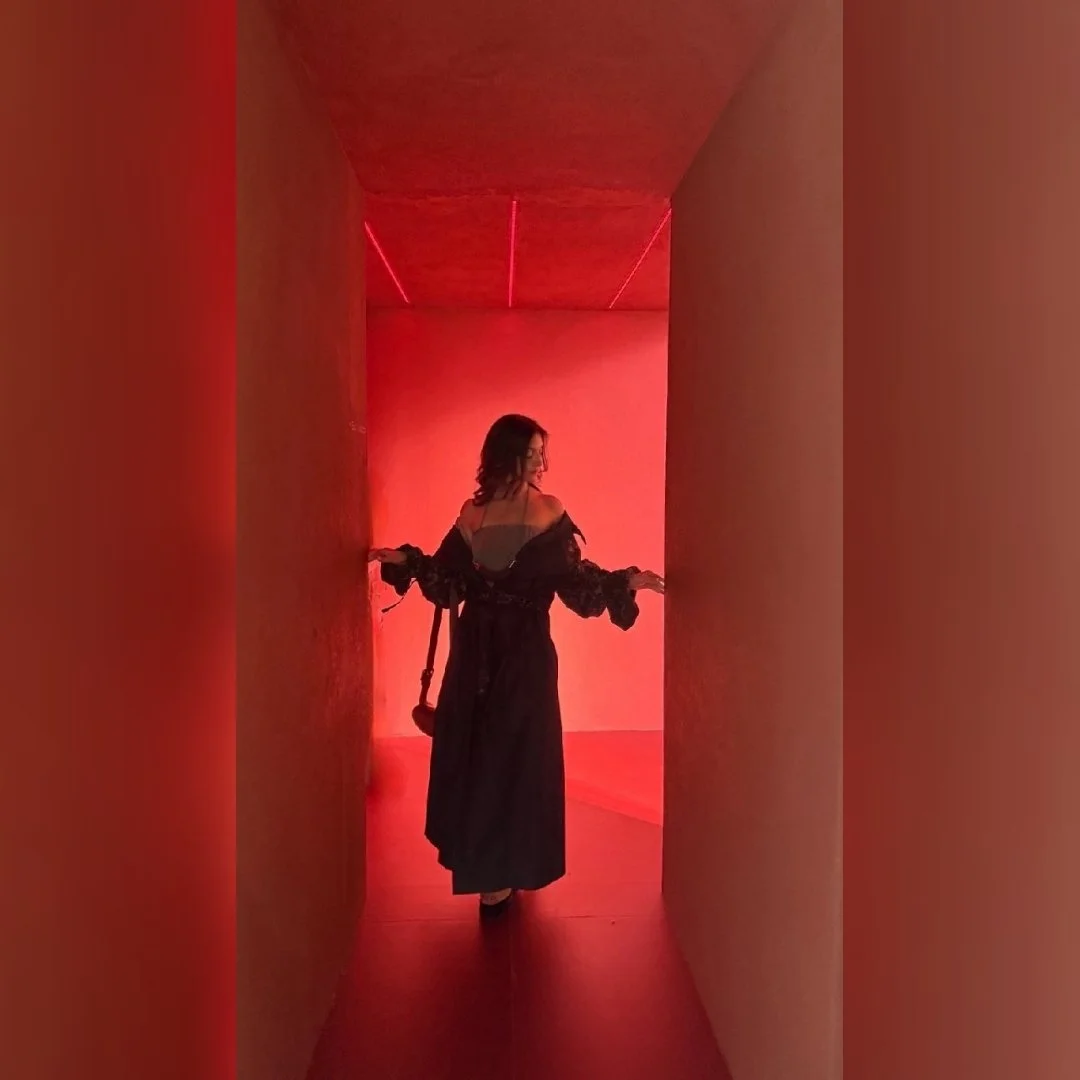
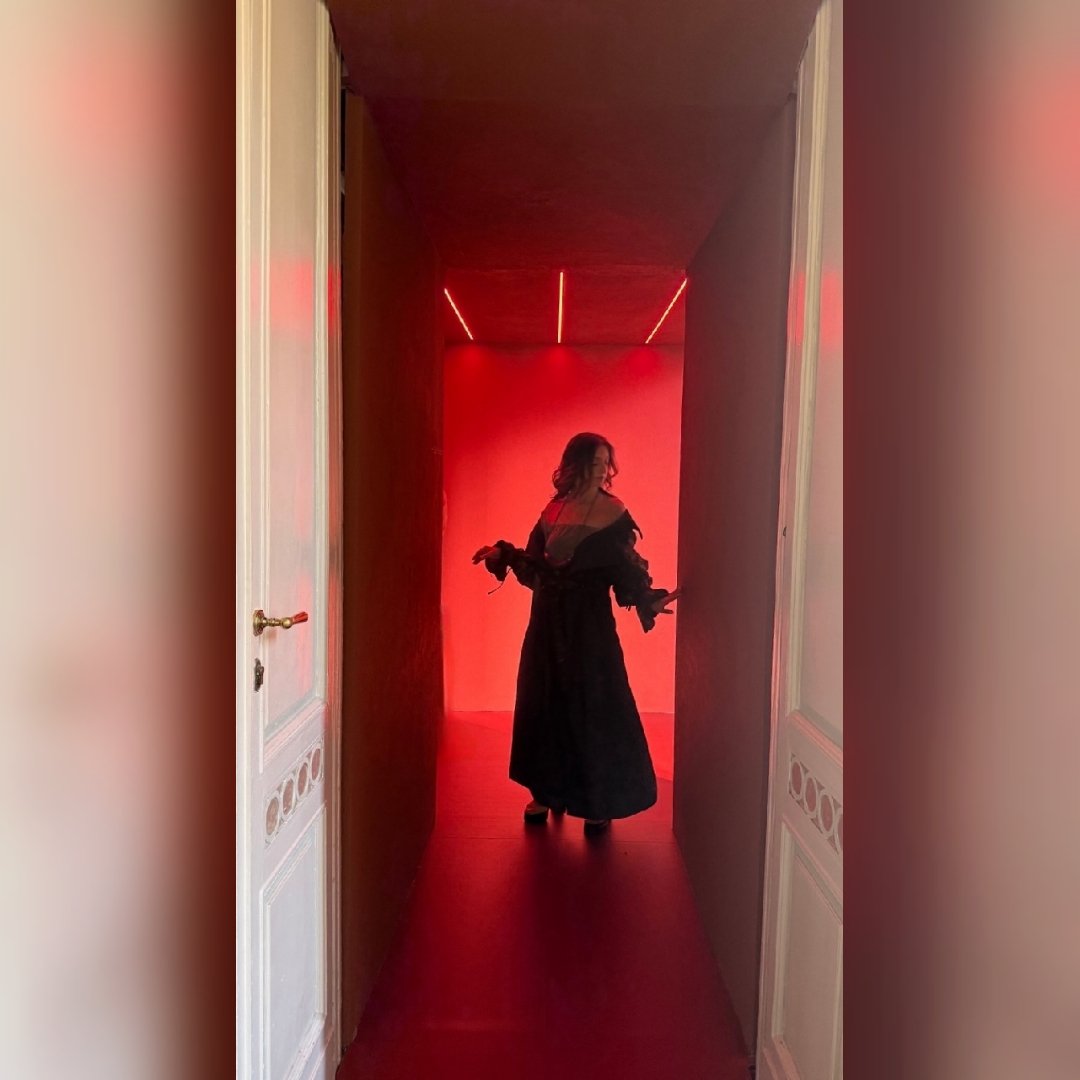
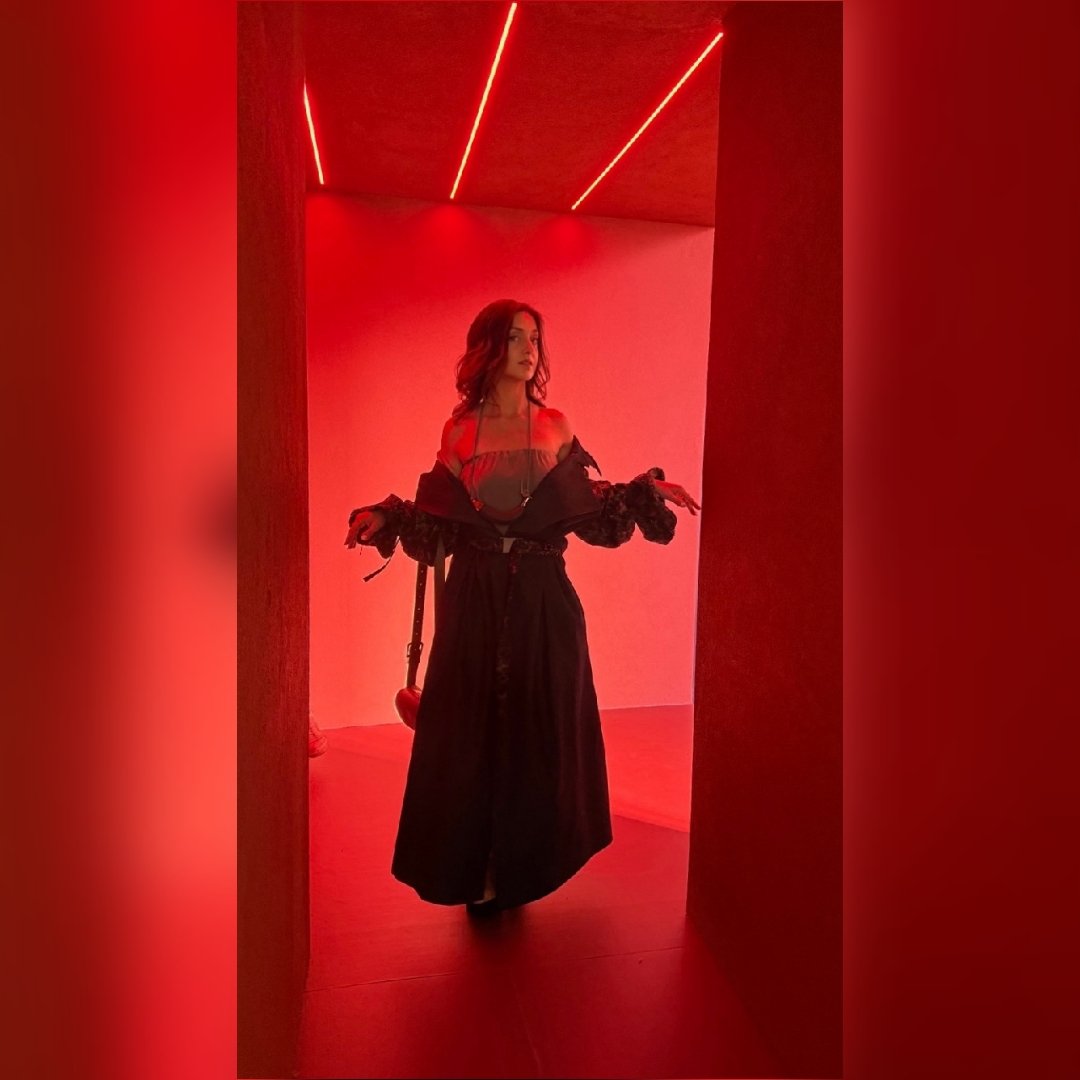
From the very first threshold, the tone is unmistakable. A narrow passage saturated in deep, cinematic red light compresses the body and heightens awareness. The transition is almost theatrical—an initiation into a world where colour, texture, and light are not decorative elements, but protagonists. Moving through it, you feel the deliberate choreography: the way space directs pace, the way light reshapes perception.

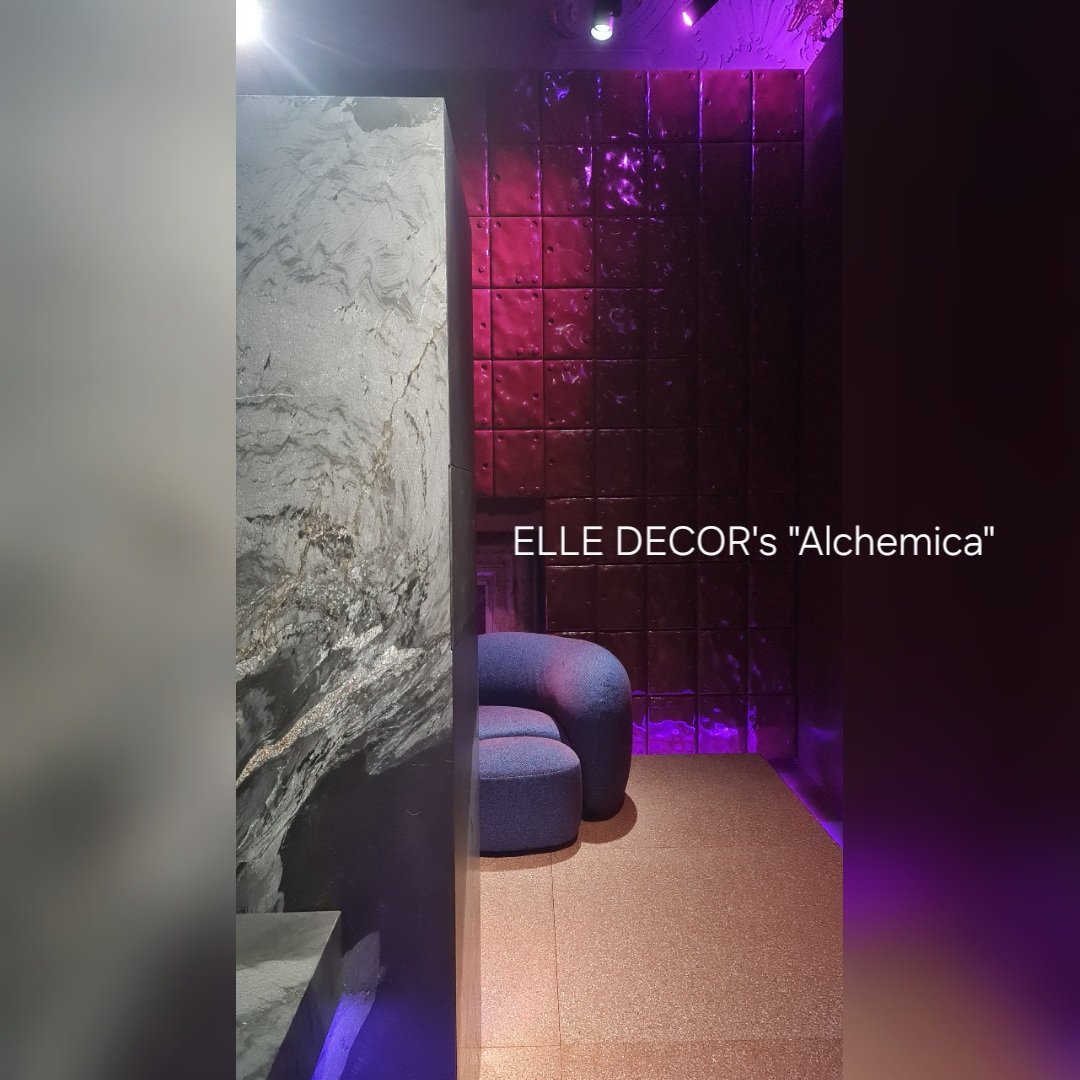
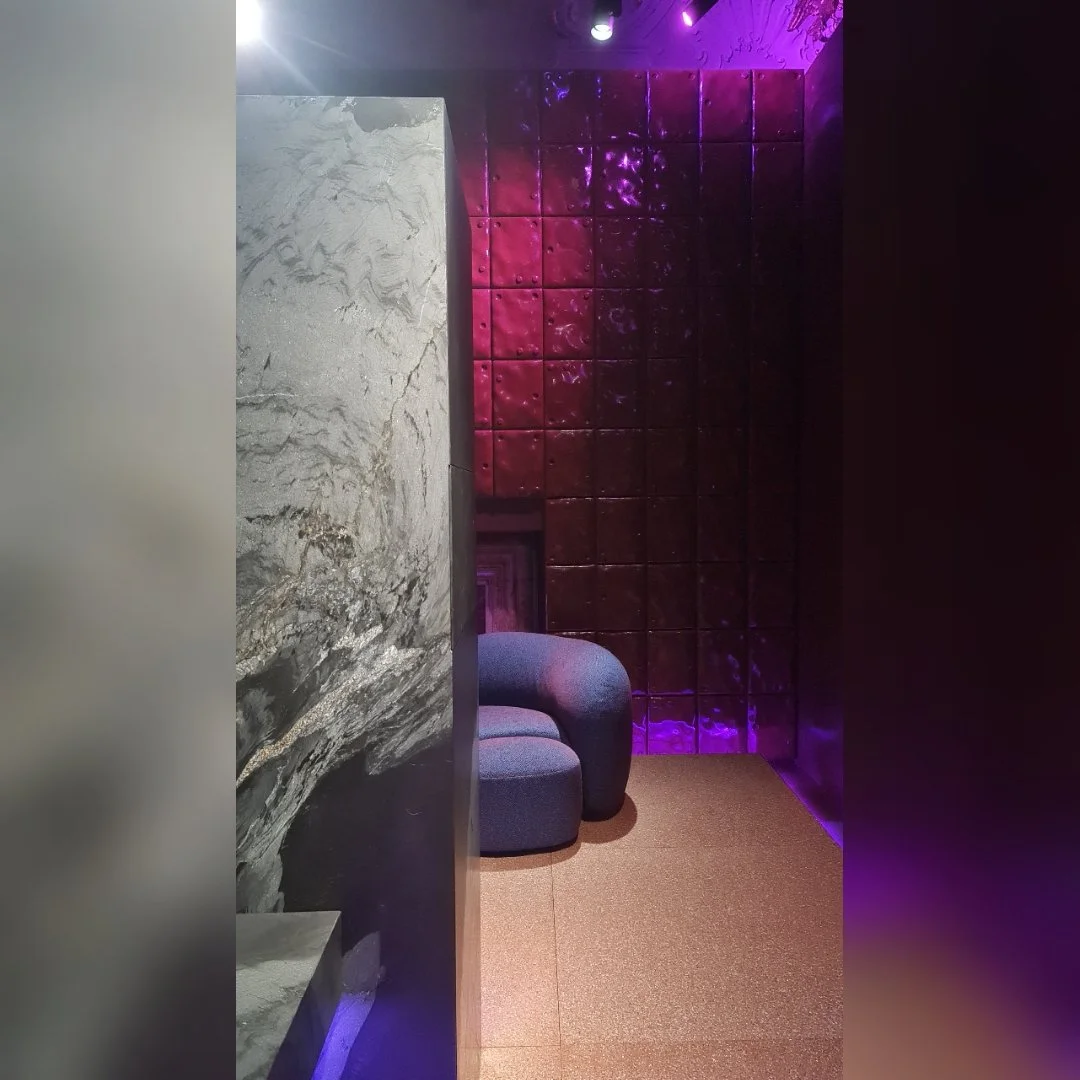
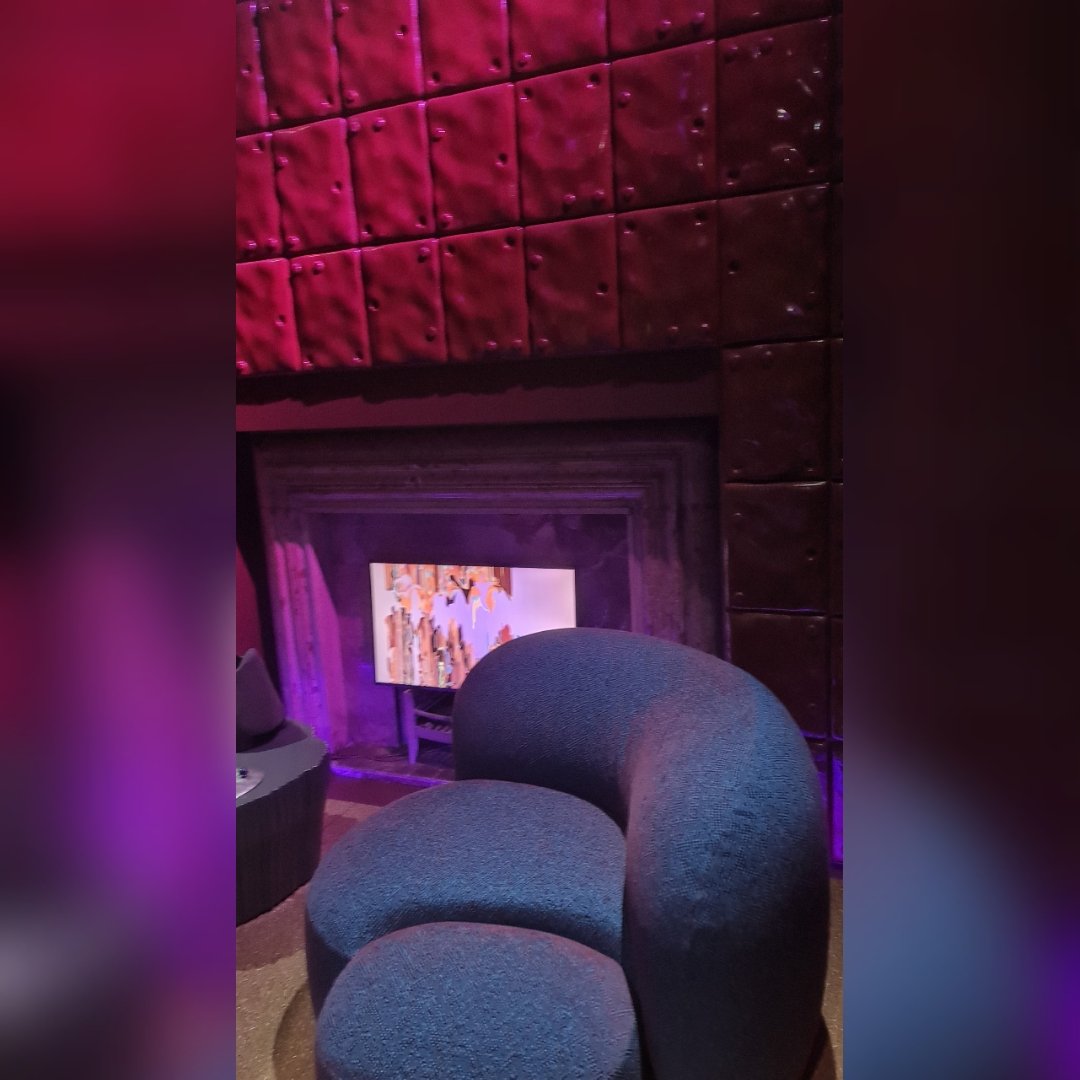
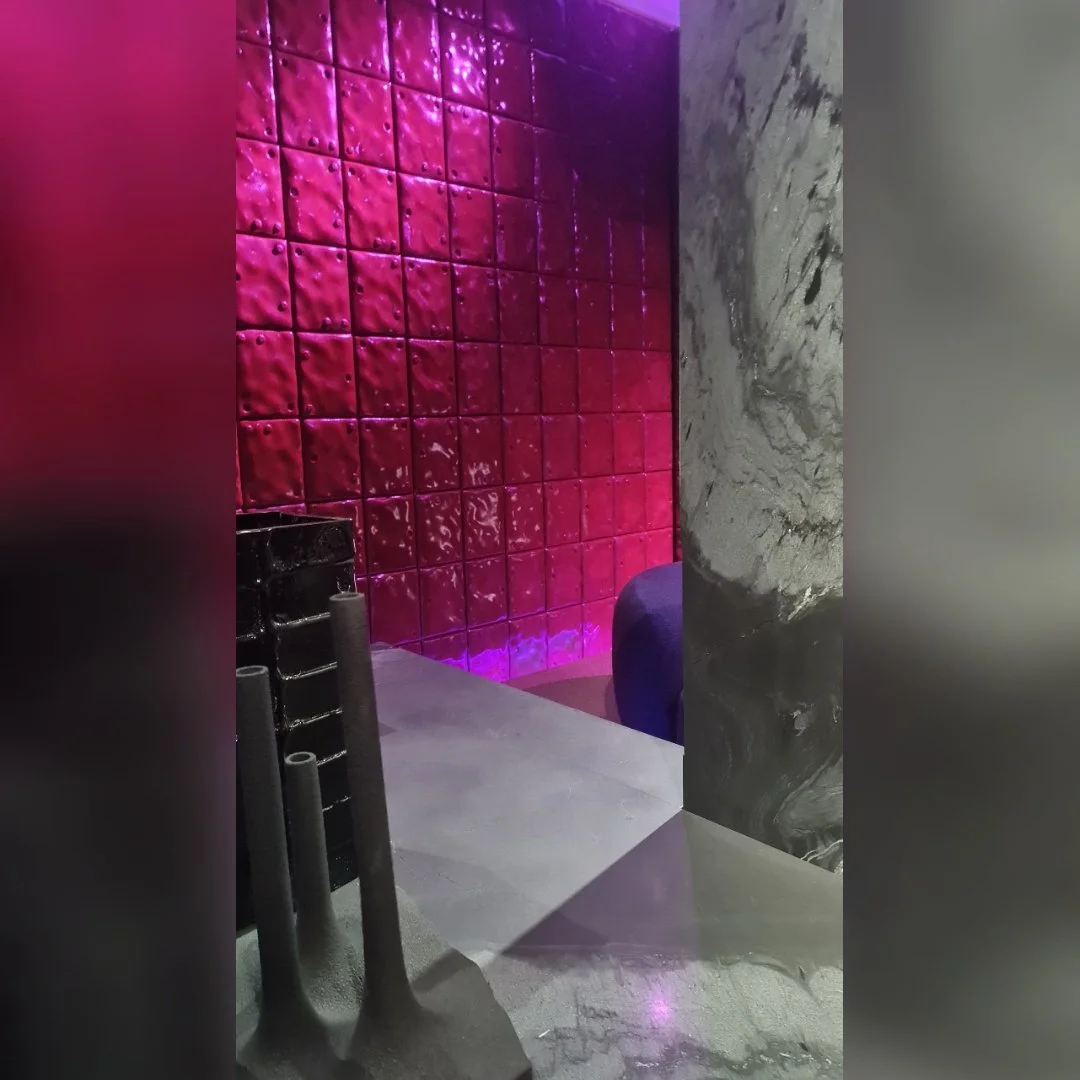
Beyond, the installation opens into a sequence of contrasting yet carefully balanced interiors. Rich, lacquered surfaces catch fragments of violet and amber light; walls oscillate between tactile softness and reflective intensity. Materials are layered with intention—stone with a geological depth, textiles that absorb and mute, ceramics that flicker under shifting illumination. Each room carries its own emotional register, yet all remain part of a cohesive story.

What stands out is the editorial precision behind it all. ELLE DECOR ITALIA approaches space the way it approaches print: through composition, contrast, and rhythm. There is a clear narrative arc—from intimacy to openness, from shadow to glow—mirroring the way one might turn the pages of a beautifully constructed issue.

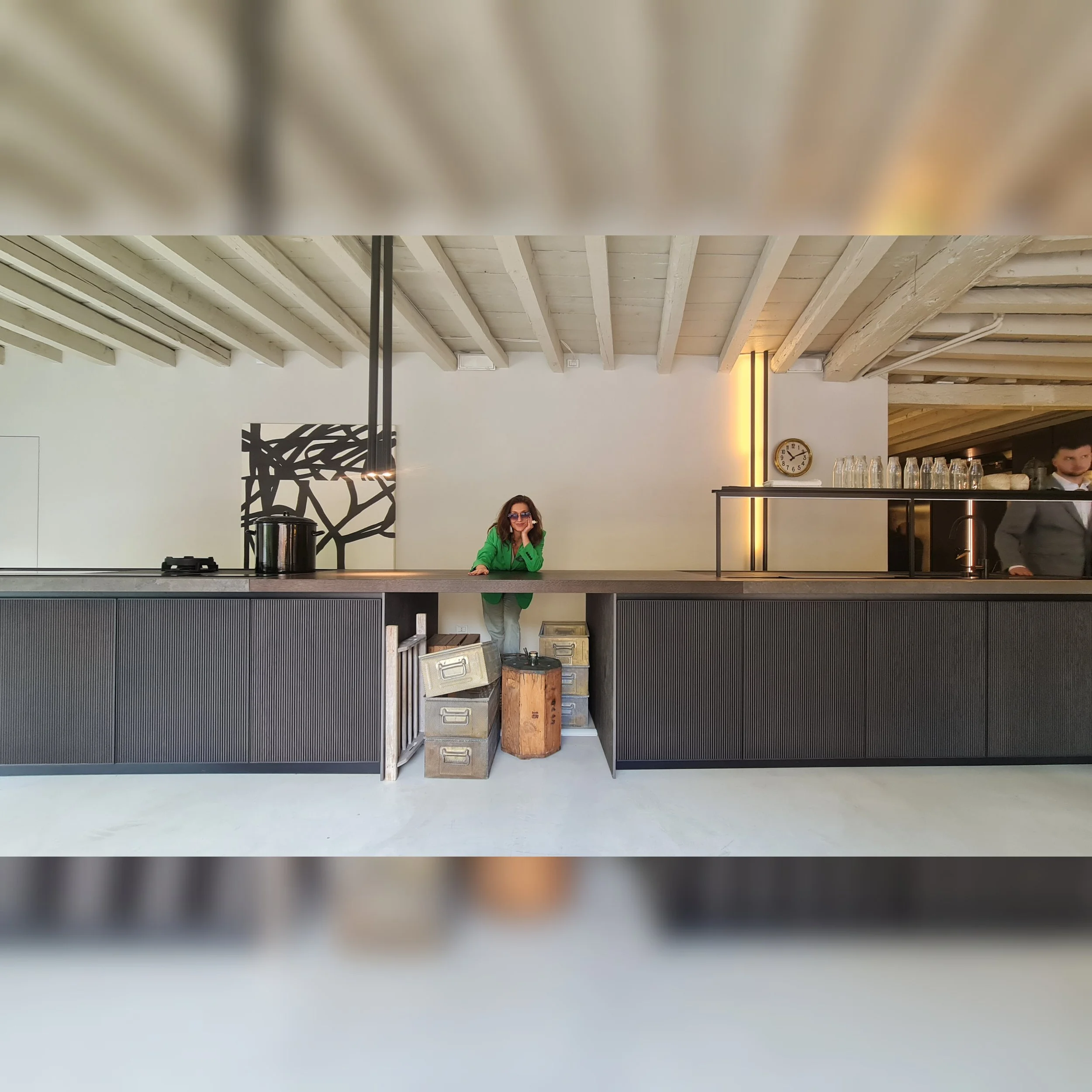
Moments of domestic familiarity appear, only to be subtly reinterpreted. A kitchen becomes an object of sculptural clarity, its monolithic surfaces set against ornamental walls that feel both historical and reimagined. In another room, seating arrangements invite pause, framed by intricate wall drawings that blur the line between illustration and architecture. These are not static interiors; they are lived scenarios, heightened just enough to provoke reflection.

Nature, too, is present—but never literal. It is filtered, abstracted, almost dreamlike. Plants emerge from textured grounds, objects echo organic forms, and colour palettes shift between earthy warmth and saturated intensity. The effect is immersive without being overwhelming—a delicate balance that is not easily achieved.

Perhaps the most compelling aspect of the presentation is its ability to engage on multiple levels. At first glance, it is visually striking, undeniably photogenic. But staying longer reveals a deeper layer: a thoughtful exploration of how we inhabit space, how atmosphere influences emotion, how design can move beyond function into experience.

Walking through the installation, there is a sense of quiet confidence. Nothing feels excessive, yet nothing is accidental. It is a reminder that the most powerful interiors are not those that seek to impress immediately, but those that reveal themselves gradually—through nuance, through detail, through time.

As the narrative unfolds within the historic rooms of Palazzo Bovara, the installation reveals itself not as a collection of individual signatures, but as a finely orchestrated whole. Conceived under the creative direction of Patricia Urquiola and enriched by a curated selection of designers, artists, and material innovators, ELLE DECOR’s “Alchemica” transcends the traditional exhibition format. It becomes an immersive editorial statement—one that explores transformation not only as a visual theme, but as a way of inhabiting space. In this context, design is no longer an object to observe, but an experience to move through, absorb, and ultimately carry forward beyond the walls of Milan.

In the context of Milan Design Week 2025, where spectacle often dominates, ELLE DECOR’s “Alchemica” offers something more enduring: an atmosphere that lingers long after you leave, carrying with it a refined, almost poetic vision of contemporary living.


Design & Lifestyle editor: ELENA L GEORGIEVA

View Event →
FUTURE LANDSCAPES, VENICE - PART OF BORDERS INTERNATIONAL ART AND ARCHITECTURE FAIR
Jul
21
to Aug 8

FUTURE LANDSCAPES, VENICE - PART OF BORDERS INTERNATIONAL ART AND ARCHITECTURE FAIR

  • Palazzo Albrizzi-Capello (map)
  • Google Calendar ICS

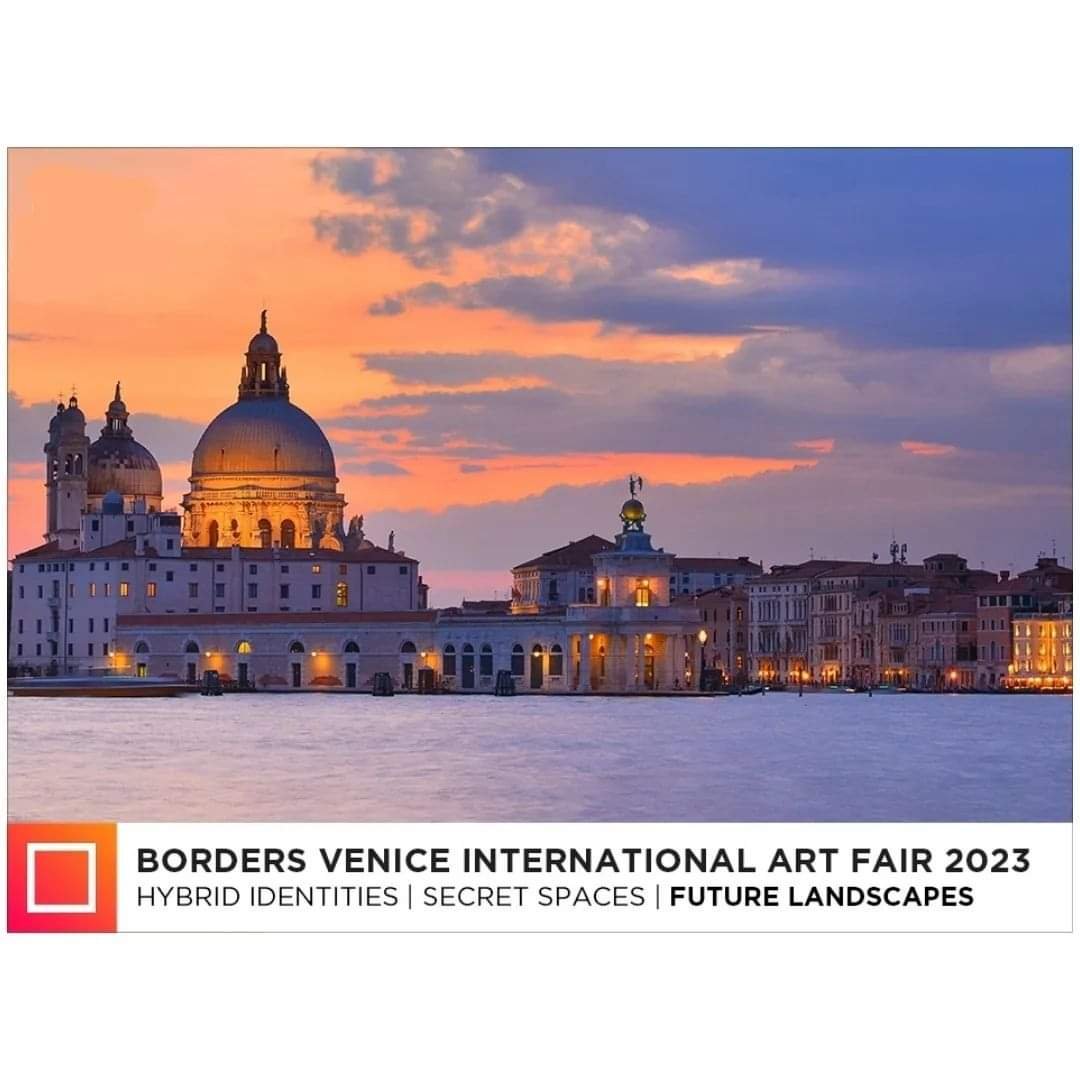
🔸Thrilled to announce my participation in FUTURE LANDSCAPES exhibition in Venice, part of BORDERS INTERNATIONAL ART AND ARCHITECTURE FAIR 2023 with my art works🔸
The exhibition is open for visitors from July 21 to August 08
.
📍 Palazzo Albrizzi-Capello, Cannaregio 4118, 30121 Venezia, Italy
.
📍10:00AM – 06:00PM | Monday – Friday

ITSLIQUID Group, in collaboration with ACIT Venice – Italian-German Cultural Association, is delighted to share the outstanding success of the opening of FUTURE LANDSCAPES, third appointment of BORDERS ART FAIR 2023, held in Venice, at Palazzo Albrizzi-Capello from July 21 to August 08, 2023.
.
Hope to see you there!

View Event →
Milan Design Week 2023 — Where Light Becomes Architecture
Apr
17
to Apr 23

Milan Design Week 2023 — Where Light Becomes Architecture

There are moments when a city stops being a backdrop and becomes a medium.

During Milan Design Week 2023, Milan transforms into a sequence of interiors without edges—where light, material, and space dissolve into one continuous experience. Moving through it feels less like visiting exhibitions and more like drifting through atmospheres, each one precisely composed, yet deeply intuitive.

Light as Spatial Language

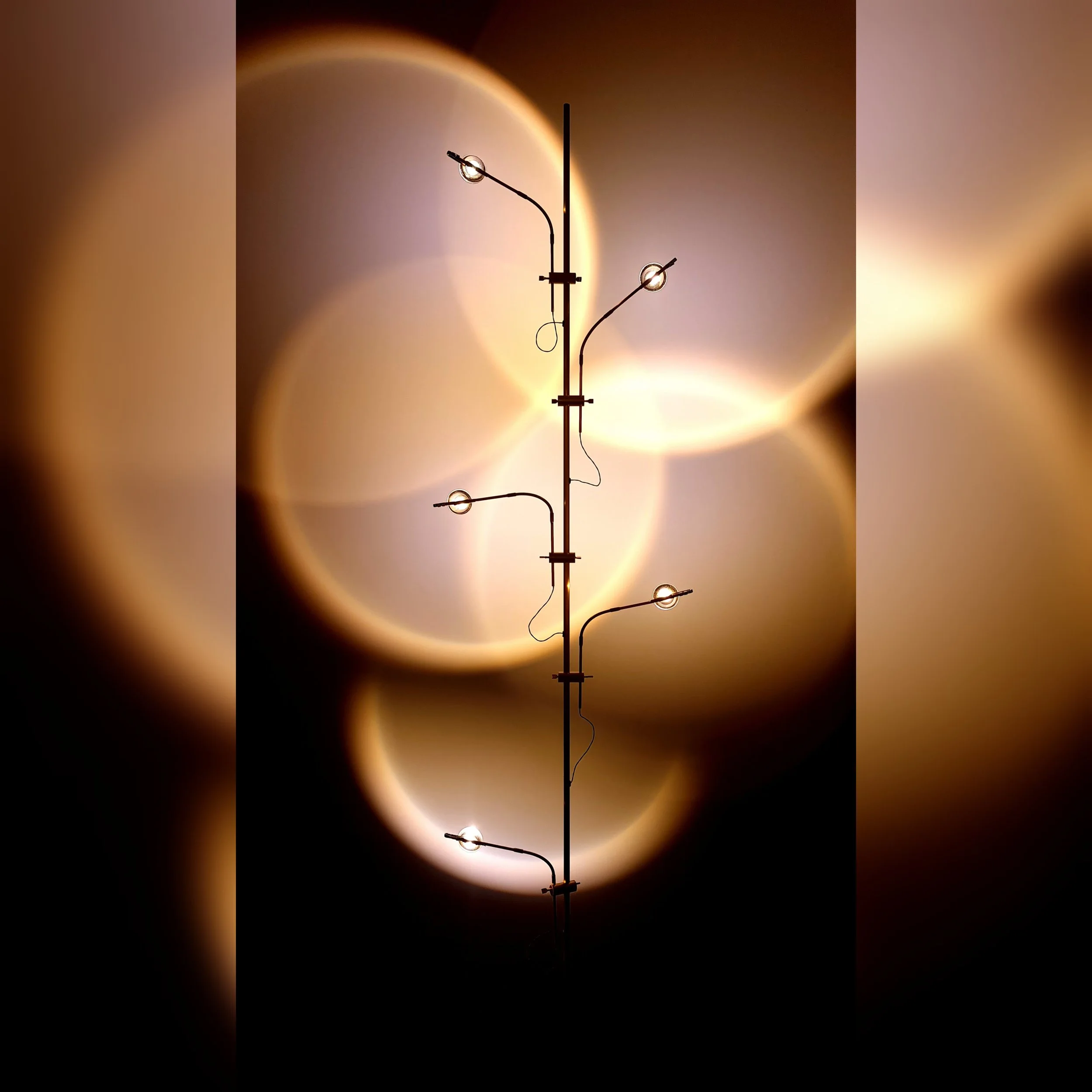
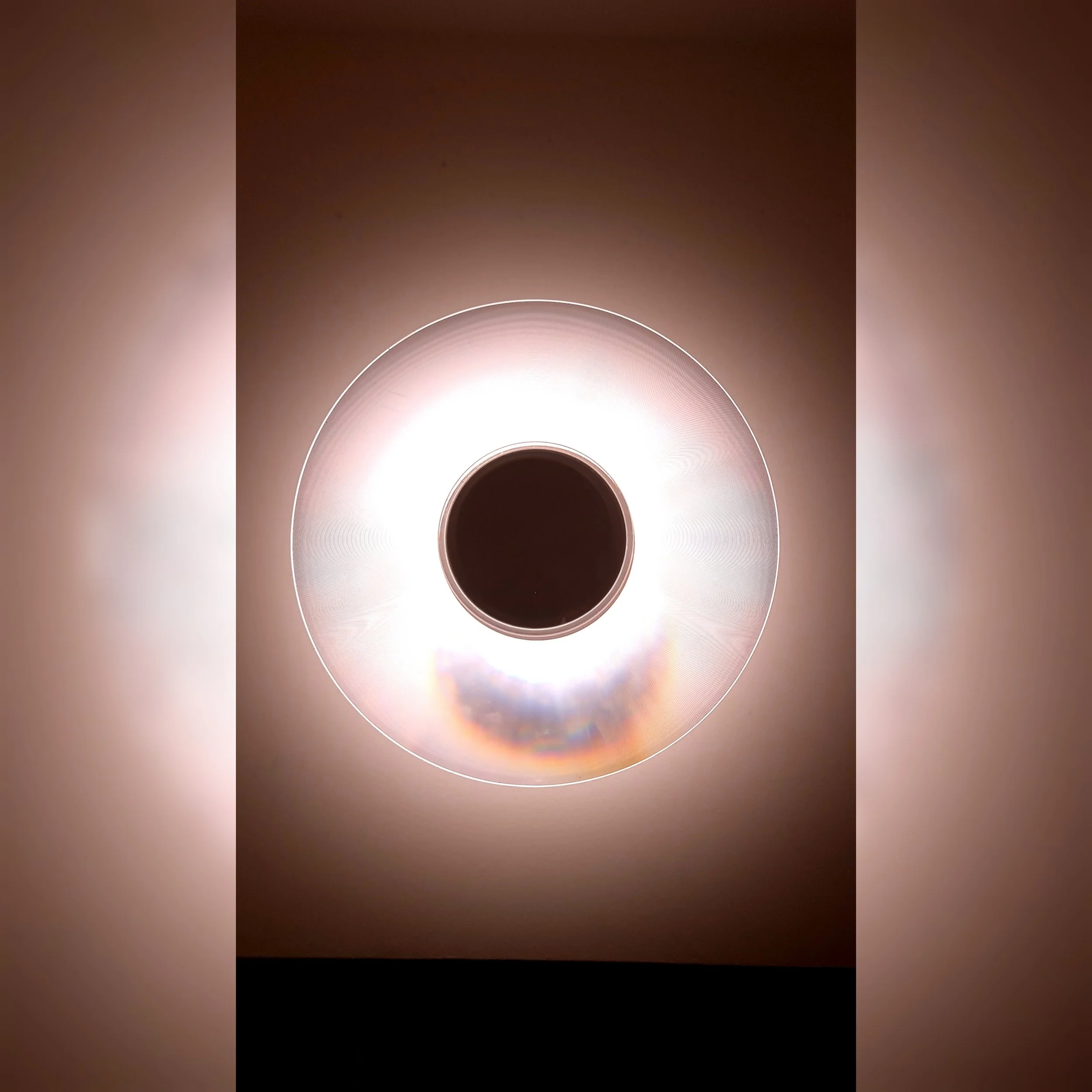
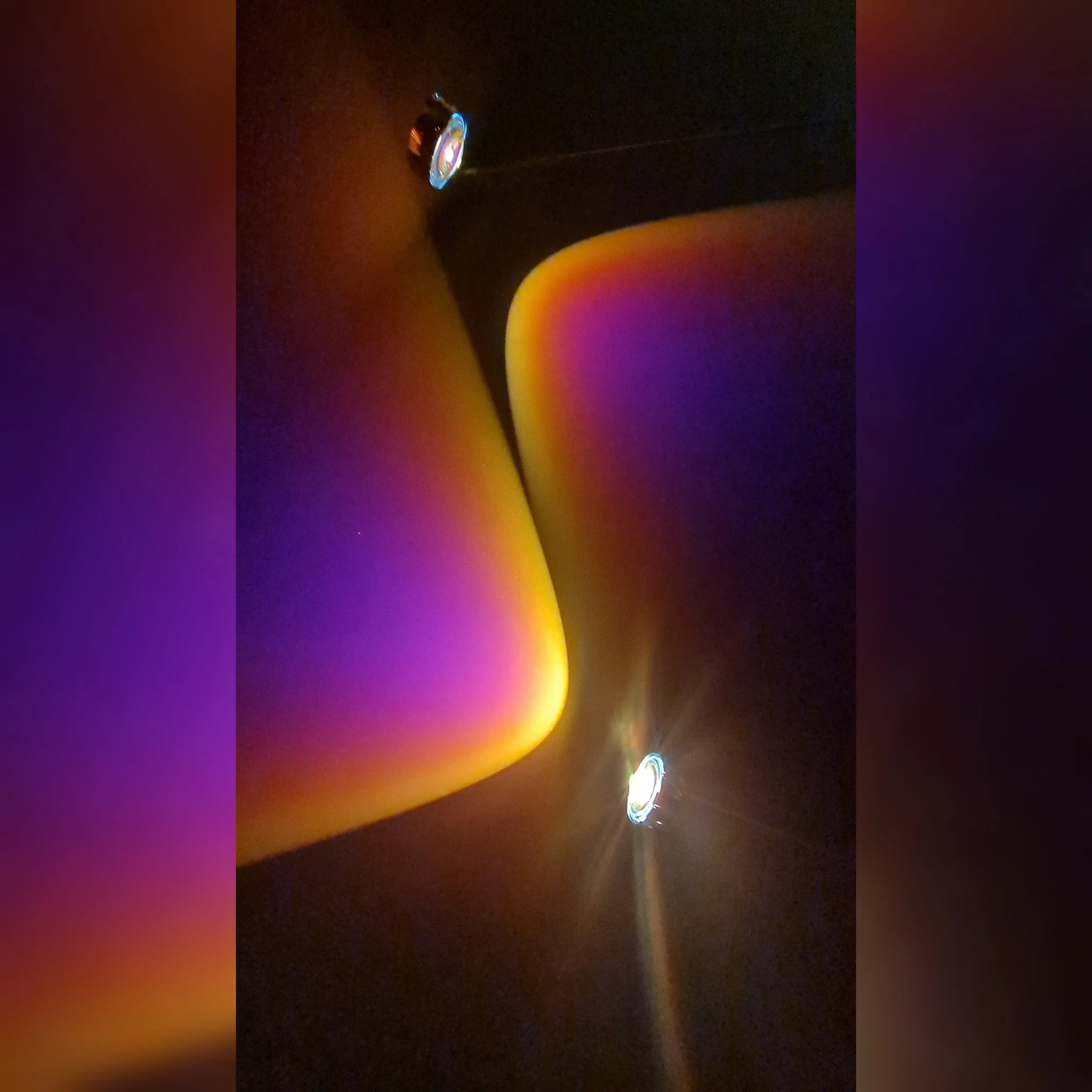
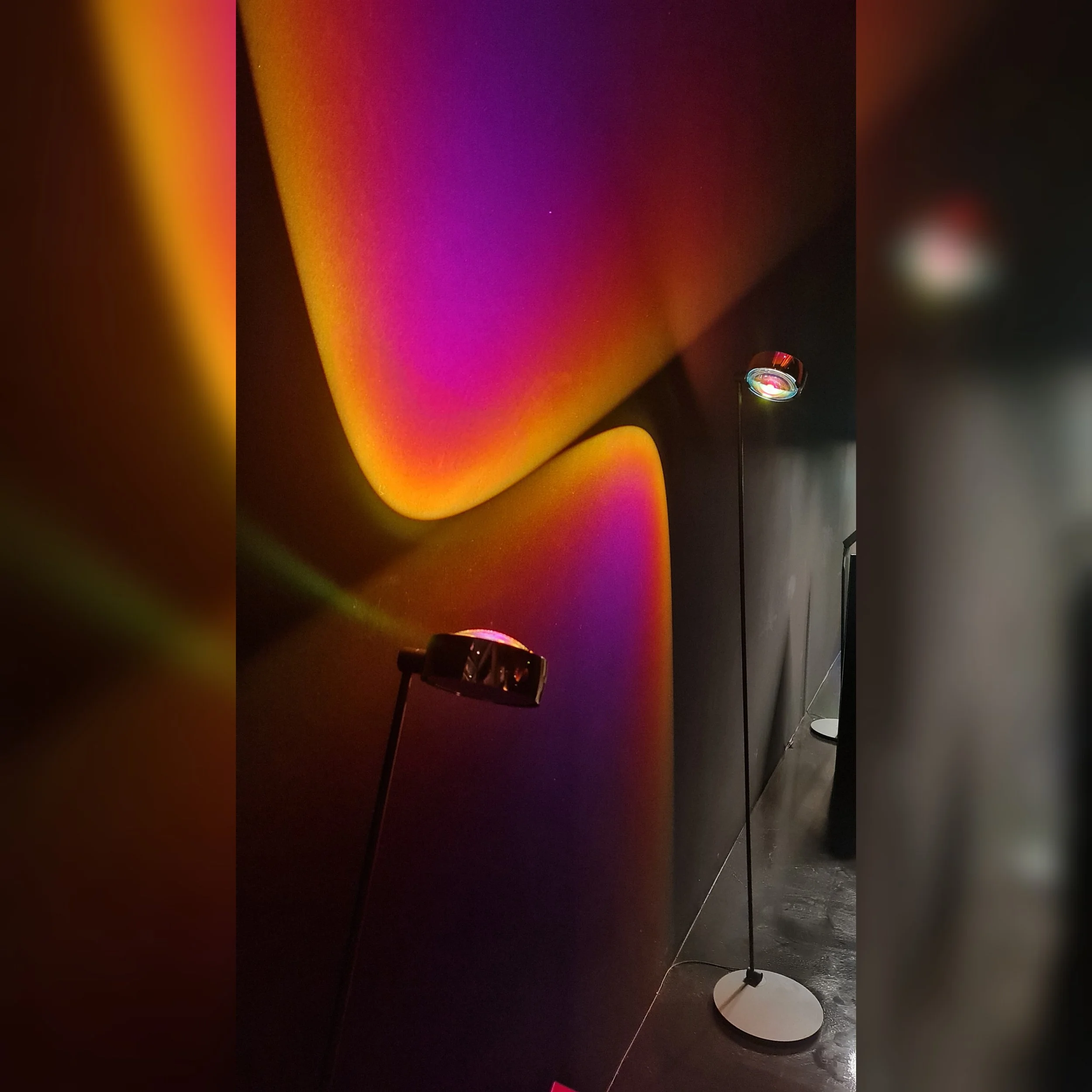
At Occhio, light extends beyond the object, forming soft halos that subtly reshape the perception of space. It does not simply illuminate—it constructs.

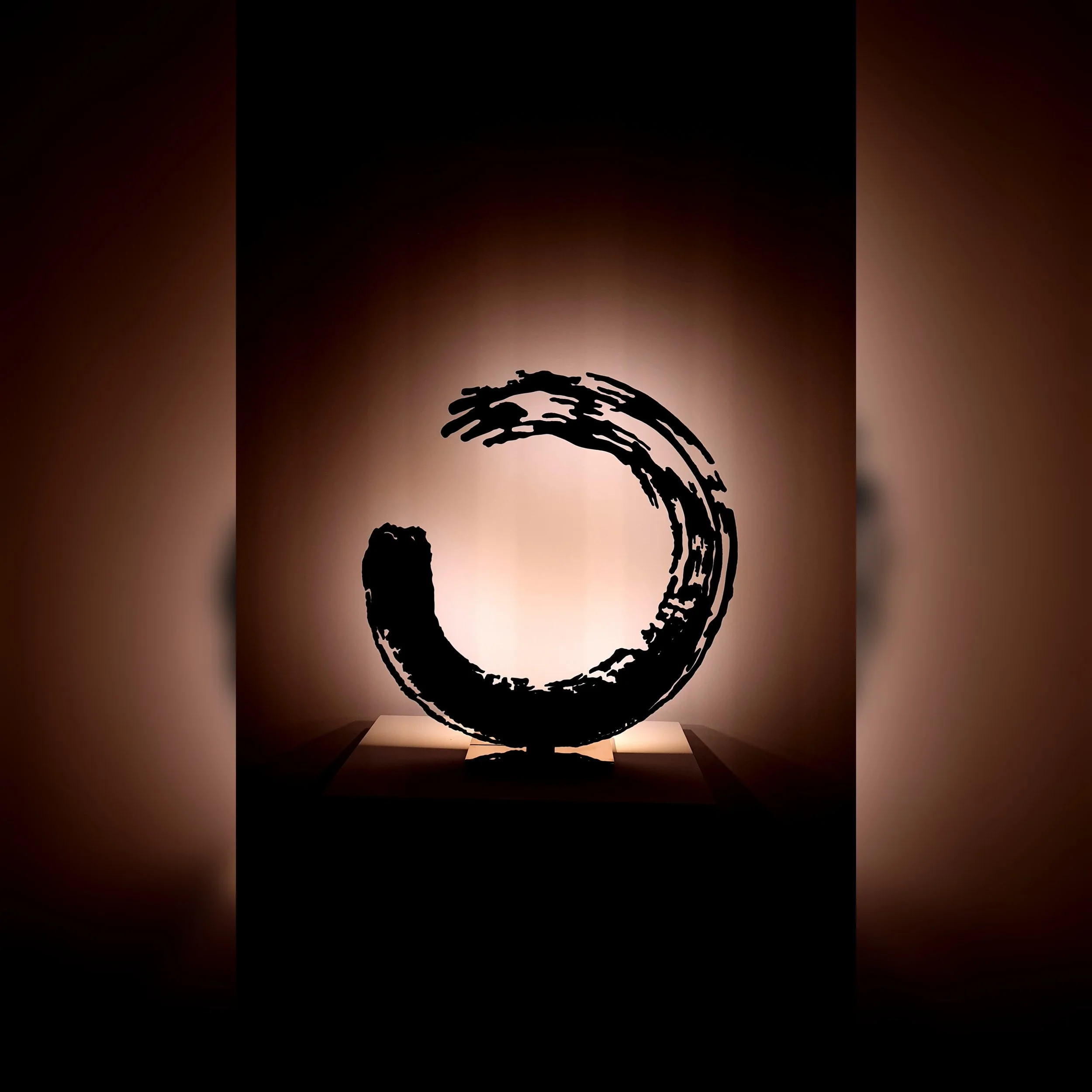
A more restrained expression appears at Vibia, where light is reduced to its most minimal gesture—thin, almost immaterial lines that quietly define the surrounding volume.

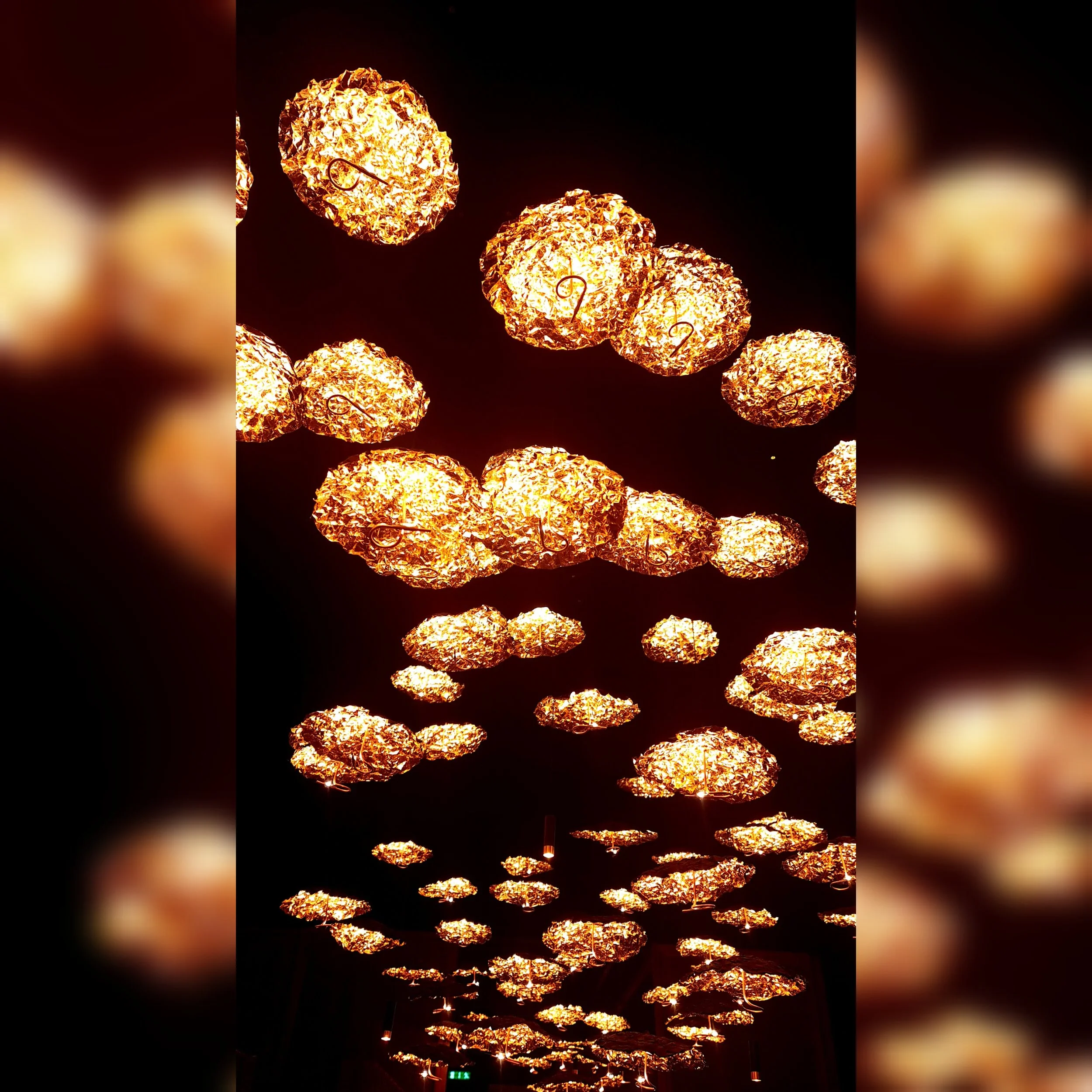
In contrast, Catellani & Smith introduces a more tactile dimension. Suspended, irregular compositions scatter warm reflections, creating luminous clusters that feel almost alive—like constellations hovering just within reach.

Material and Presence

At DeCastelli, material carries memory. Metal surfaces reveal depth, oxidation, and time, inviting a slower gaze—one that lingers just a moment longer than expected.

Across the city, sculptural interventions shift between monumentality and intimacy, dissolving the boundary between object and architecture, between structure and atmosphere.

A City of Interiors

From the historic courtyards of Università degli Studi di Milano to the curated quiet of Rossana Orlandi Gallery, Milan unfolds as a network of interconnected spaces. Each transition carries a subtle change in tempo—sometimes almost imperceptible, yet always intentional.

There is a particular clarity in the way these environments are composed—nothing excessive, nothing unresolved.

Beyond the Object

What emerges is a shift from design as object to design as condition. Light becomes spatial, materials become expressive, and the experience unfolds somewhere between observation and immersion.

Milan Design Week is not defined by what is seen, but by what remains—an atmosphere, a sensation, a quiet recalibration of how space can be felt.


Design & Lifestyle editor: ELENA L GEORGIEVA

View Event →
DIBLA DESIGN AWARDS 2022
Apr
12
to Apr 13

DIBLA DESIGN AWARDS 2022

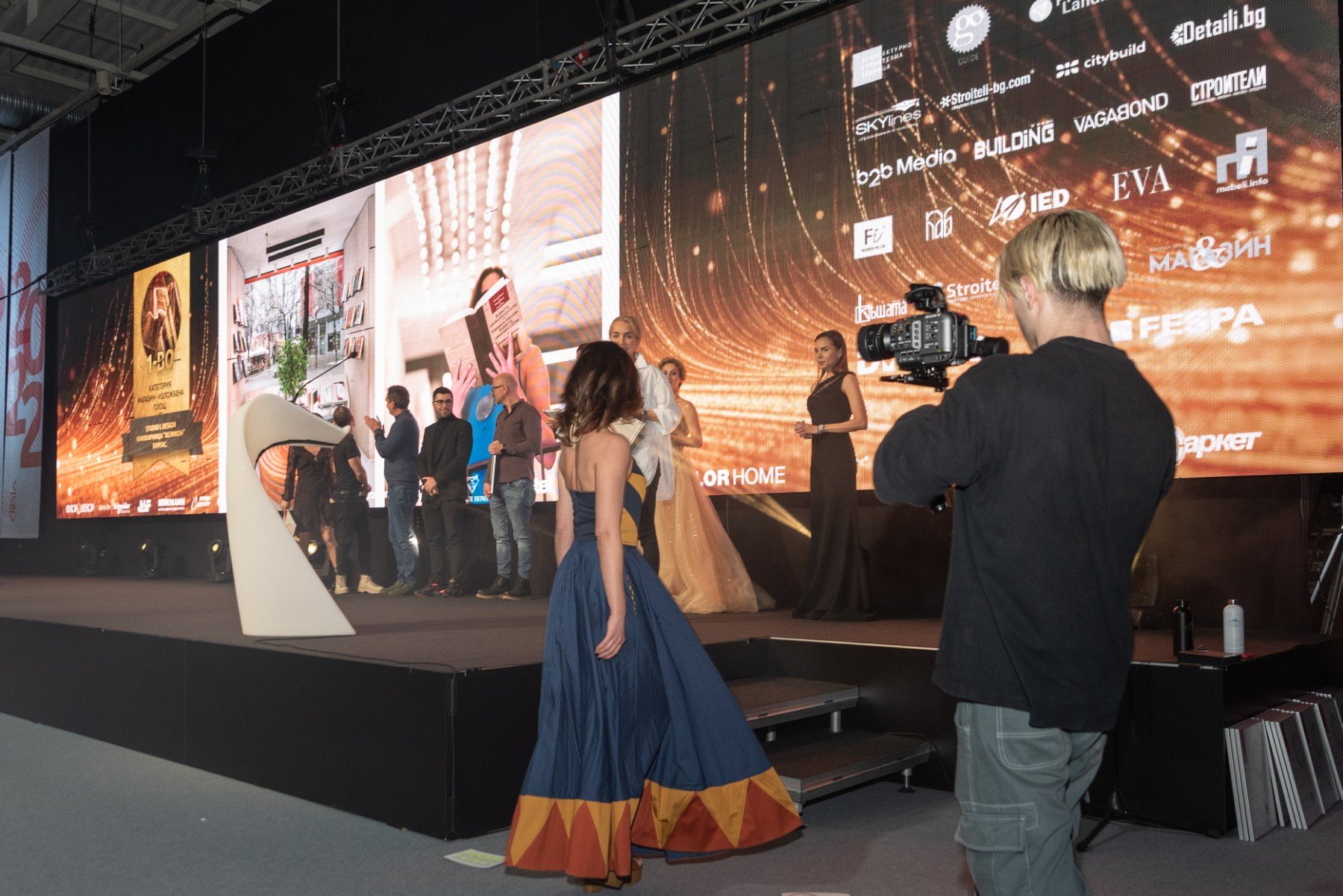
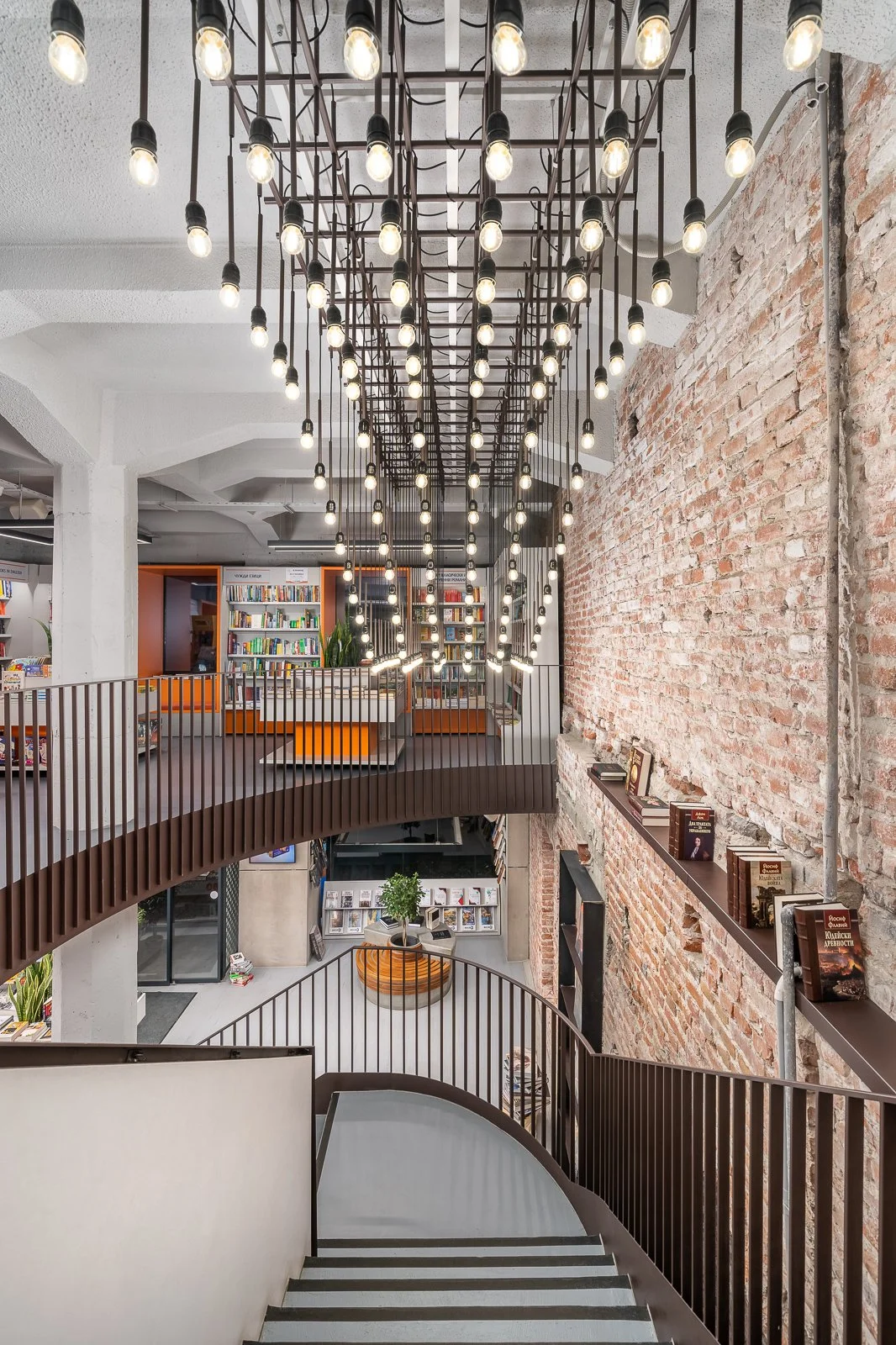
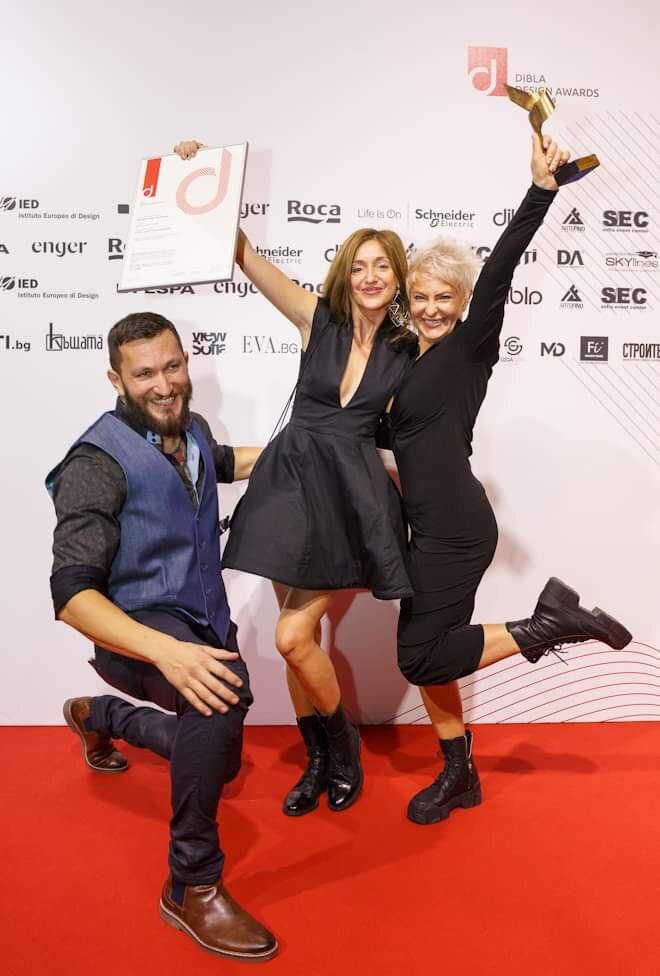
The National Interior Design Awards 2022 were announced with a glamorous ceremony. I am thrilled to announce that my project “HELIKON BOOK STORE” won First Place in category Retail Design. I am grateful for the appreciation and very proud.

Thanks to all the contractors for their hard work and professionalism, and especially to my wonderful customers for their inspiration, trust and support, the "Helikon" bookstore in Burgas won the national awards Dibla Design Awards 2022 💡

View Event →
DIBLA DESIGN AWARDS 2019
Nov
21
to Nov 22

DIBLA DESIGN AWARDS 2019

The National Interior Design Awards 2019 were announced with a glamorous ceremony at Sofia Event Center. I am thrilled to announce that my project “Infiinity House” was among the selected ones, by the prestigious international jury with members like Karim Rashid, Federico Delrosso, Attila Veress and many others! I am grateful for the appreciation and very proud to be part of the finalists.

View Event →